How far away is the looming natural catastrophe? The concentration of carbon dioxide in the atmosphere reached 427.35 parts per million (ppm) in 2025. Scientists had already considered crossing the 400 ppm threshold to be extremely alarming, and that limit was exceeded as early as 2015. It should also be noted that, besides carbon dioxide, there are other greenhouse gases. Altogether, carbon dioxide accounts for about 80 percent of the total greenhouse gases in the atmosphere. Therefore, the actual situation is even more alarming. The Earth is becoming progressively warmer, and as a result, human civilization and the planet’s biodiversity are already facing an existential crisis.
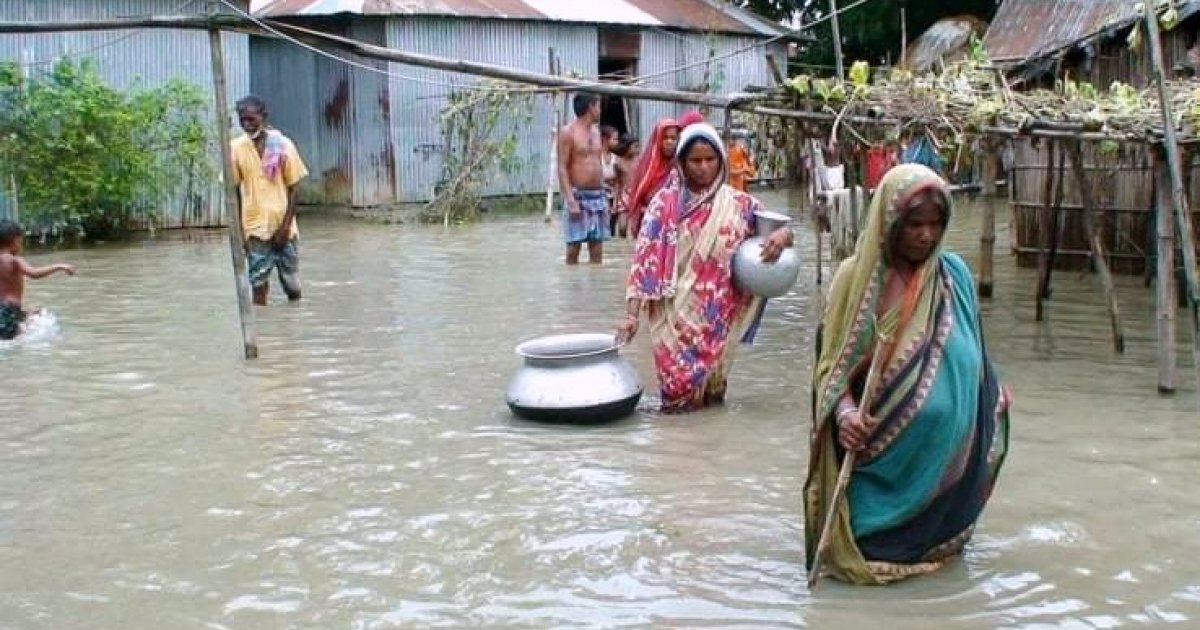
Moreover, global greenhouse gas emissions continue to rise, along with global temperatures. In other words, climate change is advancing rapidly along a worsening trajectory. Its impacts are now intensifying across the world. Irregular rainfall, floods, cyclones, droughts, storm surges, river erosion, and internal displacement of people are increasing globally. However, climate-vulnerable countries such as Bangladesh are being affected disproportionately and are suffering extensive losses and damages.
Meanwhile, the United States has not only withdrawn from the Paris Agreement, but the government and its followers generally continue to deny the reality of climate change and encourage the use of fossil fuels. The 30th COP (COP30) in 2025 also failed to present any hopeful commitment regarding the rapid and drastic reduction of greenhouse gas emissions necessary to keep the planet habitable in the future.
Adaptation, assessment, and mitigation of loss and damage, climate finance, capacity building, and technology transfer are, of course, extremely important. However, the need for these measures has arisen because of climate change, and the root cause of climate change is the continuous warming of the Earth, driven primarily by increasing greenhouse gas emissions. Therefore, the highest priority must be placed on rapidly reducing global greenhouse gas emissions. At the same time, due importance must also be given to other related issues. But unless strong measures are taken against the root cause in accordance with scientific imperatives—that is, unless emissions are reduced rapidly and at the necessary scale—the situation may reach a point where adaptation and other measures become exceedingly difficult, even impossible in specific cases, to implement effectively.
If the current trajectory of climate change continues, Bangladesh will become extremely vulnerable. Our task must be to make planned and effective use of the resources and capacities available to us, and, together with like-minded countries, exert pressure on the global community so that effective initiatives are undertaken to reduce greenhouse gas emissions rapidly in line with scientific requirements.
Qazi Kholiquzzaman Ahmad, Economist and Expert on Environment and Climate Change
Download Article As PDF/userfiles/EP_24_01_Article_QKA.pdf