Governments from dozens of countries have pledged to make energy efficiency a cornerstone of national energy policy as growing geopolitical tensions and disruptions linked to the Strait of Hormuz crisis underscore the need for greater energy security and resilience.
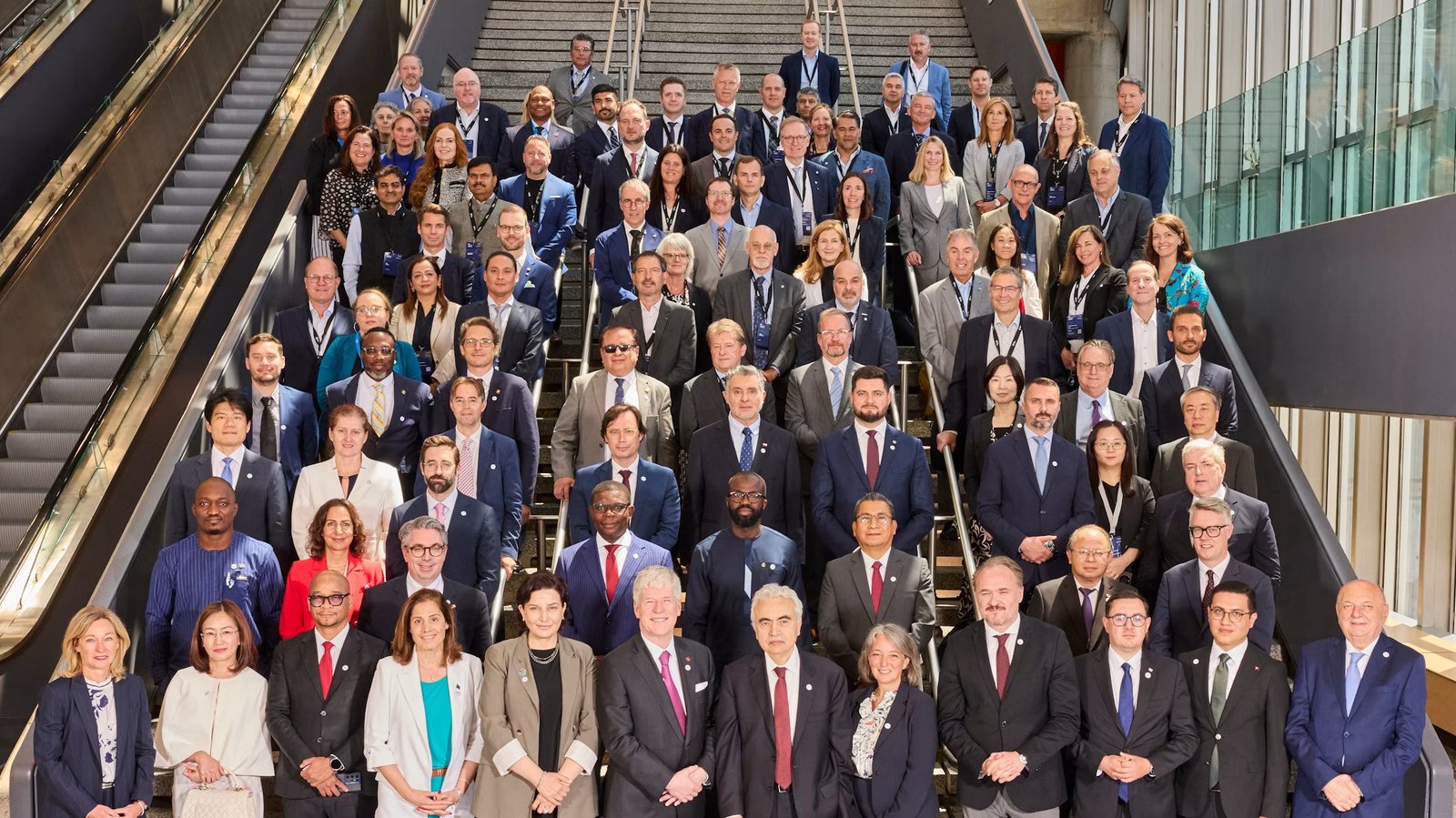
The commitment was announced in a joint statement at the 11th IEA Global Conference on Energy Efficiency, co-hosted by the Government of Canada in Montreal. Ministers and senior officials agreed that improving energy efficiency is one of the fastest and most cost-effective ways to reduce energy costs, strengthen energy security, and protect households and businesses from volatile global energy markets.
The declaration calls for stronger policies to improve energy efficiency in buildings, industries and data centers, expand support for vulnerable households and small businesses, and remove barriers to investment in energy-saving technologies.
International Energy Agency (IEA) Executive Director Fatih Birol said successive energy crises have demonstrated that energy efficiency remains “one of the most powerful tools” available to governments for lowering energy costs, enhancing competitiveness, and strengthening energy security.
The conference also saw the COP31 Presidency commission the IEA to prepare a special report supporting the development of global energy efficiency targets for buildings ahead of the COP31 climate summit in Türkiye later this year.
Participants reaffirmed their commitment to doubling the global rate of energy efficiency improvements by 2030, building on agreements reached at COP28 and previous IEA conferences. The initiative aims to accelerate international cooperation, reduce greenhouse gas emissions, and build more resilient and sustainable energy systems in the face of future energy shocks.