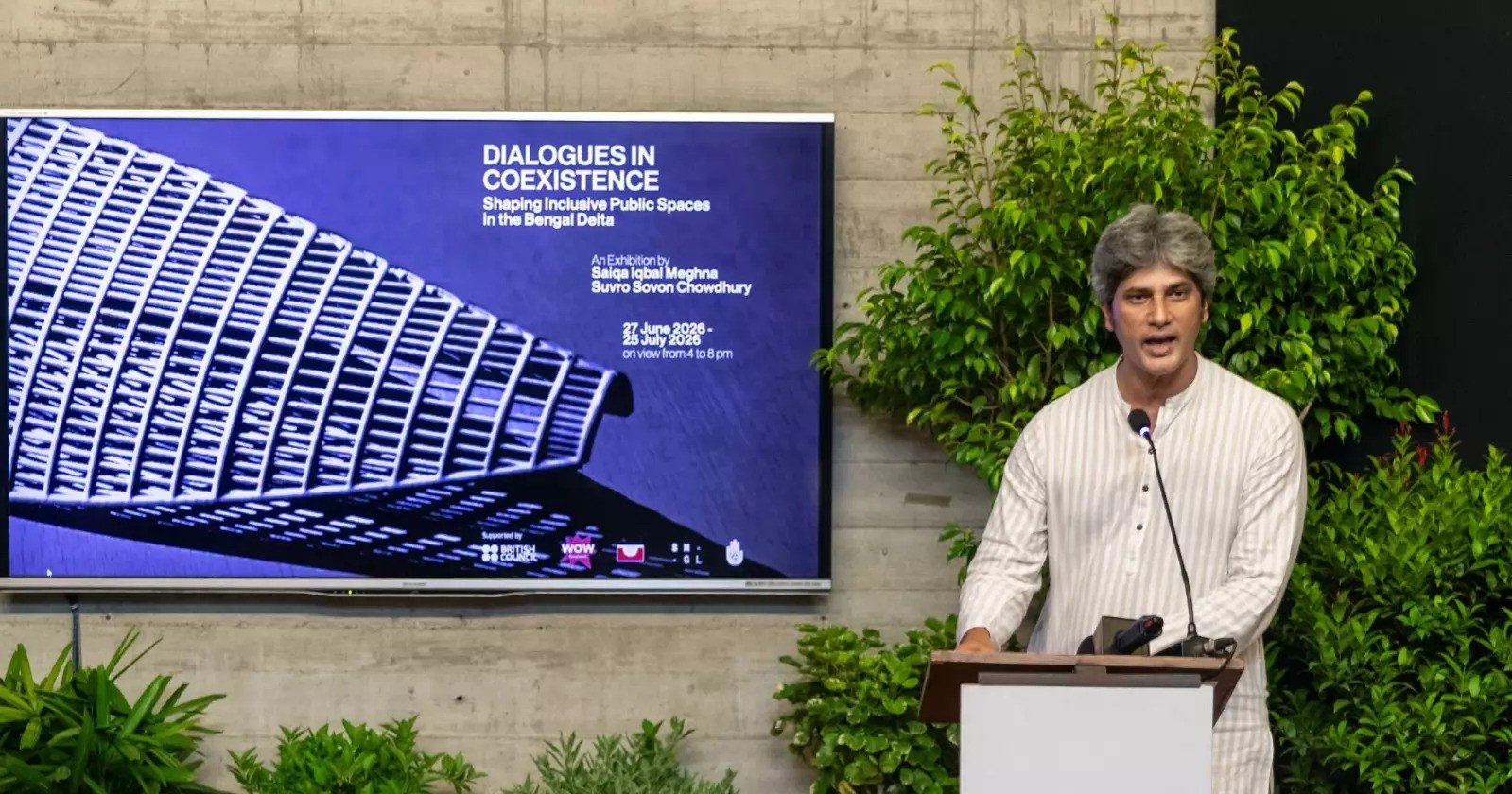
DHAKA, June 28, 2026 - The government is moving towards a new urban planning policy that will ensure Bangladesh’s cities are designed to coexist with rain, water and the realities of climate change, State Minister for Planning Zonayed Abdur Rahim Saki has said. Report UNB
Speaking at the inauguration of the exhibition “Dialogues in Coexistence: Shaping Inclusive Public Spaces in the Bengal Delta” at Bengal Shilpalay in Dhaka on Sunday, Saki said future urban development would focus on making public spaces, architecture and city planning more responsive to Bangladesh’s geographical and environmental conditions.
“Cities must be designed to coexist with rain, water and climate realities, instead of treating them as disruptions,” he said.
The minister said the government is giving priority to preparing comprehensive master plans for Dhaka and all divisional cities, with similar planning initiatives to be gradually extended to district and upazila towns.
He stressed that future public infrastructure projects must ensure accessibility, inclusiveness and equal opportunities for all citizens, including persons with disabilities.
The exhibition, which will remain open to visitors from 10:00am to 8:00pm daily until July 25, explores how feminist ethics, climate-responsive design and public participation can help shape more inclusive civic spaces across the Bengal Delta.
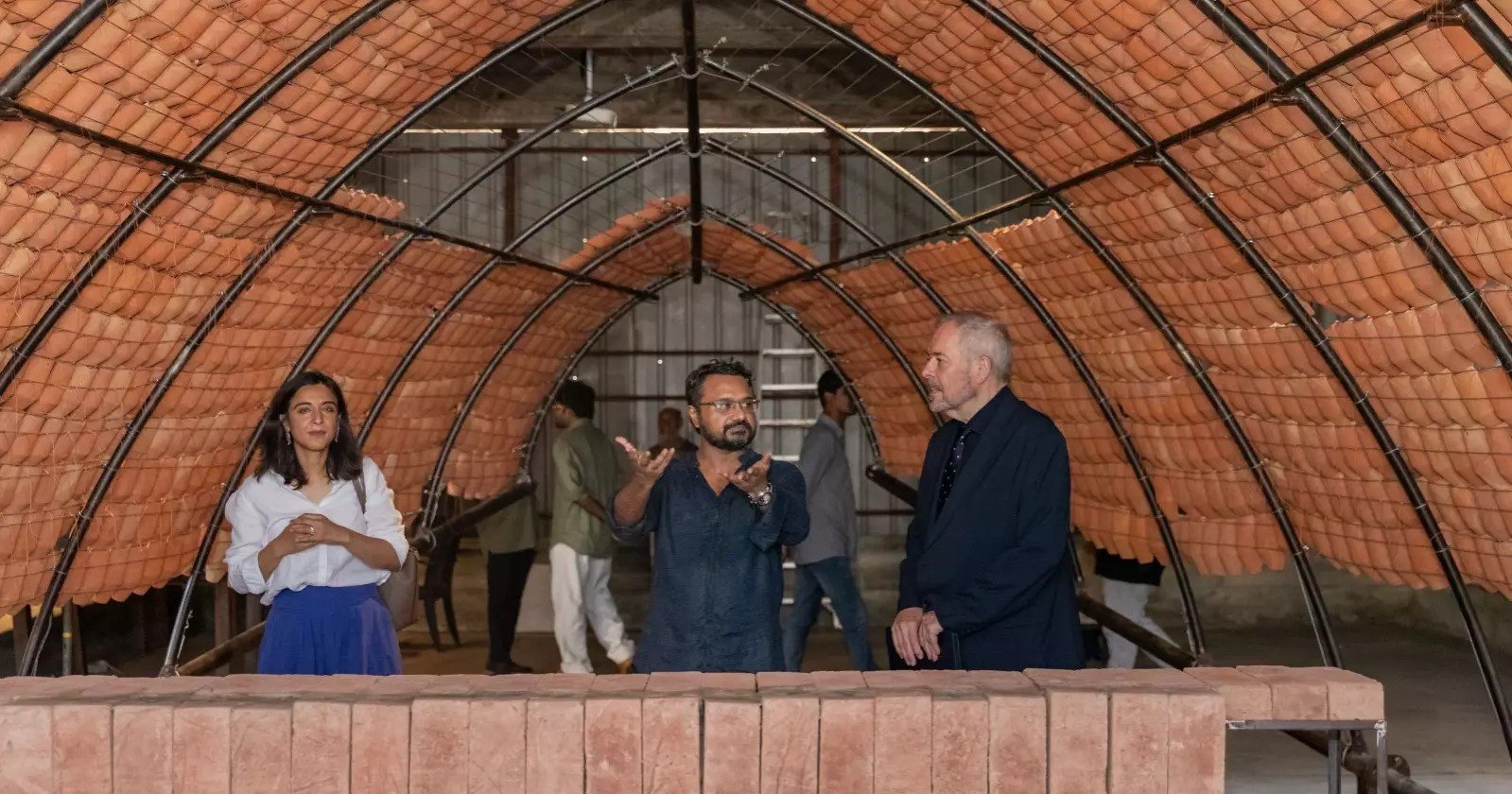
Featuring interdisciplinary installations, the exhibition highlights the use of local materials, traditional craftsmanship and environmentally sensitive design while reimagining the relationship between people, public spaces and nature.
The project is supported by the British Council’s Women of the World (WOW) Bangladesh Grants Programme and is led by architects Saiqa Iqbal Meghna and Suvro Sovon Chowdhury. It has been developed with curatorial support from Luva Nahid Choudhury, Director-General of the Bengal Foundation, and artist Wakilur Rahman, founder of Kala Kendra.
Acting British High Commissioner and Development Director to Bangladesh James Goldman described the exhibition as an inspiring initiative that combines art, architecture and innovation to promote inclusive and climate-resilient public spaces.
“The British Council’s Women of the World (WOW) programme supports this vision, aligning with the UK’s broader commitment to climate-responsive, inclusive and sustainable development in Bangladesh,” he said.
British Council Bangladesh Country Director Stephen Forbes said the project reflects the organisation’s commitment to linking the creative economy with social inclusion, youth engagement and sustainable development.
“We see enormous potential in Bangladesh’s creative economy, particularly in design, architecture and culture. This exhibition demonstrates how arts and architecture can inspire new thinking about shared public spaces and more inclusive communities,” he said.
Architect and educator Professor Kazi Khaleed Ashraf also addressed the event, describing the installation as an evolving structure shaped through collaboration, craftsmanship and material exploration.
“It creates a dialogue between the monsoon, the delta and public space, fostering new relationships between people, architecture and the landscape,” he said.
The initiative forms part of the British Council’s broader efforts to promote gender equality, climate action and women-led creative practices while supporting the growth of Bangladesh’s creative economy.