DHAKA, July 8, 2026 (PR) – Environmental think tank Change Initiative has called on the government to substantially revise the draft National Renewable Energy Strategic Plan (RESP) 2026–2030, urging policymakers to adopt energy sovereignty as the guiding principle of Bangladesh’s renewable energy transition instead of focusing solely on energy security.
In a review of the draft strategy, the organization described the plan as a timely and important initiative but said it remains largely aspirational and fails to address several critical issues, including capacity planning, financing, fossil fuel displacement, community participation, environmental safeguards and accountability.
According to Change Initiative, while the draft rightly emphasizes reducing Bangladesh’s dependence on imported liquefied natural gas (LNG), coal and oil, and recognizes the need to modernize the national grid and expand renewable energy, it falls short in outlining a realistic roadmap to achieve its targets.
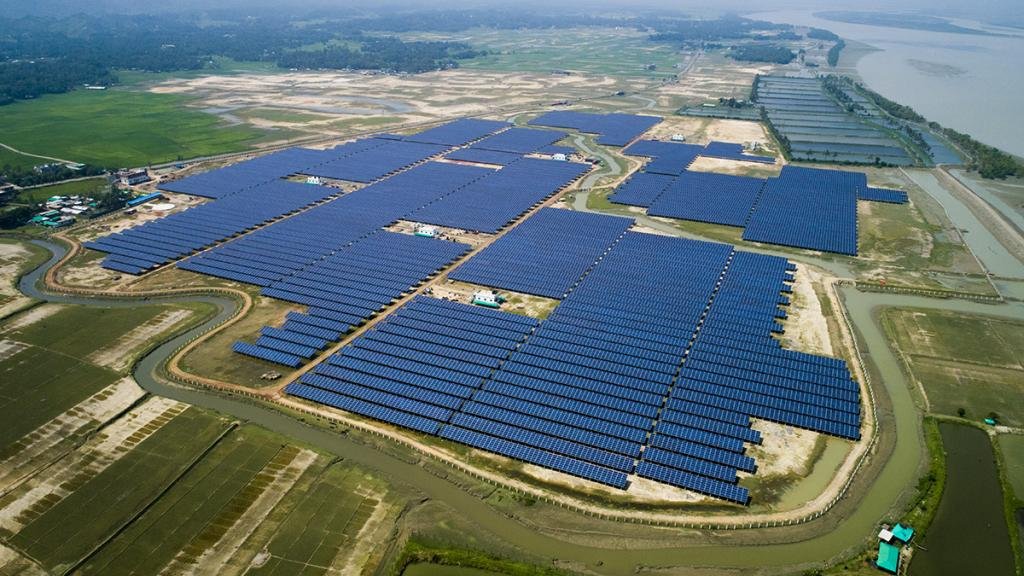
The organization questioned the draft’s goal of generating 20 percent of the country’s electricity from renewable sources by 2030, arguing that the proposed capacity pathway is mathematically inconsistent. It noted that producing the projected 27,000 GWh of renewable electricity would require approximately 14,000–15,400 MW of installed renewable capacity, based on the plan’s assumed capacity factor of 20–22 percent. However, the draft proposes only about 10,450 MW of new renewable capacity by 2030.
Change Initiative also expressed concern that the strategy does not adequately address Bangladesh’s existing power-sector overcapacity. While acknowledging that the country has around 29,000 MW of installed generation capacity against a peak demand of just over 18,000 MW, the draft does not explain how additional renewable energy projects would reduce costly capacity payments, dependence on LNG and furnace oil, or the long-term risk of locking in fossil-fuel generation.
To address these issues, the organization recommended introducing a Renewable Energy Integration and Fossil Displacement Framework to ensure that renewable energy replaces expensive fossil-fuel generation rather than adding to overall generation costs.
The review further argued that the draft’s commitment to inclusive electricity access lacks concrete mechanisms for households, farmers, cooperatives, small and medium-sized enterprises (SMEs), local renewable energy service companies (RESCOs), mini-grid operators and community-owned renewable energy projects.
To promote wider participation, Change Initiative proposed establishing a Small Producer and Community Renewable Energy Window, offering tax incentives, concessional financing, simplified licensing procedures, support for local RESCOs, community mini-grid regulations and guaranteed purchase of surplus electricity.
Commenting on the proposal, M. Zakir Hossain Khan, Co-Founder and Chief Executive of Change Initiative, said Bangladesh’s renewable energy transition should not be measured solely by installed generation capacity.
He said the country’s success should instead be assessed by whether renewable energy provides affordable access for all citizens, reduces fiscal pressure, creates domestic economic value and enables households, farmers and communities to become both producers and consumers of clean electricity through grid-connected and off-grid systems.
The organization also criticized the draft for giving insufficient attention to nature-based solar technologies. While rooftop and utility-scale solar projects receive significant emphasis, the strategy lacks dedicated targets for solar-powered irrigation, floating solar systems, canal-top solar, agrivoltaics, solar cold storage, solar-powered electric vehicle charging and community solar projects.
Given Bangladesh’s limited land resources and extensive waterways, the review described this as a missed opportunity.
Among its recommendations, Change Initiative proposed introducing a Farmer Solar Irrigation Transition Package featuring capital support, concessional finance, cooperative ownership models, pump insurance, operation and maintenance assistance, surplus electricity buyback arrangements and groundwater protection measures.
The organization also recommended integrating floating solar development with canal restoration programs. It estimated that if floating or canal-top solar systems were installed along half of a restored 20,000-kilometre canal network, Bangladesh could generate between 3 GW and 5 GW of solar capacity, producing approximately 4,700 to 7,900 GWh of electricity annually.
On financing, the review argued that the proposed Renewable Energy Development Fund should be restructured with dedicated financing windows for utility-scale projects, rooftop solar, SMEs, industrial clusters, farmers, solar irrigation, mini-grids, canal solar and community-owned renewable energy projects.
The organization also highlighted the need for a robust carbon market governance framework. It estimated that a 10,000 MW renewable energy program could avoid between 10.9 million and 12 million tonnes of carbon dioxide emissions annually, potentially generating carbon credit revenues of between US$109 million and US$179 million each year, depending on carbon prices.
To maximize these benefits, Change Initiative proposed establishing a national one-stop carbon market platform featuring a public registry, monitoring and verification system, anti-monopoly safeguards, transparent buyer-seller disclosures and mandatory benefit-sharing arrangements for farmers, communities and small renewable energy producers.
The organization concluded that Bangladesh requires not only additional renewable energy capacity but also a comprehensive transition strategy that reduces dependence on fossil fuels, lowers public expenditure, protects land and water resources, empowers local communities and farmers, and strengthens national energy sovereignty.
Among its key recommendations are incorporating energy sovereignty as a core objective of the renewable energy strategy, revising renewable capacity targets, establishing a renewable energy integration framework, expanding support for small producers and community projects, introducing dedicated targets for solar irrigation and floating solar, strengthening environmental and livelihood safeguards, redesigning the Renewable Energy Development Fund, creating a transparent national carbon market platform, setting measurable just transition targets, and publishing a public implementation dashboard tracking project progress, financing, grid integration and responsible agencies.