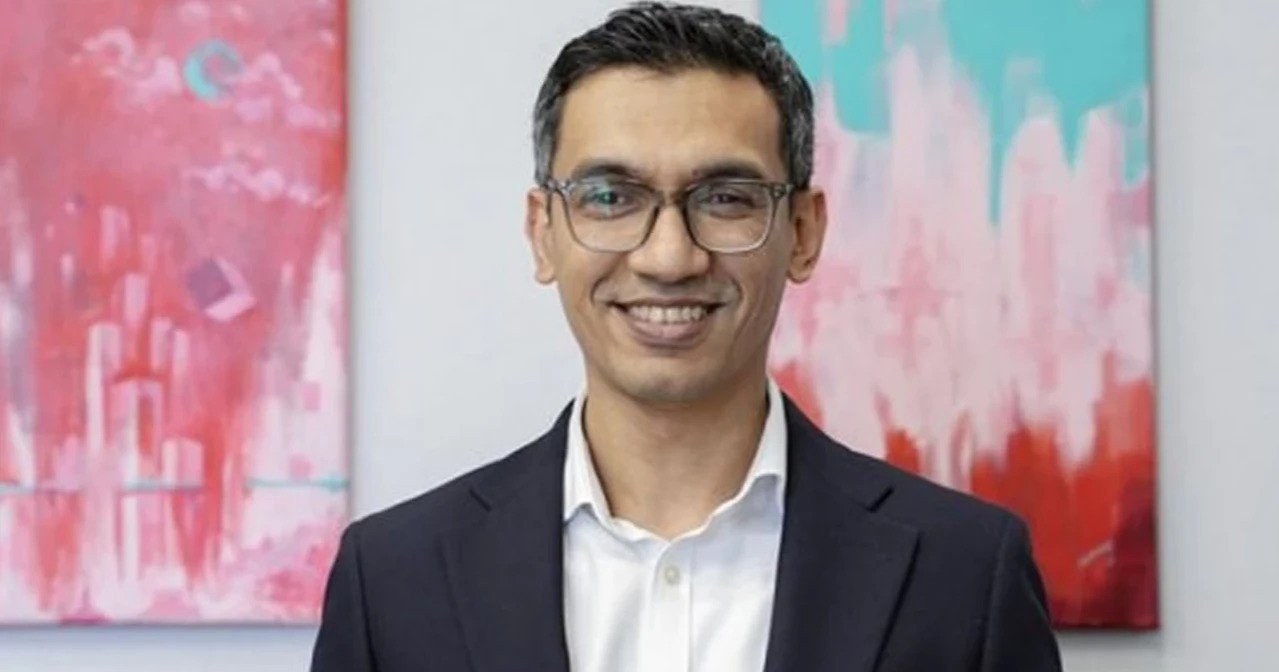
Bangladesh Investment Development Authority Executive Chairman Chowdhury Ashik Mahmud Bin Harun has said Bangladesh’s ongoing energy crisis remains the biggest barrier to attracting both local and foreign investment.
Speaking at a roundtable discussion in Dhaka on Monday, Ashik warned that investors would remain hesitant unless the country ensures a reliable supply of electricity and gas.
“Until we solve the energy problem, it will be very difficult for local and foreign investors to believe in the Bangladesh growth story,” he said.
The discussion, titled Trade Policy, Industrial Protection, Investment Impacts, and Consumer Welfare, was organized by the Policy Research Institute with support from the Foreign, Commonwealth and Development Office at PRI’s Banani office.
Ashik said Bangladesh’s main challenge is not the lack of policy but weak implementation. He pointed to persistent delays in clearing raw materials at Chattogram Port despite existing policies aimed at resolving such problems.
He also said the government is now focusing more on sustainable, employment-based growth rather than only headline economic figures. According to him, BIDA is working to simplify and merge investment promotion agencies to reduce obstacles for businesses.
The BIDA chairman revealed that investment agencies have submitted 46 recommendations to the National Board of Revenue, including 19 proposals related to deregulation. One major proposal involves introducing a structured VAT system to encourage local value addition and reduce policy uncertainty.
Ashik rejected claims that BIDA gives preference to foreign investors, saying the agency represents both domestic and international businesses equally. He noted that while foreign investment brings technology and efficiency, domestic investment remains the foundation of Bangladesh’s economy.
In the keynote speech, PRI Chairman Dr Zaidi Sattar criticized Bangladesh’s long-standing trade protection policies, arguing that high tariffs have increased costs for consumers and discouraged exports.
He said Bangladesh’s average tariff rate stands at 28%, far above the global average of 6%, creating a strong bias toward domestic sales instead of exports.
Other speakers included Consumer Association of Bangladesh President AHM Shafiquzzaman, former NBR member Md Farid Uddin, Dhaka Chamber of Commerce and Industry President Taskeen Ahmed, and Policy Exchange Bangladesh Chairman and CEO M Masrur Reaz.