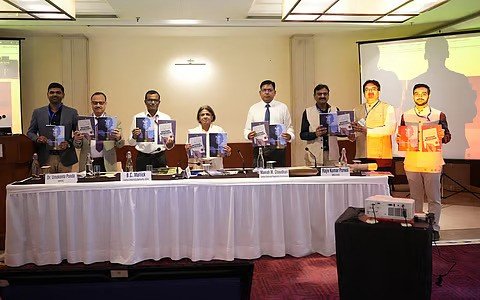
New Delhi, August 22, 2026: India needs to better integrate its rapidly expanding renewable energy sector with its coal-based power fleet to achieve a smooth and cost-effective energy transition, according to a new study by the Centre for Science and Environment (CSE).
The study, Flex to Fix: Deciphering India’s Coal Flexibilization Challenge for RE Integration, finds that making coal-fired power plants more flexible could create an additional 18–34 GW of space for renewable energy on the grid and reduce power-sector emissions by an estimated 7.66–8.37%, equivalent to around 92–101 million tonnes of CO? annually.
CSE Director General Sunita Narain said India’s challenge is not simply to choose between coal and renewables, but to integrate the two while gradually reducing coal dependence. Greater flexibility in the existing coal fleet could help balance fluctuations in solar and wind generation and improve grid stability.
India reached 50% non-fossil-based installed power capacity in 2025, five years ahead of its original 2030 target. However, rapid growth in renewable capacity, particularly solar, has increased variability in power generation and created operational challenges for conventional plants.
According to CSE, India’s solar capacity has increased 3.5-fold over the past six years to more than 160 GW. The study notes that coal plants capable of ramping generation up and down more quickly could absorb renewable generation when supply is high and provide power when solar and wind output falls.
CSE said coal flexibilization would require upgrades to plant equipment and control systems, improved maintenance and fuel management, and training for operators. The estimated tariff impact is between Rs 0.272 and Rs 0.457 per kWh, depending on the age, technology and condition of the plant.
The study also points to China’s experience, where strong financial incentives and regulatory compliance have enabled the country to make almost twice the size of India’s operating coal fleet more flexible.
CSE recommends conducting baseline assessments of coal units, providing adequate tariff compensation and incentives for flexible operation, and aligning central and state-level regulations.
The organization said coal flexibilization could serve as a transition bridge between India’s coal-dependent electricity system and a future dominated by renewable energy, while reducing the need for costly additional battery storage.