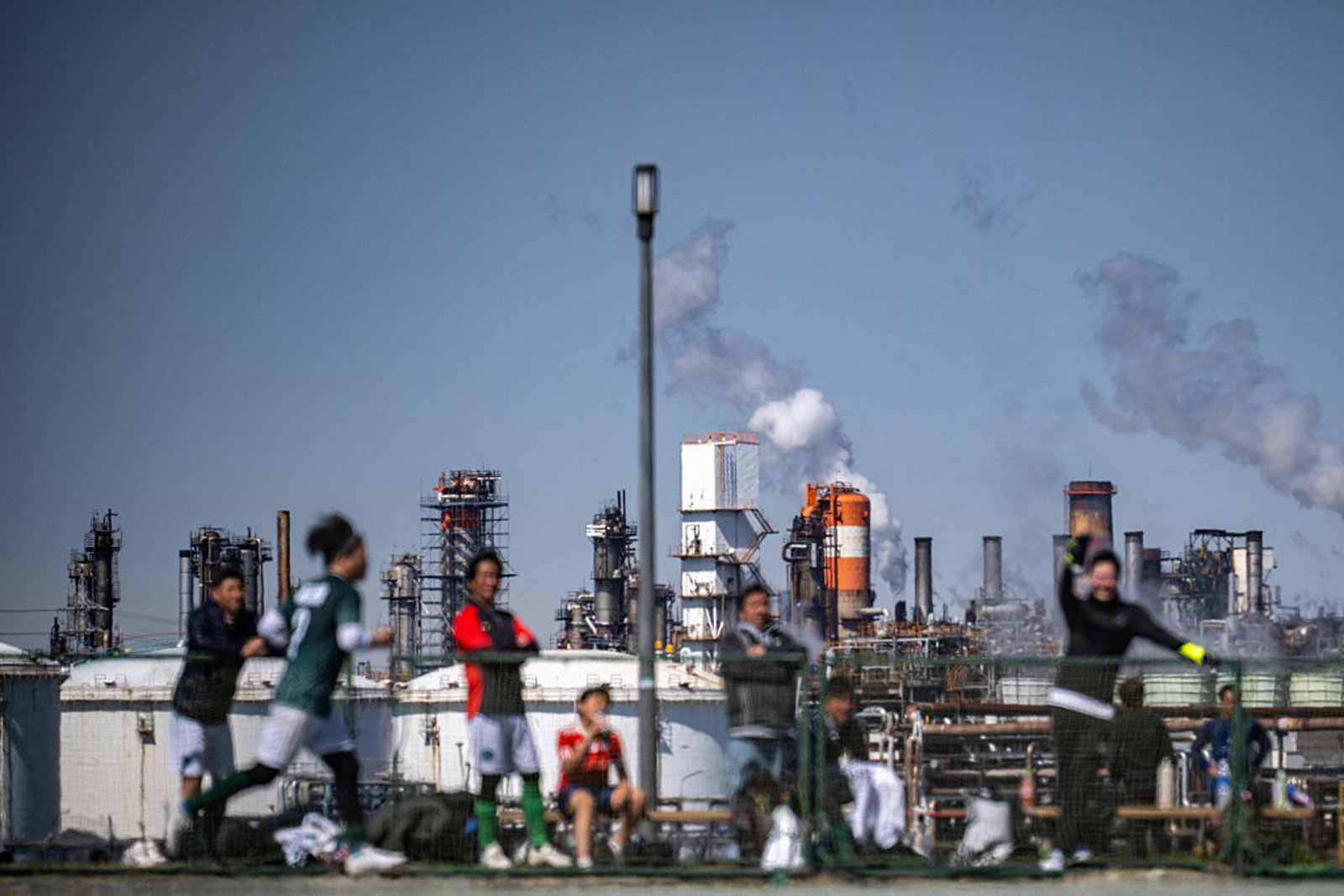
DHAKA, July 13, 2026 (EP Desk) — The continuing military confrontation between the United States and Iran has once again exposed the vulnerability of global energy markets, with analysts warning that prolonged instability in the Middle East could trigger fresh spikes in oil and natural gas prices and threaten global energy security.
Although crude oil prices have retreated from their recent highs, energy experts believe the risk premium remains elevated because the conflict involves one of the world’s most strategically important energy-producing regions.
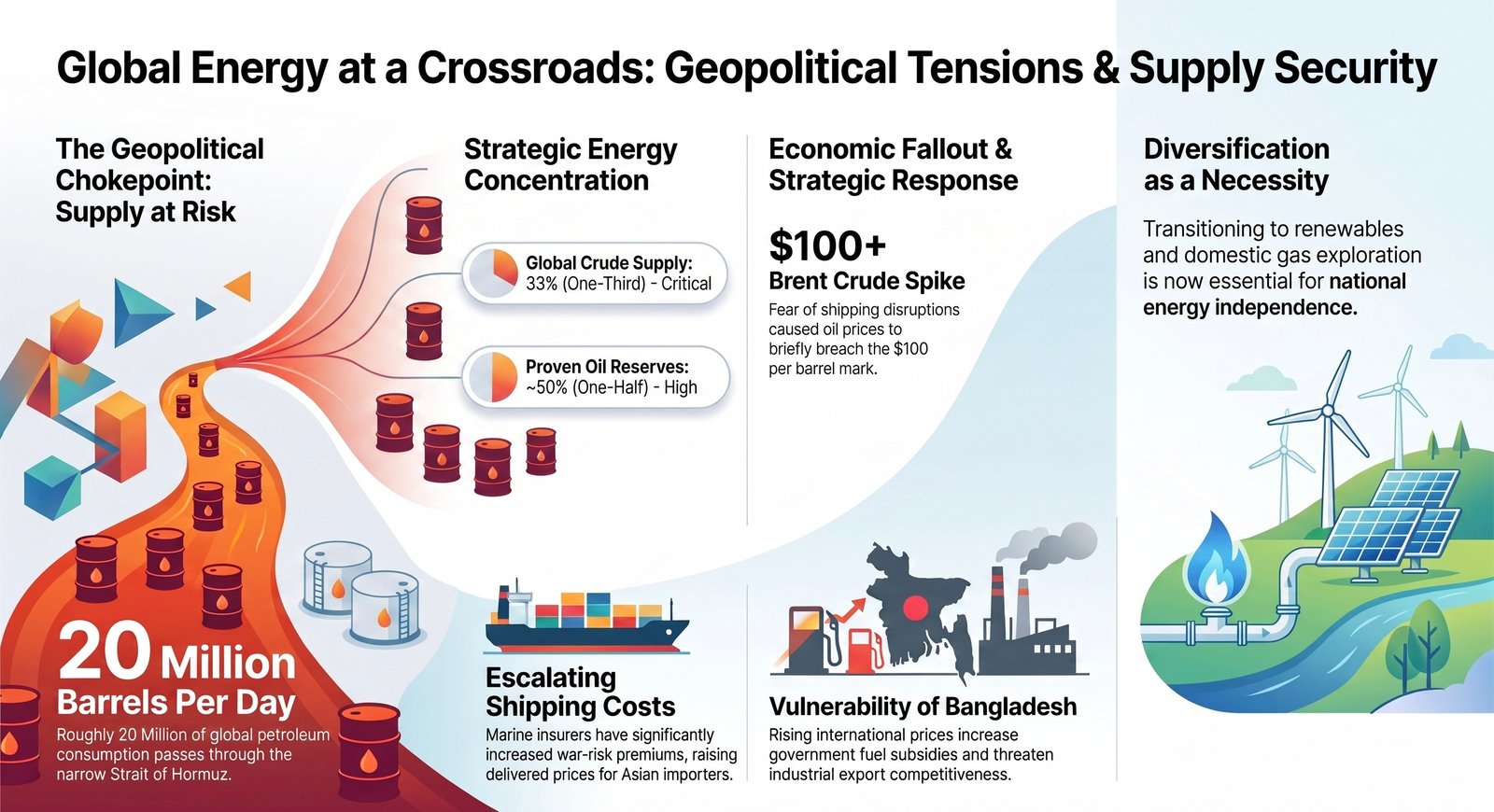
According to the International Energy Agency (IEA), the Middle East remains central to global energy security, supplying around one-third of the world’s crude oil while holding nearly half of proven oil reserves. The agency has repeatedly warned that geopolitical disruptions in the region can have “significant implications for global oil and gas markets.”
The U.S. Energy Information Administration (EIA) describes the Strait of Hormuz as “the world’s most important oil transit chokepoint.” The EIA estimates that about 20 million barrels of crude oil and petroleum products move through the Strait each day, representing roughly one-fifth of global petroleum consumption. A substantial share of Qatar’s liquefied natural gas (LNG) exports also passes through the same route.
During the height of the conflict earlier this year, Brent crude oil briefly traded above US$100 per barrel as markets feared that military action could disrupt shipping through the Strait of Hormuz. However, prices later eased after no prolonged blockade materialized and additional supplies entered the market.
The International Monetary Fund (IMF) has warned that geopolitical conflicts are becoming an increasingly important source of global economic uncertainty. In its recent assessments, the IMF noted that higher energy prices fuel inflation, increase production costs and slow economic growth, particularly in energy-importing developing countries.
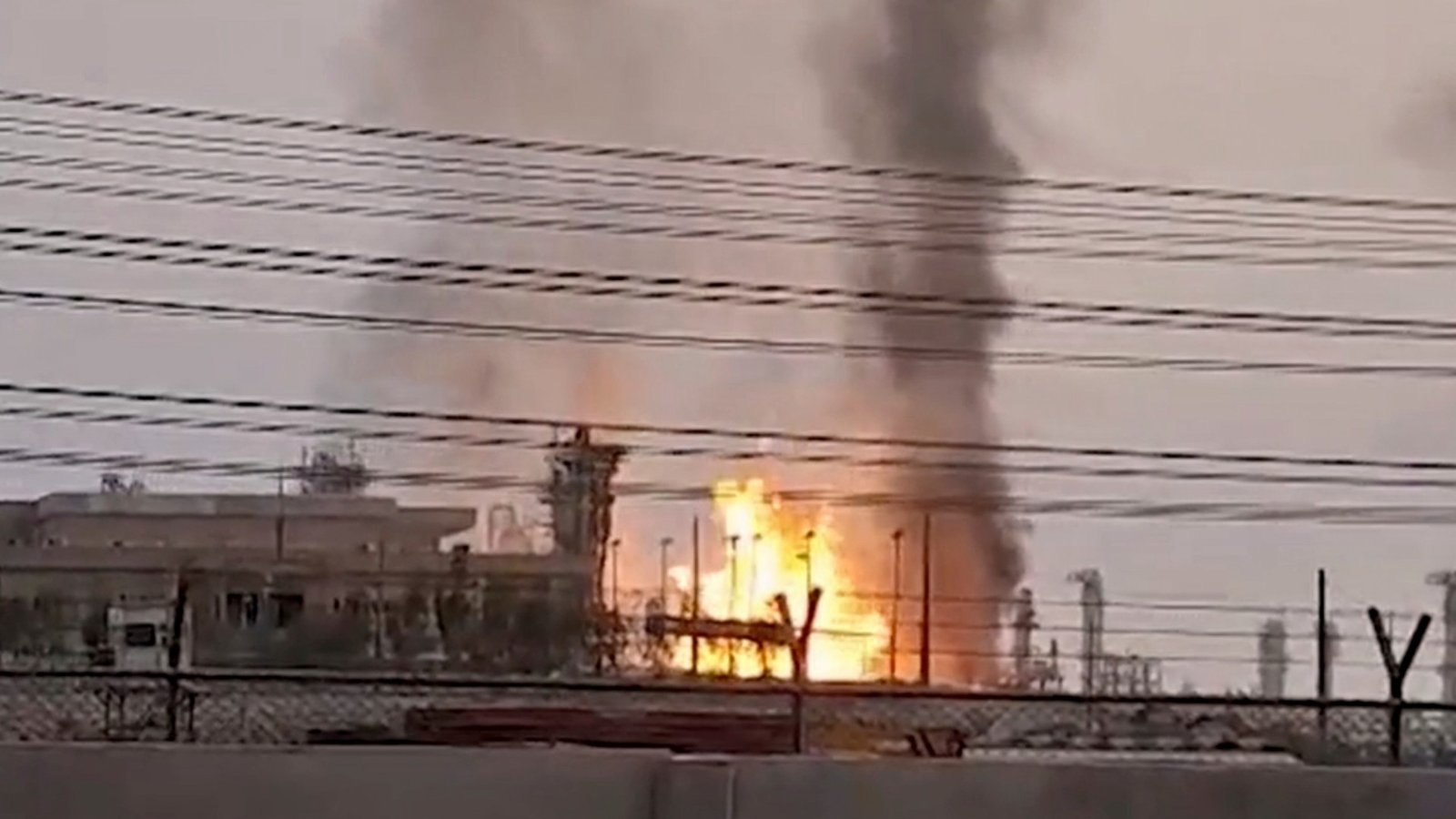
The IEA also observed that stronger oil supply from several producers, combined with weaker demand growth in Asia, helped stabilize prices in recent weeks. Nevertheless, the agency cautioned that markets remain vulnerable to any unexpected supply disruption.
Shipping costs have emerged as another concern.
According to Reuters, marine insurers significantly increased war-risk premiums for vessels operating in the Gulf following the escalation of tensions. Higher freight and insurance costs have raised the delivered prices of crude oil, LNG and refined petroleum products, especially for Asian importers.
The impact has been felt beyond crude oil markets.
While benchmark oil prices have moderated, prices of diesel, jet fuel and liquefied petroleum gas (LPG) have remained relatively firm because of higher transportation costs and limited refining capacity, according to market analysts quoted by Bloomberg.
For Bangladesh, the developments carry significant implications.
The country relies increasingly on imported LNG to offset declining domestic gas production while also importing crude oil, refined petroleum products and coal for electricity generation. Any sustained increase in international energy prices raises the government’s fuel subsidy requirements and increases electricity generation costs.
Energy economists believe prolonged geopolitical instability could also worsen Bangladesh’s ongoing gas shortages, affecting industrial production and export competitiveness.
The International Energy Agency has repeatedly emphasized that energy diversification is becoming a strategic necessity rather than simply an environmental objective. Expanding renewable energy, improving energy efficiency, investing in battery storage and increasing domestic natural gas exploration can reduce dependence on imported fossil fuels and improve long-term energy security.
Similarly, the International Renewable Energy Agency (IRENA) has argued that renewable energy deployment strengthens national energy independence by reducing exposure to international fuel price volatility.
Despite the recent easing of oil prices, analysts remain cautious.
The EIA notes that any disruption to shipping through the Strait of Hormuz would have immediate consequences for global oil and LNG markets because alternative export routes cannot fully replace the volume transported through the waterway.
As global markets continue to monitor developments in the Middle East, policymakers are being reminded that geopolitical stability remains one of the most important factors influencing energy prices. For Bangladesh and other fuel-importing nations, strengthening domestic energy production, diversifying supply sources and accelerating renewable energy development are increasingly viewed as essential measures to reduce exposure to future external shocks.