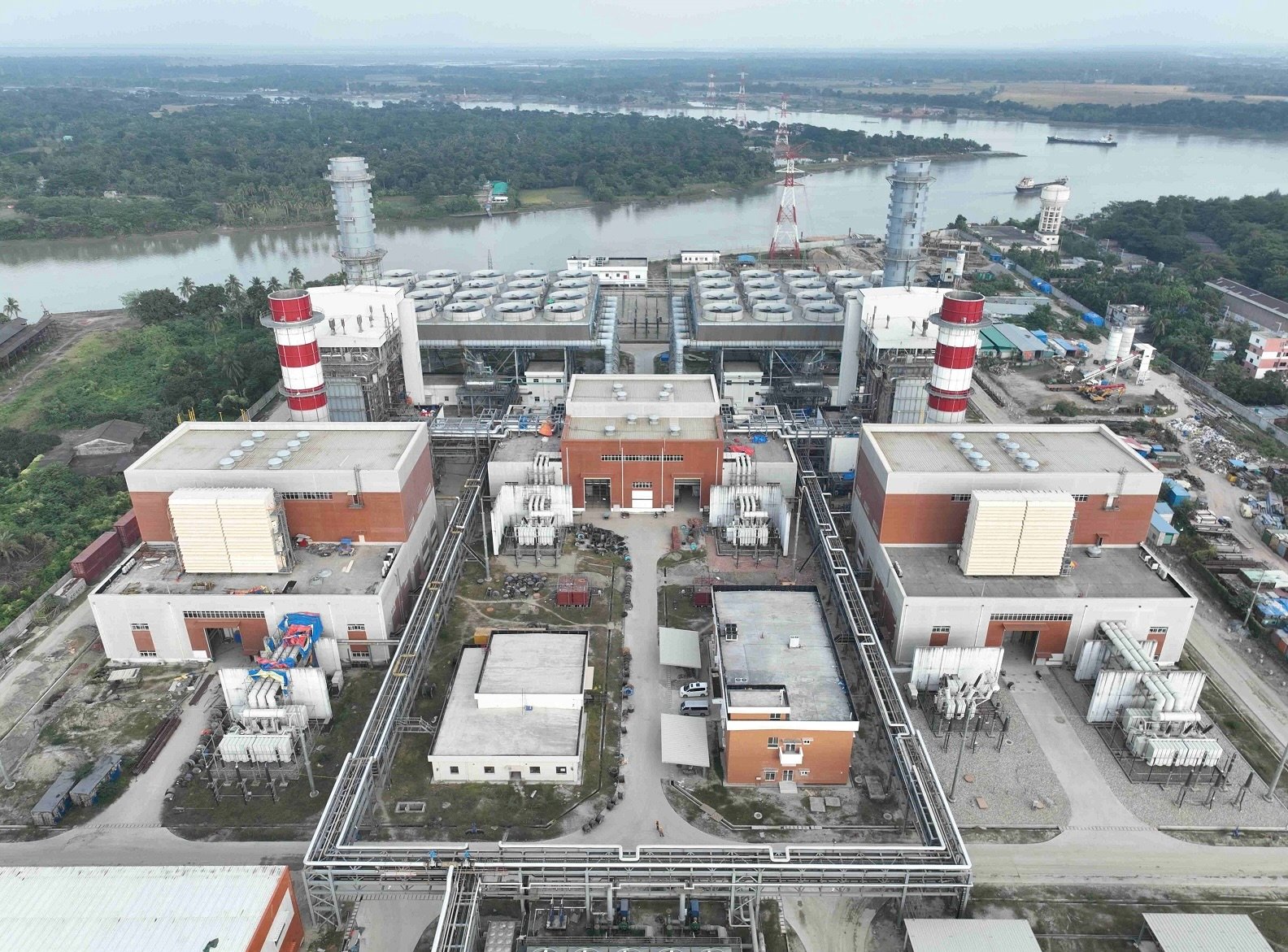
ADB’s Gas Addiction Traps Bangladesh in Costly Stranded Assets: New Report Exposes Rupsha 800 MW LNG Project Failure
$1.14 Billion LNG Failure: Report Calls for Immediate Shift from LNG to Renewable Energy Future
Bangladesh, 2 May 2026 (PR) — On the eve of the 59th Annual Meeting of the Asian Development Bank (ADB), a new joint report released today by CLEAN, NGO Forum on ADB, Big Shift Global, and Urgewald reveals how continued financing of fossil gas projects is pushing Bangladesh into a cycle of economic loss, environmental degradation, and energy insecurity.
Titled “How ADB’s Gas Addiction Locks Bangladesh in Stranded Assets – The Case of Rupsha 800 MW,” the report highlights the stark reality of the Rupsha LNG-based power plant in Khulna. Once promoted as a key solution to rising energy demand, the plant is now operating at just 3–10% capacity due to persistent gas shortages.
.png)
A Costly Failure for People and the Economy
Despite an investment of USD 1.14 billion, the Rupsha project has effectively become a stranded asset. It has failed to deliver reliable electricity while imposing significant financial burdens through ongoing capacity payments and reliance on expensive LNG imports.
Presenting the keynote at the report’s launch webinar, Hasan Mehedi emphasized that the Rupsha project reflects a flawed development model driven by external financing priorities rather than national interests.
“It is unacceptable that such massive investments are locking Bangladesh into projects that neither ensure energy security nor serve the people. Communities are paying the price for decisions that prioritize fossil fuel dependency over sustainable solutions,” he stated.
The report further underscores that dependence on imported LNG has sharply increased electricity generation costs, placing additional strain on the national economy and public finances.
Marjorie from Recourse added: “ADB cannot claim climate leadership while continuing to fund fossil gas projects like Rupsha, which are already failing economically and environmentally.”
Rayyan Hassan of NGO Forum on ADB pointed to geopolitical dynamics: “The United States, one of ADB’s largest shareholders with around 15.6%, continues to support fossil gas expansion through the bank. This reflects a broader alignment of financial and geopolitical interests promoting LNG dependency in countries like Bangladesh.”
Environmental and Social Impacts Ignored
Beyond economic concerns, the report documents serious environmental and social consequences. These include declining air quality, threats to biodiversity, and risks to local ecosystems in Khulna. Communities near the project have also experienced displacement and disruptions to their livelihoods, raising pressing concerns about environmental justice and human rights.
Fiza Naz Qureshi of Big Shift Global questioned: “Who truly benefits from these investments? This project shows how public finance institutions continue to support fossil fuel expansion while ignoring both climate science and community realities.”
Contradictions in ADB’s Energy Strategy
The findings reveal a clear contradiction in ADB’s approach: while publicly committing to clean energy transitions, it continues to invest heavily in fossil gas infrastructure.
Dr. Nora Sausmikat from Urgewald stressed: “We have repeatedly warned that continued investment in fossil fuels is the wrong direction. It locks Bangladesh into high-carbon pathways, increases long-term economic vulnerability, and undermines resilience. For a climate-vulnerable country, this is not just short-sighted—it is a policy failure that must be urgently corrected.”
Regional insights shared by Hussain Jarwar of Indus Consortium demonstrated that renewable energy—particularly solar—is already more viable, cost-effective, and scalable across South Asia.
Call for Urgent Policy Shift
The report issues a strong and urgent call for a fundamental shift in energy financing. It warns that continued support for fossil gas infrastructure will lock Bangladesh into costly and unsustainable pathways.
Key recommendations include:
• Immediate withdrawal of ADB financing from fossil gas projects
• Suspension of ongoing loans to failing LNG-based projects like Rupsha 800 MW
• Redirecting investments toward decentralized renewable energy systems
• Establishing binding renewable energy targets aligned with global climate commitments
• Ensuring transparency and accountability in all energy financing decisions
A Turning Point for Bangladesh’s Energy Future
As one of the countries most vulnerable to climate change, Bangladesh stands at a critical crossroads. The report emphasizes that continuing reliance on fossil fuels will deepen economic and environmental risks, while renewable energy offers a pathway to energy security, affordability, and sustainability.
Monower Mostafa from BWGED concluded: “Bangladesh has immense renewable energy potential. What is lacking is not capacity, but political will and a shift in financial priorities.”
This report is part of a broader effort by CLEAN, NGO Forum on ADB, Big Shift Global, and Urgewald to hold international financial institutions accountable and to advocate for a just and sustainable energy transition in Bangladesh and beyond.