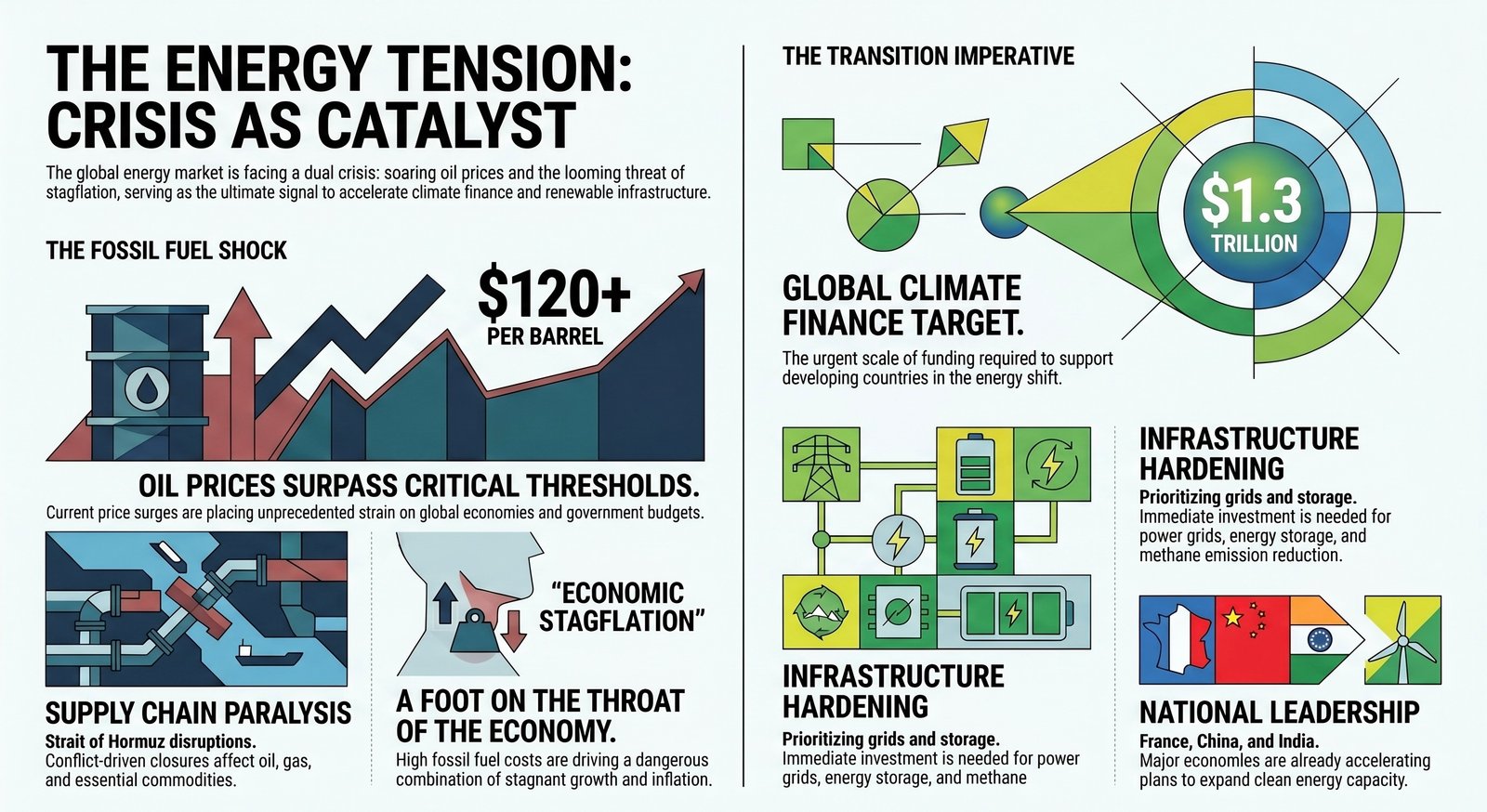
The head of the International Energy Agency (IEA) has warned that the world is entering a deeper energy crisis, as oil prices rise above $120 per barrel and place growing strain on economies worldwide.
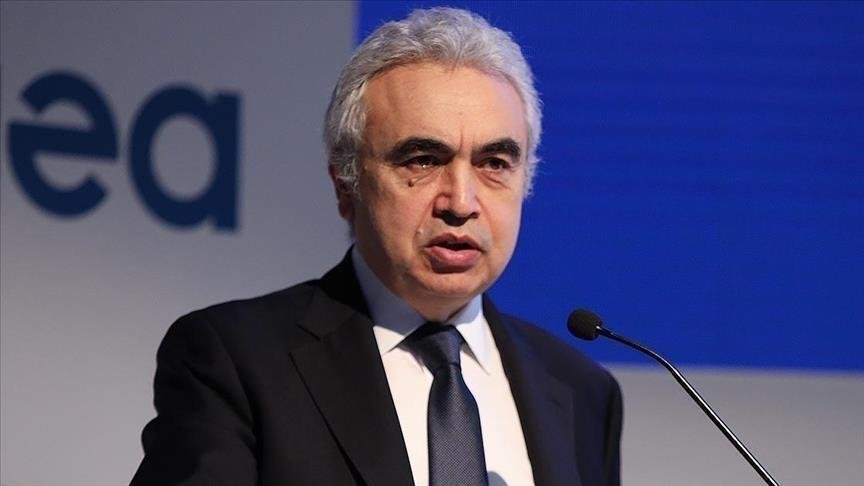
Speaking at the COP31–IEA High-Level Energy Transition Dialogue in Paris, IEA Executive Director Fatih Birol said, “The world is facing a major energy and economic challenge.” He emphasized that the agency is closely monitoring developments, with energy security remaining a top priority.
Birol noted that the current turmoil in global energy markets confirms earlier warnings issued by the IEA. “What is happening now shows that unfortunately, we were right,” he said, adding that both oil and gas markets are facing significant disruptions. The sharp rise in oil prices is already putting pressure on many countries.
The crisis has been intensified by escalating tensions in the Middle East. Iran’s response to the ongoing conflict involving the United States and Israel—including the closure of the Strait of Hormuz—has sent shockwaves through global energy markets. This disruption is affecting not only oil and gas supplies but also critical commodities such as fertilizers, petrochemicals, and sulfur, which are essential for developing economies.
Fossil Fuel Price Shock Weighs on Global Economy
Meanwhile, Simon Stiell, Executive Secretary of the United Nations Framework Convention on Climate Change (UNFCCC), highlighted the broader economic consequences of the crisis.
He noted that the conflict in the Middle East is not only causing severe human suffering but is also having far-reaching economic impacts. Volatile fossil fuel prices are placing increasing pressure on households, businesses, and government budgets worldwide.
“The fossil fuel cost crisis now has its foot on the throat of the global economy, with stagflation on the march,” Stiell warned.
However, he added that the crisis also strengthens the case for accelerating the transition to renewable energy. Countries such as France, China, and India are already moving forward with plans to expand clean energy capacity.
Stiell emphasized the urgent need to mobilize climate finance, particularly for developing countries that are struggling with limited resources and rising debt burdens. He called for delivering global climate finance commitments in full and on time, including efforts to scale funding up to $1.3 trillion.
He also stressed the importance of investing in power grids, energy storage systems, and reducing methane emissions to accelerate the clean energy transition.
Looking ahead to COP31 in Türkiye, Stiell urged stronger global cooperation: “We must seize this moment. We’ve no time to lose.”