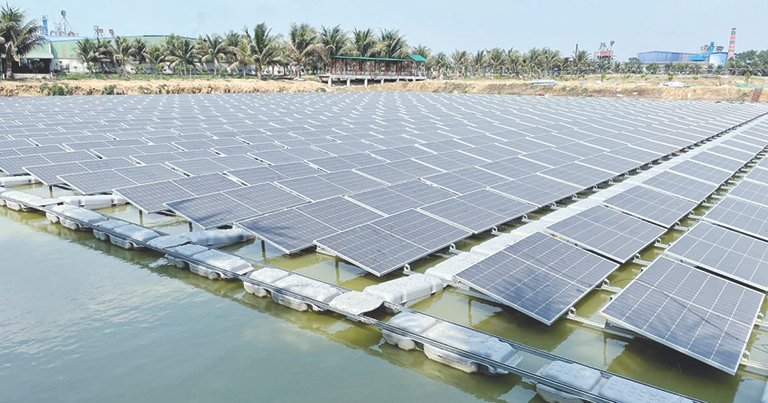
The government aims to generate up to 10,000 MW of electricity under a new five-year (2026-2030) strategy on renewable energy. This contains in the of National Renewable Energy Development Strategy. The goal is to raise the share of the renewables –solar, hydro, and wind –to 20 percent in the country’s energy bowl, up from the current share of 5.4 percent to 5.6 percent. Solar power currently dominates the renewable energy mix at 81 percent, followed by hydropower (15 percent) and wind which accounts for 4 percent only.
Renewable energy which is clean and cost effective has been on the discussion table for long in Bangladesh. With imports of fossil fuel –oil, LNG, LPG and coal – getting costlier mainly because of external factors like wars and conflicts Bangladesh’s policy makers have long been campaigning for focusing the attention on the renewables. Iqbal Hasan Mahmud, the minister for power, energy and mineral resources, at a recent seminar has rightly underlined the need for raising the generation of renewable energy. This, he said, will reduce the country’s dependence on imported fossil fuel and thus help save foreign currency much needed for building energy cost-saving energy infrastructure such as rooftop solar panels. The proposed strategy has prioritize the installation of solar panels on the rooftops. This will also save the consumers in paying less for energy bills and thus used the money saved to meet household necessities. A sizeable amount of money has to be invested in solar paneling the rooftops and to encourage the campaign the government of Prime Minister Tarique Rahman has taken several significant steps in the national budget for FY 2026-27. Prospective investors have been offered tax benefits and policy support should they go for putting their capital in promoting solar energy. Installation of floating solar energy panels is also being mulled as part of the proposed national strategy.
Installation of 10,000 MW of renewable energy in less than five years may look an ambitious goal. Energy experts, however, believe it is not impossible should the government remain true to its promise. Once the policy makers are convinced that clean renewables are the answers to the country’s achieving the energy security things will fall in place. A corruption-free honest approach coupled with determination is the key to achieving the goal that at this point may appear difficult.
As energy expert M Shamsul Alam says the country’s current energy crisis should not be seen only as a technological problem. “This is in fact a crisis of policy and good governance.” He has rightly pointed out that building big power plants does not necessarily solve the problem. Small initiatives, decentralization of the system involving hundreds of small entrepreneurs have been suggested by some energy experts like him. These are welcome suggestions though. There are caveats though. In Bangladesh, the governments have shown tendencies for going for the big ignoring the small. The big projects mean big money. Huge corruption is possible only big investment is made. Policies are thus made in favour of big projects where huge capital is needed. Money comes from donors or by way of domestic bank loans. This mentality is one of the factors that saw huge cost escalation in implementing mega projects. Small projects mean small gain in corruption, while mega projects mean mega gains to the corrupt elements.
Transparency, accountability and integrity in project implementation are what Bangladesh has long been lacking. Promises are aplenty, but their fulfillment is in short supply. Long-term strategy with lofty goals are welcome, but execution with honor is what the country needs more than anything else.
Download Column As PDF/userfiles/EP_24_03_Column.pdf