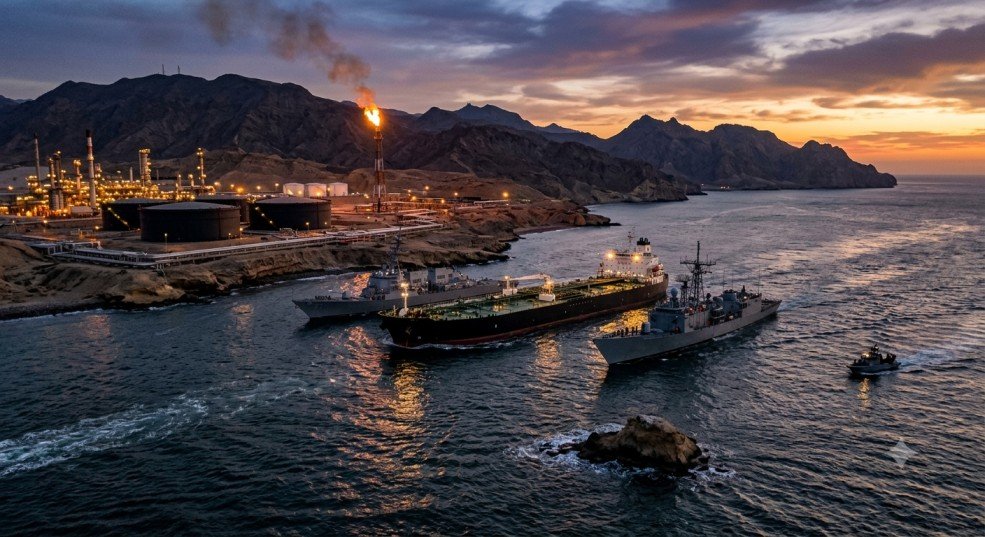
Global oil prices climbed sharply on Friday as escalating tensions between the United States and Iran reignited concerns over potential disruptions to energy supplies through the strategically vital Strait of Hormuz.
On July 17, 2026 Brent crude for September delivery rose 4.6 percent to settle at $88.10 per barrel, recording its biggest weekly gain since April. US benchmark West Texas Intermediate (WTI) for August delivery also gained 4.5 percent to close at $82.49 per barrel.
The latest rally followed reports that the United States is deploying dozens of aerial refueling aircraft to Israel, fueling expectations of a further escalation in the regional conflict. Investor concerns intensified after Iran reportedly launched attacks on water and power facilities in Kuwait, while the US carried out another round of strikes on Iranian military targets.
The renewed conflict has heightened fears over the security of the Strait of Hormuz, a crucial maritime route that normally handles around one-fifth of the world’s seaborne oil trade. Increased security risks have already led to reduced tanker movements through the waterway, adding to concerns over global energy supplies.
Analysts said the market is increasingly focused on the possibility of prolonged disruptions to crude oil and refined fuel supplies. Diesel and gasoline markets have tightened further due to lower Russian exports and refinery outages, supporting higher refining margins.
The geopolitical uncertainty also pushed European natural gas prices sharply higher amid concerns that liquefied natural gas (LNG) shipments through the Gulf could also be affected.
Market participants said oil prices are likely to remain highly volatile as investors closely monitor developments in the Middle East and their potential impact on global energy supply chains.