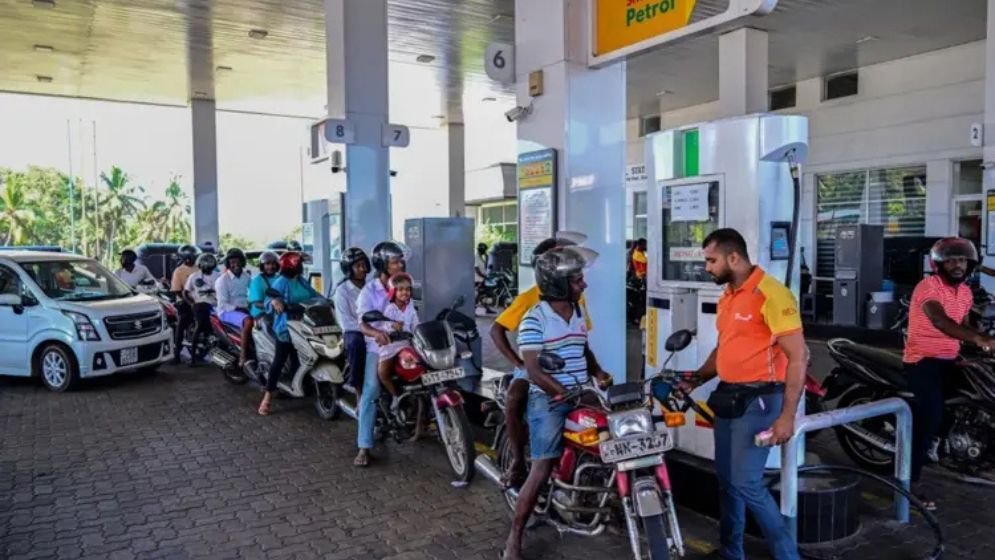
COLOMBO, May 31, 2026— Sri Lanka has increased fuel prices by up to six percent as part of its commitment to cost-recovery reforms under an International Monetary Fund (IMF) bailout program aimed at stabilizing the country’s economy. Report BSS/AFP
The state-owned Ceylon Petroleum Corporation announced on Sunday that the price of petrol had been raised to 434 Sri Lankan rupees (US$1.33) per liter from 410 rupees, while diesel prices increased to 407 rupees per liter from 392 rupees.
The latest adjustment comes just days after the IMF approved the release of a US$695 million tranche under Sri Lanka’s US$2.9 billion Extended Fund Facility program, which was agreed in early 2023 to help the island nation recover from its worst economic crisis in decades.
As part of the IMF-supported reform agenda, Sri Lanka has committed to ensuring full cost recovery in both fuel and electricity pricing. The government has maintained subsidies on energy products since the escalation of conflict in the Middle East earlier this year, which triggered significant volatility in global energy markets.
In a letter to the IMF that was made public by the Washington-based lender, President Anura Kumara Dissanayake confirmed that fuel subsidies would be completely phased out by September 2026.
Since the outbreak of hostilities involving Iran in late February, global energy markets have experienced severe disruptions. Sri Lanka, which relies entirely on imported petroleum products and coal for power generation, has been particularly vulnerable to rising international prices and supply uncertainties.
The country has already increased petrol and diesel prices by approximately 48 percent since February, while electricity tariffs have risen by nearly one-third.
A major factor behind the energy market disruption has been the effective closure of the Strait of Hormuz by Iran. The strategic waterway normally carries around one-fifth of global oil exports, making it one of the world’s most important energy transit routes.
Sri Lankan authorities have warned that prolonged instability in the Middle East could jeopardize the country’s fragile economic recovery and undermine efforts to restore macroeconomic stability.
Sri Lanka defaulted on its US$46 billion external debt in 2022 after exhausting its foreign exchange reserves. Since then, the country has relied heavily on IMF assistance and economic reforms to rebuild confidence, stabilize public finances, and restore growth.