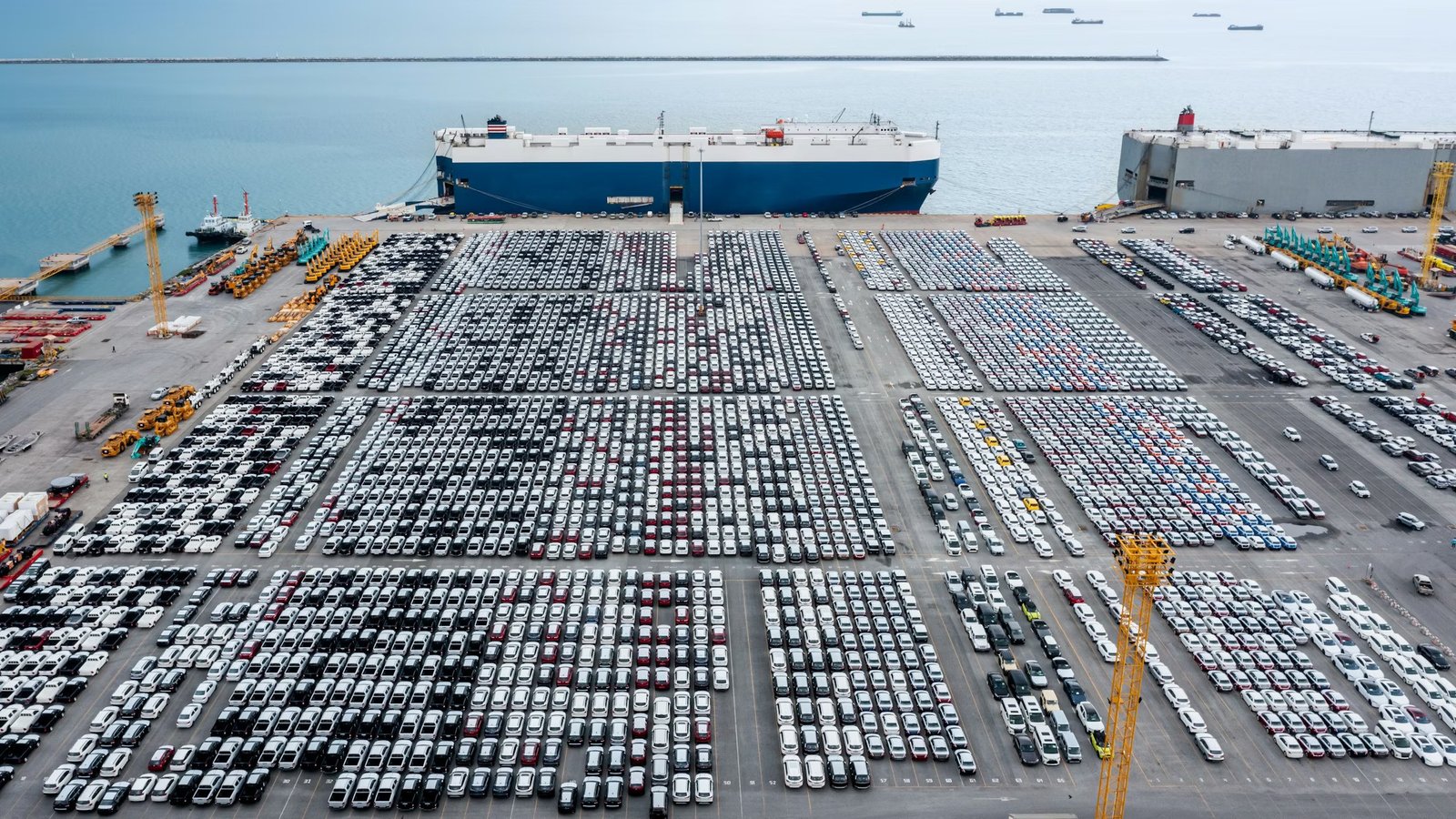
Global electric vehicle (EV) sales are projected to reach 23 million in 2026, accounting for nearly 30 percent of all new cars sold worldwide, according to the latest edition of the International Energy Agency’s (IEA) Global EV Outlook 2026.
The report highlights the continued expansion of electric mobility amid growing concerns over energy security, volatile fuel prices, and the ongoing global energy crisis linked to the conflict in the Middle East.
According to the IEA, global electric car sales surpassed 20 million in 2025, marking a 20 percent increase compared to the previous year. As a result, one in every four new cars sold globally was electric. Nearly 40 countries recorded EV market shares of 10 percent or higher in total new car sales.
.jpeg)
China maintained its dominant position in the global EV industry, supplying approximately 60 percent of electric cars sold worldwide. European and North American manufacturers each accounted for around 15 percent of global EV sales.
While policy adjustments in China and the United States contributed to an 8 percent decline in global EV sales during the first quarter of 2026 compared to the same period in 2025, many other markets experienced rapid growth. EV sales in Europe increased by nearly 30 percent year-on-year, while the Asia-Pacific region excluding China recorded an 80 percent increase. In Latin America, sales rose by 75 percent. Around 90 countries reported year-on-year EV sales growth in March 2026, with approximately 30 countries reaching record monthly sales levels.
The report notes that falling battery prices and improving cost competitiveness are making EVs increasingly attractive to consumers, particularly amid uncertainty in global fuel markets. Even without additional policy measures, the global EV fleet is projected to expand from nearly 80 million vehicles today to as many as 510 million by 2035.
IEA Executive Director Fatih Birol stated that the growing popularity of electric vehicles is transforming both global car markets and the broader energy system.
“Electric car sales set new records in close to 100 countries last year,” Birol said. “The growing popularity of EVs has marked a major shift for car markets and the energy system as a whole, while also helping reduce pressure during the largest oil supply shock in history.”
The report also highlights strong growth in electric trucks, with global sales more than doubling in 2025. China remained the dominant market for electric trucks, while electric two- and three-wheelers continued to expand globally.
Southeast Asia emerged as one of the fastest-growing EV markets. Electric car sales in the region more than doubled in 2025, reaching a market share of nearly 20 percent. The IEA projects that EVs could account for up to 60 percent of vehicle sales in Southeast Asia by 2035, supported by favorable pricing trends and government incentives. Countries such as Viet Nam have already introduced or expanded EV tax incentives in response to the ongoing energy crisis.
China also continued to dominate EV manufacturing and supply chains, producing nearly three-quarters of the world’s approximately 22 million electric cars in 2025. Chinese EV exports more than doubled last year, exceeding 2.5 million vehicles. Outside the major EV markets of China, Europe, and the United States, Chinese-made vehicles accounted for 55 percent of EV sales in the rest of the world.
In addition to market trends, the report includes a special focus on emerging automotive technologies related to software and artificial intelligence, as well as updated digital tools for tracking global EV policies, prices, and deployment trends.
The IEA concludes that the current energy crisis is accelerating the global transition toward electric mobility, with energy security concerns increasingly reinforcing long-term investment and policy support for EV adoption worldwide.