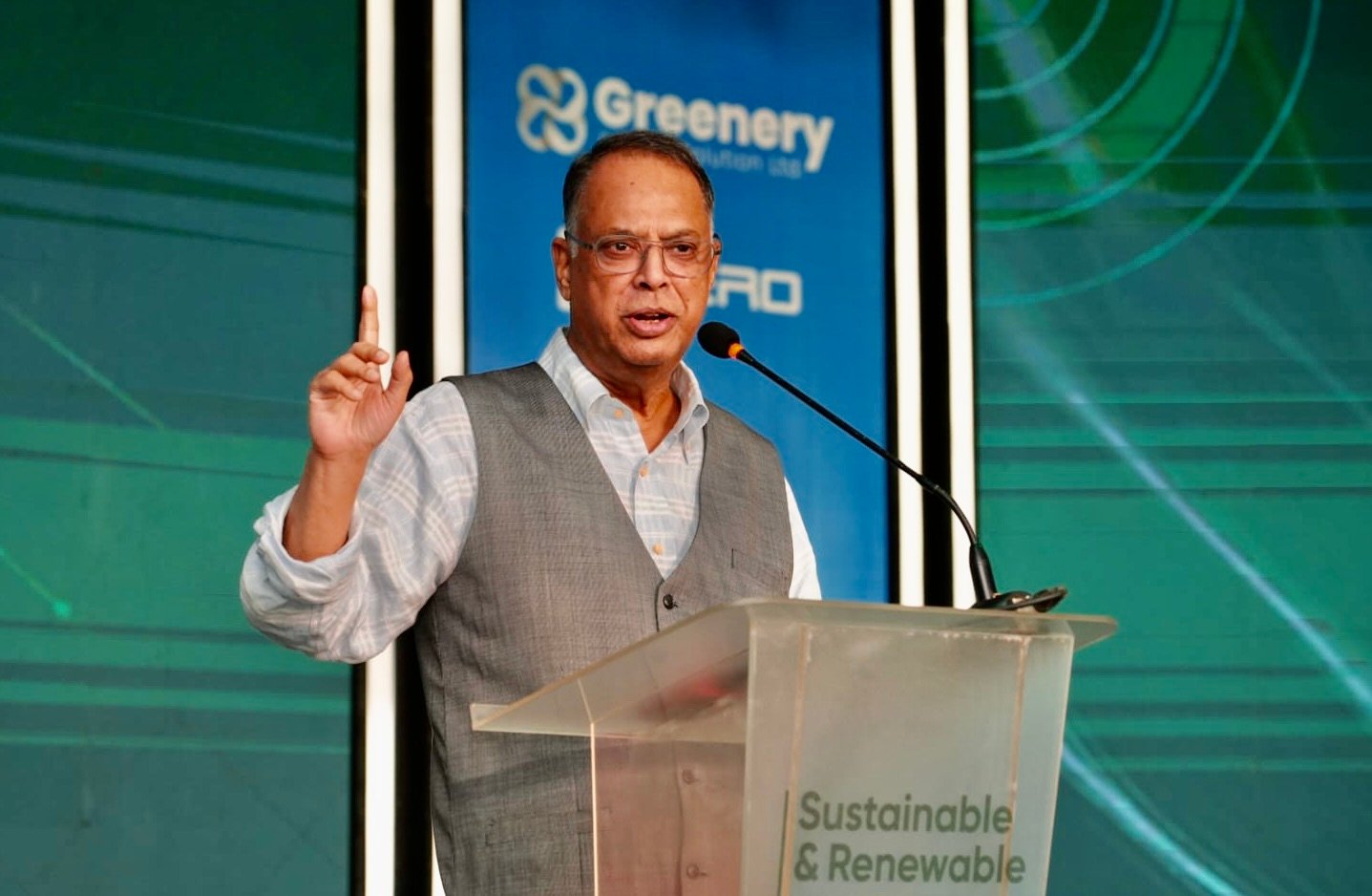
Dhaka, May 2, 2026 — Power, Energy and Mineral Resources Minister Iqbal Hassan Mahmood today stated that renewable energy is no longer optional but essential for building a sustainable and resilient power sector in Bangladesh.
Speaking at an event organized by the Sustainable & Renewable Energy Solution Initiative at a city hotel, the minister highlighted the government’s vision for a modern energy system.
“We believe a sustainable, affordable, and accountable energy system will be the foundation of Bangladesh’s future progress,” he said.
The minister stressed the importance of long-term strategic planning and greater transparency in the energy sector. He noted that the entry of globally recognized companies such as Lesso Solar and Zero Technology comes at a critical moment for Bangladesh’s energy transition.
Their involvement, he said, signals growing international confidence in the country’s renewable energy market and its long-term potential.
As a special guest, M. Ruhul Quddus Talukder Dulu emphasized the need for coordinated efforts across sectors.
He called on policymakers, businesses, and stakeholders to work together to strengthen energy security while promoting sustainable industrial growth.
The formal entry of Lesso Solar and Zero Technology into Bangladesh’s renewable energy market was facilitated through Greenery Energy Solutions Limited, marking a significant milestone in the country’s clean energy journey.
Greenery Energy Solutions Limited (GESL), a sister concern of Livenza Group, has been appointed as the exclusive distribution partner for both brands in Bangladesh, as well as the sole national distributor for Lesso Solar.
Managing Director of GESL, Sanzid Shahnoor, said the company aims to transform the energy landscape by combining Livenza Group’s 25 years of business experience with international technological expertise.
He emphasized that GESL’s vision goes beyond product distribution. The company seeks to help industries and commercial enterprises reduce electricity consumption through advanced technologies, improving both profitability and environmental performance.
Shahnoor expressed optimism that solar energy and smart HVAC solutions will play a transformative role in Bangladesh’s garments and textile sectors—key drivers of the national economy.
The event underscored a broader shift in Bangladesh’s energy narrative—from fossil fuel dependence toward cleaner, more sustainable alternatives. With growing public and private sector engagement, renewable energy is increasingly positioned as a cornerstone of the country’s long-term development strategy.