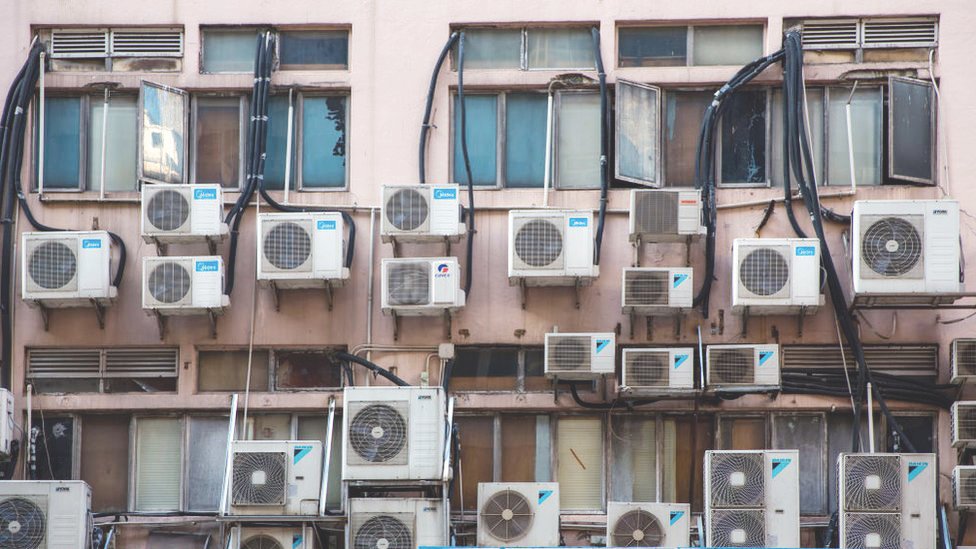
Climate change is projected to widen global inequality by driving greater air-conditioning (AC) adoption in wealthy countries while causing sharply higher heat-related deaths in poorer nations that lack access to affordable electricity, according to a new report by the Climate Impact Lab.
The report warns that rising temperatures could contribute to an additional 430,000 heat-related deaths every year by 2050, with low- and lower-middle-income countries accounting for nearly 10 times more deaths than wealthier nations.
Researchers say access to reliable and affordable electricity for cooling will determine how effectively countries can adapt to worsening heat. However, many of the regions expected to experience the most extreme temperatures are also those least able to expand electricity access.
“Air conditioning saves lives, but many of the world’s poorest countries will not be able to adopt cooling technologies at the pace needed to protect their populations,” said Michael Greenstone, co-founder of the Climate Impact Lab and Professor of Economics at the University of Chicago.