The global energy crisis triggered by the devastating conflicts in the Middle East and Persian Gulf has once again demonstrated a hard reality: no country can ensure affordable and reliable energy security without a strong degree of energy independence. Sustainable economic growth and poverty reduction depend heavily on access to fuel and electricity at affordable prices, whether sourced domestically or imported. At the same time, environmental protection and energy transition have become equally important, as countries seek to balance economic growth with climate responsibilities.
Many nations possess significant primary energy resources but lack the technology, expertise, or financial capacity to develop them efficiently. In many cases, global powers and multinational interests exploit these weaknesses. Wars and geopolitical conflicts are often deeply connected to control over energy resources. On the other hand, countries lacking sufficient resources rely heavily on imported fuel and electricity, leaving them vulnerable to price shocks and supply-chain disruptions caused by wars, sanctions, or trade restrictions. The recent disruption of the Strait of Hormuz—one of the world’s most critical energy shipping routes—has exposed these vulnerabilities once again.
For example, Venezuela, despite being a major oil exporter, has long faced sanctions and geopolitical pressure linked to its energy resources. Similarly, conflicts and embargoes involving Russia, Iran, and several Middle Eastern countries have intensified volatility in global fuel markets. As a result, net energy-importing countries are struggling to ensure affordable fuel and electricity supplies for their citizens.
At the same time, the world has realized that uncontrolled use of fossil fuels has caused severe environmental damage through greenhouse gas emissions and global warming. Consequently, renewable energy sources such as solar, wind, biomass, and wave energy, along with cleaner energy options like hydro and nuclear power, are receiving greater attention. Countries around the world are adopting energy-transition roadmaps and pursuing smarter energy systems. However, most developing nations still require international support in technology, financing, and expertise to achieve these goals. Ultimately, the core challenge remains the same: ensuring an affordable and reliable energy supply.
Bangladesh presents a particularly complex case. The country has limited primary energy resources, largely untapped renewable potential, and rapidly growing demand from a population of nearly 180 million people living in a relatively small land area. Due to inadequate long-term planning, weak implementation strategies, and institutional limitations in operating modern energy infrastructure efficiently, Bangladesh faces severe shortages in fuel supply for power generation and industry.
The country’s institutions also lack sufficient capacity for large-scale exploration and development of onshore and offshore energy resources. As a result of flawed policies, Bangladesh has become increasingly dependent on imported fuel, exposing the economy to global price volatility and supply disruptions. Domestic fuel and electricity prices remain below economic cost, forcing the government to provide large subsidies. Policies and master plans are often poorly implemented, leaving governments trapped in a cycle of crisis management instead of long-term planning.
Bangladesh urgently requires a comprehensive and realistic power and energy master plan supported by a practical implementation strategy, a balanced fuel mix, transparent pricing policies, and a clear roadmap for energy transition.
Resources and Supply Chain
Bangladesh, the world’s largest river delta, has discovered significant natural gas reserves, mostly onshore. Natural gas remains the dominant fuel for power generation, fertilizer production, industries, transport, and household cooking. However, since 2000, inadequate exploration—caused by policy hesitation and lack of foresight—has pushed proven gas reserves close to depletion.
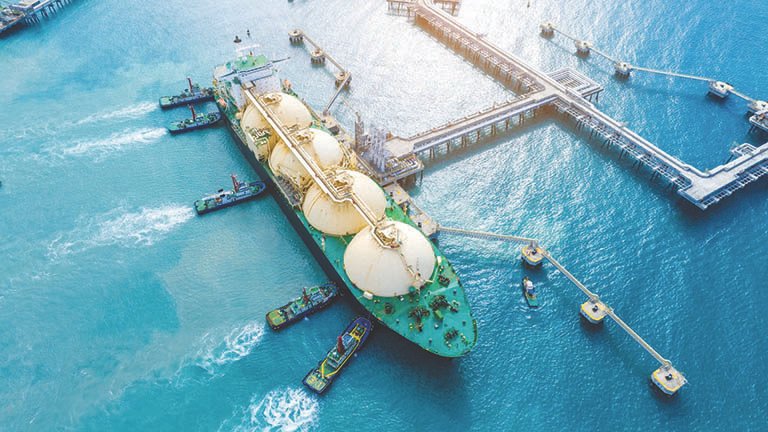
To address growing shortages, Bangladesh began importing LNG in 2018 through two Floating Storage and Regasification Units (FSRUs). Combined domestic gas and imported LNG now supply around 2,800 MMCFD against demand exceeding 4,000 MMCFD. The growing gap has created severe fuel shortages affecting power generation, fertilizer production, and industrial operations.
Current exploration efforts by BAPEX are insufficient to meet future demand. Bangladesh urgently needs greater participation from international oil companies under Production Sharing Contracts (PSC) for both offshore and onshore exploration. However, even accelerated exploration campaigns are unlikely to produce major results within the next five to six years.
Similarly, LNG import capacity cannot be expanded quickly. Additional FSRUs require at least 24–30 months to become operational, while land-based LNG terminals may take even longer. As a result, gas supply is expected to remain a major concern between 2027 and 2030.
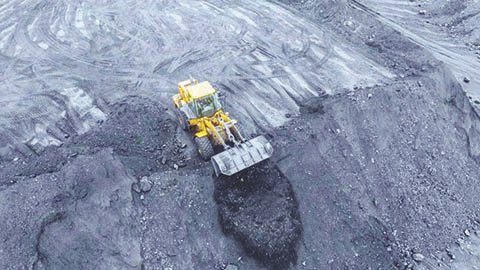
Bangladesh also possesses significant reserves of high-quality coal in the greater Rangpur and Dinajpur regions. Currently, coal from the Barapukuria mine supports three mine-mouth power plants with a combined capacity of 525 MW. However, these plants often fail to operate consistently.
Studies suggest that Barapukuria and Phulbari are highly suitable for open-pit mining under strict environmental safeguards. Despite multiple feasibility studies and development plans, successive governments have failed to make political decisions on large-scale coal mining. Yet these coal reserves could potentially support 10,000 MW of electricity generation for decades.
Instead of developing domestic coal resources, Bangladesh invested heavily in imported coal-based power plants with nearly 7,000 MW capacity. Except for plants at Matarbari and Anwara, many face logistical difficulties transporting coal. BPDB, as the sole buyer of electricity, often fails to make timely payments, preventing these plants from operating at full capacity.
Bangladesh also imports electricity from India and Nepal. A major portion comes from the Adani power plant in Jharkhand, although supply disruptions frequently occur because of unpaid bills.
The country also relies on a large fleet of liquid-fuel-based Independent Power Producers (IPPs), mostly owned by domestic private companies. These expensive and highly polluting plants were originally intended as temporary emergency solutions, but continue operating because of fuel shortages elsewhere in the system. Many are underutilized, yet BPDB must still pay substantial capacity charges.
A breakthrough could come from the Rooppur Nuclear Power Plant. The original plan aimed to commission both 1,200 MW units by the end of 2026. Nuclear energy could significantly stabilize the power grid while reducing reliance on expensive liquid fuels and imported fossil fuels. Fuel loading has finally begun, and the first 1,200 MW unit is now expected to start generation between early and mid-2027.
Despite ambitious plans, Bangladesh has made limited progress in renewable energy development. Recently, however, momentum has started building, especially in rooftop solar projects within industries. The government has announced a target of generating 10,000 MW from renewable sources by 2030.
Still, renewable energy development in Bangladesh faces several obstacles, including land shortages, grid evacuation constraints, tariff uncertainties, and high import taxes on solar equipment. The government is currently reviewing 37 grid-connected solar projects previously stalled during the caretaker administration.
To accelerate progress, the government could acquire land and lease it to private investors, while also encouraging the manufacturing of solar panels, batteries, and inverters within Special Economic Zones. Such initiatives could significantly reduce solar generation costs.
Not all renewable energy needs to feed directly into the national grid. Distributed solar generation in major demand centers such as Chattogram, Khulna, Cumilla, Dinajpur, Bogura, Barishal, Narayanganj, Narsingdi, and Gazipur could ease pressure on the transmission system.
Rooftop solar also holds major potential. Industrial facilities, government buildings, hospitals, and educational institutions could benefit from net-metering systems. However, high import duties, financing difficulties, and a lack of a streamlined approval process remain major barriers. SREDA’s institutional capacity must also be strengthened to ensure quality control and regulatory oversight.
Bangladesh also has opportunities in floating solar projects and hybrid renewable systems. Coastal regions offer significant wind-energy potential. A previously proposed joint venture between Danish and Bangladeshi companies to explore offshore wind development deserves reconsideration.
Bangladesh must pursue every possible avenue to achieve greater energy independence and sustainable energy security. By 2035, the country should target a fuel mix of 75% domestic resources and 25% imports, increasing to 80:20 by 2040.
The proposed long-term transition mix could include: 40% gas and LNG, 40% clean energy (nuclear and renewables), 15% imported electricity, and 5% liquid fuel.
Achieving such a balance would lower energy costs, reduce subsidy burdens, and shield Bangladesh from global fuel-price shocks and supply disruptions.
Recommendations
· Launch immediate PSC bidding for onshore and offshore petroleum exploration.
· Reassess open-pit coal mining at Phulbari and Barapukuria alongside mine-mouth power generation.
· Consider establishing a second nuclear power plant near Rooppur.
· Expand gas exploration in the Chattogram Hill Tracts, Chatak, and Tengratila.
· Construct a gas transmission pipeline from Bhola to Khulna via Barishal.
· Expedite the third FSRU project and LNG/LPG terminals at Matarbari.
· Exempt solar equipment from import duties and taxes for at least five years.
· Promote distributed solar microgrids in major urban centers.
· Encourage manufacturing of solar equipment and EVs in Special Economic Zones.
· Allow BERC to independently determine fuel and electricity pricing.
· Introduce market-based or cost-plus pricing gradually over five years while protecting vulnerable groups through subsidies.
· Modernize Bangladesh’s power and fuel supply systems using SCADA, smart grids, AI, and GIS technologies.
Ultimately, Bangladesh’s growing economy cannot continue absorbing the shocks of volatile global energy markets. Nor can it afford repeated disruptions in fuel supply chains. Long-term energy security will depend on realistic planning, diversified resources, institutional reforms, and decisive political commitment.
Download Article As PDF/userfiles/EP_23_23_Article.pdf