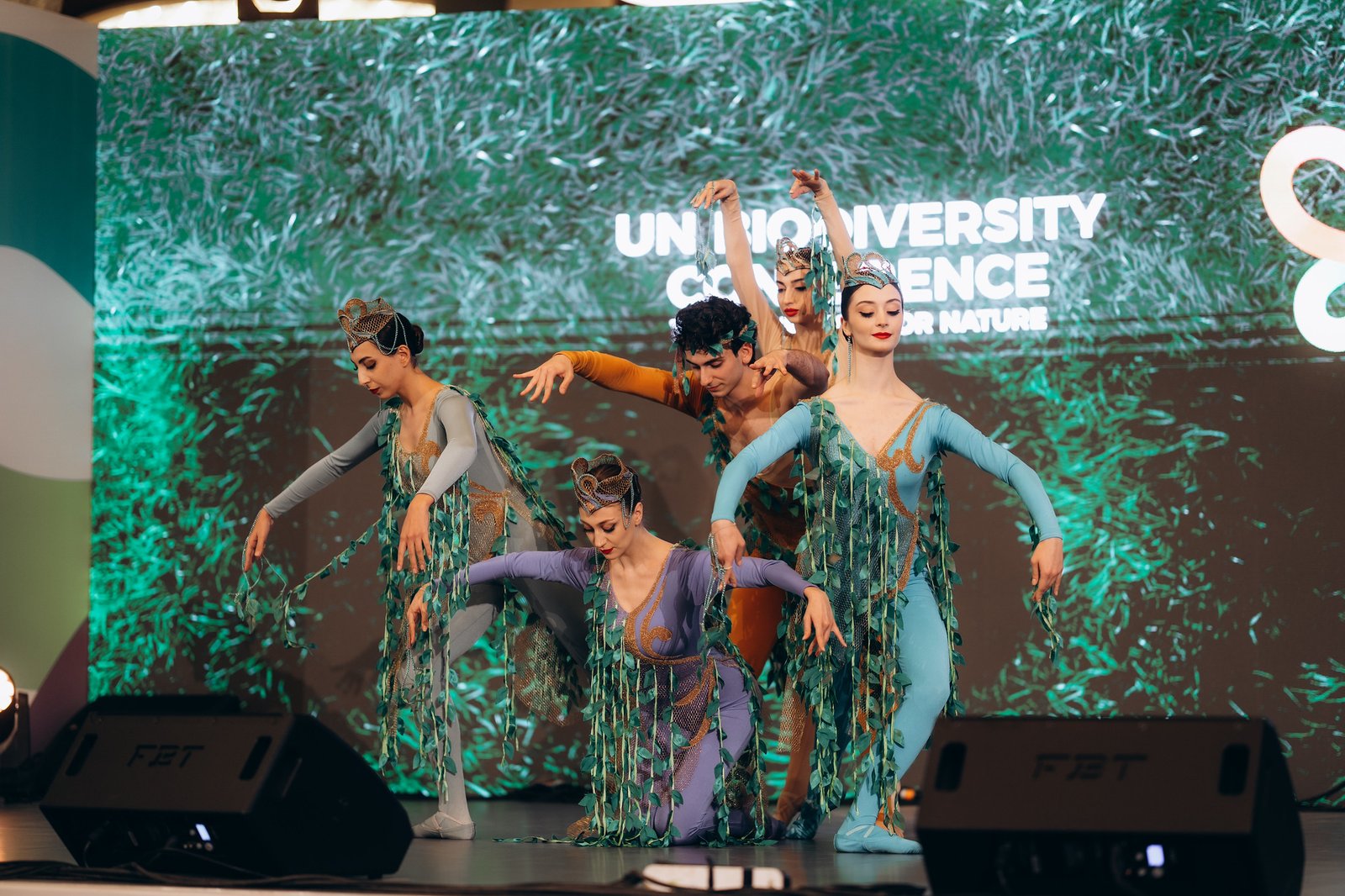
Yerevan, October 31, 2026 — The 17th UN Biodiversity Conference (CBD COP17) concluded in Yerevan with the adoption of nearly 50 decisions and a new Yerevan Pathway aimed at accelerating implementation of the Kunming-Montreal Global Biodiversity Framework (KMGBF), as countries acknowledged that the world remains off track to meet its 23 biodiversity targets by 2030.
The conference brought together the parties to the Convention on Biological Diversity (CBD), the Cartagena Protocol on Biosafety and the Nagoya Protocol on Access and Benefit-sharing. Its first global review of collective progress drew on the State of Biodiversity Action report, which highlighted the need for faster and more coordinated action.
The Yerevan Pathway sets priorities for the remaining years to 2030, including phasing out or reforming subsidies and incentives harmful to nature, increasing financial and technical support for developing countries, integrating biodiversity into national budgets and economic planning, and strengthening implementation, monitoring and reporting.
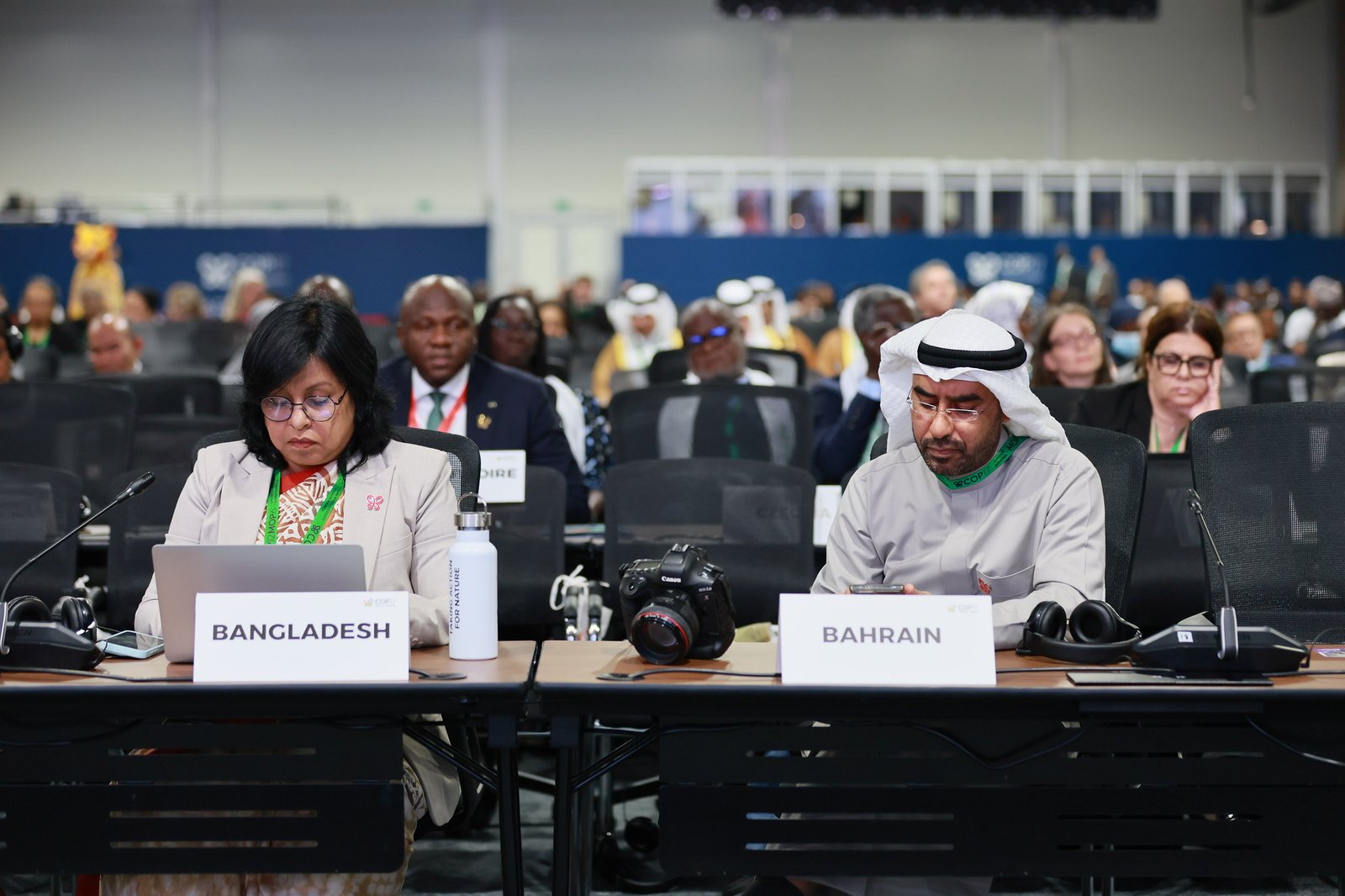
“Over these two weeks we have demonstrated that differences can be bridged, commitments can become decisions and cooperation can deliver,” said COP17 President Hambardzum Matevosyan. He said the pathway reflected a collective determination to strengthen national implementation, mobilise resources, advance science and ensure participation across society.
CBD Executive Secretary Astrid Schomaker said the next four years must bring accelerated implementation and alignment with the global framework. “We cannot protect nature while continuing to finance its destruction,” she said, stressing that resources must reach countries and communities in need and biodiversity must be incorporated into everyday economic decisions.
Negotiated decisions covered protected areas and forest biodiversity, sustainable wildlife management, invasive alien species, marine and coastal biodiversity, synthetic biology, biodiversity mainstreaming and risk assessment of living modified organisms.
A major institutional outcome was agreement on the operating rules for the permanent subsidiary body on Article 8(j), named the Sevan Guidelines. The decision is intended to strengthen the participation of Indigenous peoples and local communities in global biodiversity policy and implementation.
The conference also saw announcements of nearly US$2 billion in biodiversity-related funding and initiatives. These included US$560 million through the Global Environment Facility’s ninth replenishment and its Global Biodiversity Framework Fund, US$500 million for the Species Recovery Alliance, and more than US$330 million through the Value Nature Fund, which aims to mobilize private investment for nature.
Other initiatives included efforts to reform harmful incentives, a biodiversity bond and investment incubator launched by the Asian Development Bank, a proposed model framework law on forests, and new indicators and metrics to strengthen biodiversity monitoring and accountability.
Civil society calls for implementation, accountability
Civil society groups and biodiversity advocates welcomed the continued multilateral commitment to the KMGBF, while underscoring that negotiated decisions and financial announcements must translate into measurable action on the ground.
Key concerns included the persistent biodiversity finance gap, the continued flow of public and private finance toward activities that damage nature, and the need to ensure that Indigenous peoples and local communities have meaningful participation in decisions affecting their lands, resources and livelihoods.
Advocates also stressed the importance of transparent monitoring, stronger accountability and equitable access to funding, technology and scientific knowledge—particularly for developing countries and communities directly involved in conservation.
UN Environment Programme Executive Director Inger Andersen said the conference had focused on accelerating implementation of the global biodiversity framework. “In Yerevan, we saw environmental multilateralism prevail once again,” she said, adding that countries had reached compromises and agreed decisions intended to support progress for people and the planet.
With four years remaining to achieve the world’s biodiversity targets, the focus now shifts to national implementation of the Yerevan decisions. Progress will be measured through changes in policies, delivery of resources and tangible improvements for nature and people.
The next Conference of the Parties to the CBD, COP18, is scheduled to be held in Ecuador in 2028, providing another major milestone in the effort to meet the 2030 biodiversity targets.