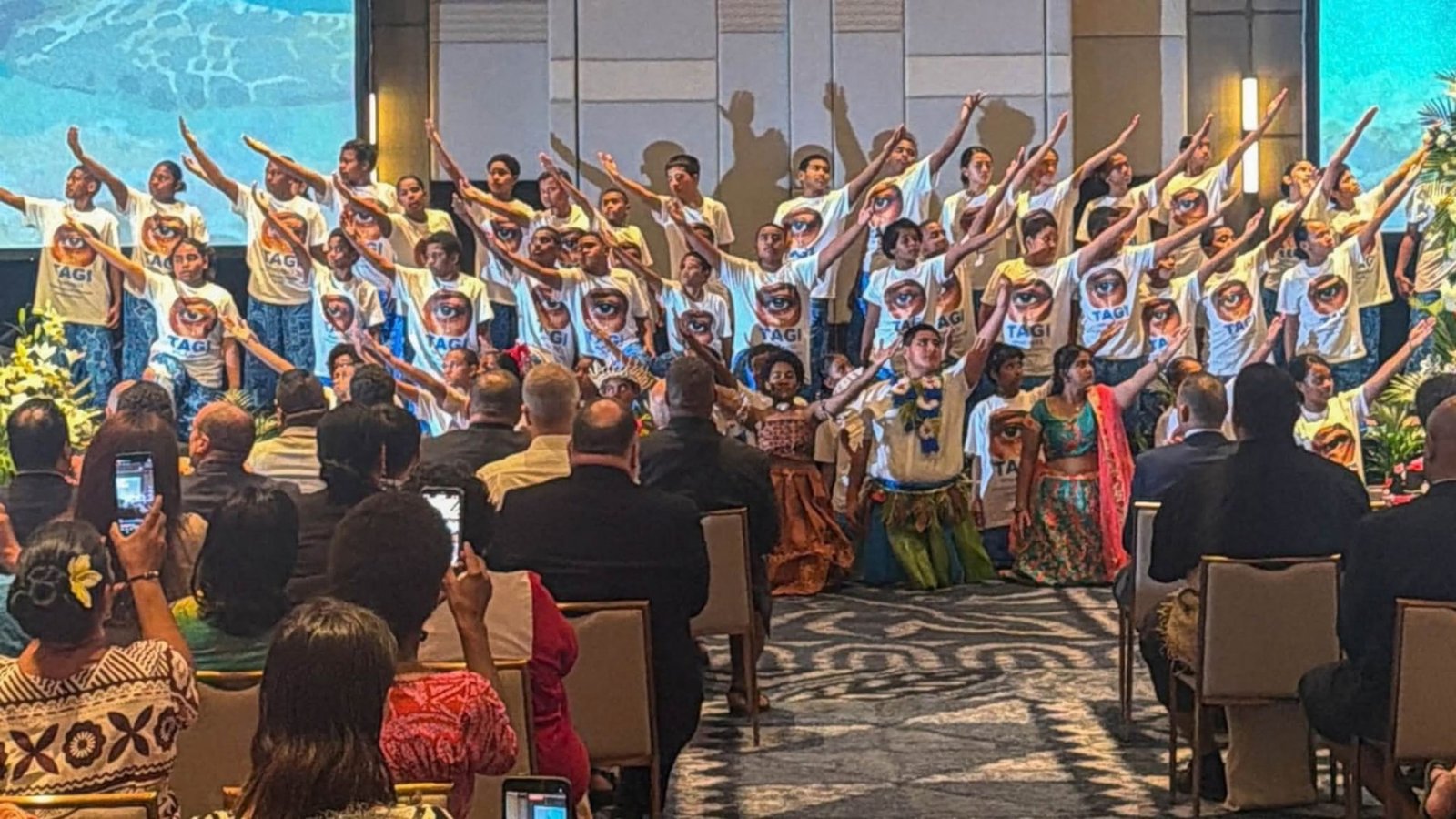
NADI, Fiji, October 5, 2026 (EP Desk) - The Pacific Pre-COP31 opened in Nadi on Monday, bringing ministers, climate negotiators and stakeholders from more than 50 countries together ahead of the UN climate conference, COP31, in Antalya, Türkiye, in November.
Co-hosted by Fiji, Australia and Tuvalu from October 5 to 8, the four-day gathering is designed to put Pacific priorities more firmly at the center of the global climate negotiations. A parallel Leaders’ Event is being held in Tuvalu on October 5-6.
The political significance of the meeting extends beyond its formal role as a preparatory gathering. For Pacific island states facing rising seas, extreme weather and growing climate-related displacement, the Pre-COP is an opportunity to press for stronger action on the 1.5°C goal, greater access to climate finance, protection of the oceans and a stronger voice for vulnerable communities in global decision-making.
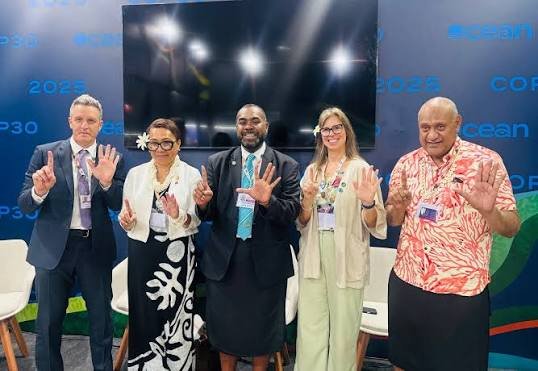
Pacific Demands Action, Not Just Commitments
The opening-day message from Pacific leaders was clear: climate-vulnerable countries do not want to remain merely subjects of climate diplomacy. They want their experiences, priorities and solutions to influence the decisions taken at COP31.
Fiji’s Foreign Ministry said the week began with an Ecumenical Sunday Service in Nadi, bringing regional leaders, delegates and stakeholders together around the principle that Pacific communities and their lived experiences should remain at the heart of international climate action.
UN Climate Change Executive Secretary Simon Stiell also used the opening of the meeting to highlight the health consequences of extreme heat, particularly for pregnant women, unborn children and newborns. His intervention underlined a broader shift in climate discussions toward the direct human consequences of a warming world.
The Tuvalu Leaders’ Event is placing those consequences in a highly visible setting, with leaders visiting adaptation projects involving reclaimed land, coastal resilience and solar energy. The intention is to demonstrate that Pacific states are not only demanding international support but are also developing locally driven responses to climate risks.
Governments Seek a Stronger Pacific Voice
For Pacific governments, the central political challenge is how to translate the 1.5°C target into concrete emissions cuts, finance and implementation.
Fiji has sought to bring governments, civil society, businesses, researchers, youth and communities into the Pre-COP process. The official stakeholder program is explicitly designed to connect traditional and community knowledge with science and policy.
Australia, which holds the presidency of the COP31 negotiations, is presenting the Pre-COP as an opportunity to elevate Pacific priorities ahead of the Antalya negotiations. The official COP31 framework describes the meeting as a platform to amplify Pacific voices and showcase Pacific-led climate solutions.
However, the limited participation of senior leaders from outside the Pacific has emerged as an important political issue. Reuters reported before the meeting that attendance by international leaders was lower than hoped, raising concerns about whether the Pacific’s climate priorities are receiving the level of global political attention that island governments have sought.
This creates a central test for the Pre-COP: whether Pacific demands can move from regional advocacy into concrete negotiating positions supported by major economies and major emitters.
Civil Society Pushes Beyond Government Commitments
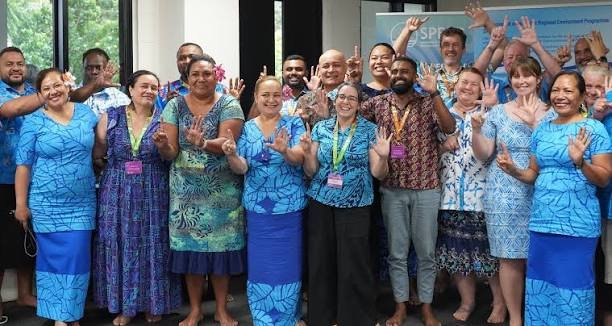
The Pre-COP’s parallel stakeholder program is considerably broader than a conventional diplomatic meeting. The Vale ni Vanua – Knowledge Exchange program brings together governments, NGOs, the private sector, academia, scientists, youth and the public. It has published 135 sessions for October 5-8.
The first day’s program reflected the breadth of civil society concerns. Sessions addressed the implementation gap on Loss and Damage, adaptation finance, just transition, Pacific-led renewable energy, climate mobility, disability-inclusive climate action and community-based resilience.
A particularly important theme is the demand to move from climate policy commitments to implementation. Discussions on bridging the gap between Loss and Damage policy and implementation, expanding finance for small island developing states and building integrated climate finance mechanisms demonstrate where civil society believes the negotiations must move next.
Climate campaigners are also pressing for a much faster shift away from fossil fuels. 350.org has criticized Australia’s approval of the Hunter Valley Operations coal mine expansion shortly before the Pre-COP, arguing that the project could generate about 800 million tonnes of additional climate pollution and is inconsistent with efforts to keep the 1.5°C goal within reach.
Greenpeace has similarly argued that Pacific solidarity must translate into concrete action rather than remain at the level of speeches and diplomatic declarations.
This exposes one of the central tensions surrounding COP31: governments are increasingly talking about renewable energy and climate resilience, while civil society is demanding clearer limits on new fossil-fuel development.
What It Means for Bangladesh
The Pacific Pre-COP has direct relevance for Bangladesh. Like the Pacific island states, Bangladesh is highly exposed to sea-level rise, extreme weather, climate displacement and the economic consequences of climate change.
Three issues emerging from Fiji are particularly relevant to Dhaka’s COP31 agenda: adaptation finance, Loss and Damage and affordable access to climate finance.
As of October 5, publicly available sources reviewed for this report do not provide sufficiently reliable confirmation of the presence of a specific Bangladeshi government representative or delegation at the Pacific Pre-COP. It would therefore be premature to identify an individual participant without official confirmation.
Bangladesh will nevertheless have a strong interest in the issues being raised in Fiji. Its COP31 agenda is likely to intersect with the Pacific call for greater access to finance, particularly as Bangladesh approaches its LDC graduation and faces questions over future access to concessional and vulnerability-based climate finance.
The Pacific discussion also reinforces a point important for Bangladesh: climate finance is increasingly being framed not simply as a question of financial volume, but also of access, speed, concessionally and whether finance reaches communities facing the greatest climate risks.
The Next Three Days
The discussions on October 6 will continue alongside the Tuvalu Leaders’ Event, where climate adaptation, sea-level rise, coastal protection, land reclamation and renewable energy will remain prominent. In Nadi, stakeholder sessions will continue to examine climate finance, oceans, health, justice and Pacific-led solutions.
On October 7, the ministerial and negotiating discussions are expected to intensify. The focus is likely to include the 1.5°C goal, climate finance, adaptation, clean-energy transition and how Pacific priorities can be reflected in the formal COP31 negotiating process.
By October 8, the Pre-COP process in Fiji is expected to conclude, providing political signals and areas of possible convergence ahead of the November negotiations in Antalya.

Three Questions Will Define the Outcome
The opening day has effectively placed three questions at the center of the road to COP31.
First, can governments translate the 1.5°C goal into stronger and measurable action?
Second, can vulnerable countries secure climate finance that is not only larger in volume but also faster, more accessible and more affordable?
Third, can the voices of Pacific communities, Indigenous peoples, women, youth and frontline communities influence actual decisions rather than remain part of the consultation process?
The Pre-COP cannot resolve all these issues in four days. But its political significance will depend on whether the Pacific’s concerns are carried from Nadi and Tuvalu into the negotiating rooms of Antalya.
For the Pacific, the objective is therefore larger than hosting another preparatory meeting. It is an attempt to shift the center of gravity of COP31 toward the people and communities already living with the consequences of a changing climate—and to turn the region’s demand for climate justice into concrete political and financial commitments.