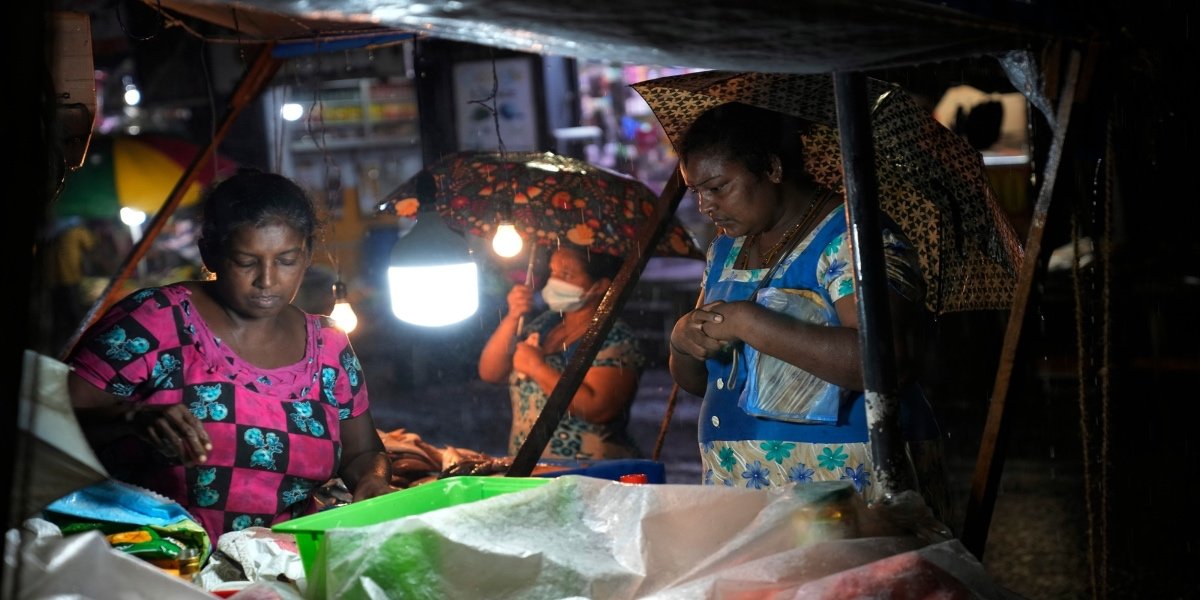
COLOMBO, October 19, 2026 - Sri Lanka has introduced nationwide electricity rationing following a breakdown of the national power grid caused by a fault at a coal-fired power plant, exposing challenges in balancing conventional and solar power generation. Report BSS/AFP
The state-run electricity utility announced that power cuts would be imposed in stages across the island from Monday evening, with each area experiencing an outage of about one hour within a four-hour period.
“We are doing this initially for three days, until we are able to get the coal-fired plant up and running,” utility spokesman Buddhika Samarasekara told reporters in Colombo.
The nationwide blackout occurred on Saturday after a malfunction affected one of three generators at a 900-megawatt coal-fired power complex north of the capital.
The breakdown has left the country with a power shortfall of approximately 300 megawatts, Samarasekara said.
“We now have a shortage of 300 megawatts. We will have this problem until the coal plant is restarted and connected,” he added.
The restoration of electricity supplies has been complicated by the growing number of rooftop solar installations, which continued generating power even after the national grid shut down.
Tax incentives have encouraged households and businesses to install solar panels and sell surplus electricity to the grid. However, the rapid growth of distributed solar generation has created additional challenges for grid management and system stability.
Authorities needed around 11 hours to restore electricity following Saturday’s blackout, repeatedly urging rooftop solar system owners to disconnect their installations to help stabilize the network.
The incident follows a similar nationwide grid failure in February 2025, when solar power generation exceeded electricity consumption on a bright, sunny day.
Sri Lanka currently has an installed solar power capacity of just over 3,000 megawatts, while daytime electricity demand ranges from 2,000 to 2,500 megawatts.
The government aims to increase installed solar power capacity to nearly 4,400 megawatts within three years, representing a 388 percent increase from the 2024 level.
While expanding solar generation can reduce dependence on imported fuels and lower electricity costs, the recent outages highlight the importance of strengthening grid infrastructure and improving the management of variable renewable energy.
The growing contribution of rooftop solar also underscores the need for better coordination between distributed generators and the national electricity network.
Sri Lanka’s latest power crisis illustrates the challenges facing countries seeking to accelerate renewable energy deployment while maintaining reliable electricity supplies. Grid modernization, improved system controls and appropriate technical standards for rooftop solar connections will be essential to ensuring that the transition to cleaner energy does not compromise power-system stability.