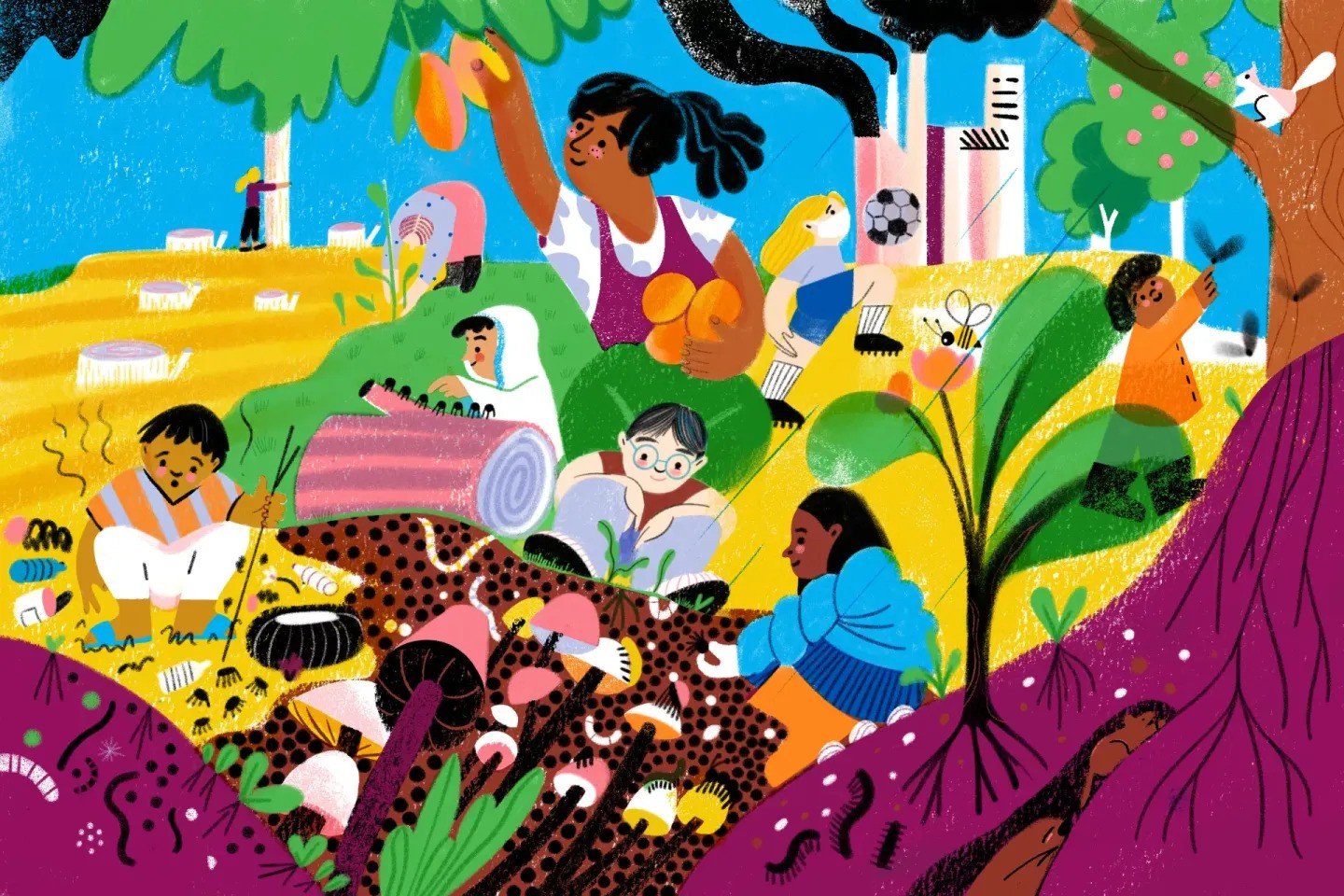
YEREVAN, Armenia, October 16, 2026: UNICEF has called on governments, development partners, businesses and civil society to place children and young people at the centre of global biodiversity action, warning that biodiversity loss, climate change and pollution pose a serious threat to children’s rights, health and well-being.
In a statement to the 17th Conference of the Parties to the Convention on Biological Diversity (COP17), UNICEF stressed that every child has the right to a clean, healthy and sustainable environment.
Children depend on biodiversity for nutritious food, clean water, fresh air and protection from environmental hazards. However, biodiversity loss disproportionately exposes them to malnutrition, infectious diseases, pollution and climate-related disasters.
UNICEF noted that more than one in four deaths among children under five are attributable to unhealthy environments. It also highlighted the importance of access to nature for children’s physical health, cognitive development and mental well-being.
The organization called for children’s rights to be integrated into National Biodiversity Strategies and Action Plans, with policies addressing their needs in health, education, nutrition, water security and protection.
It also urged governments to increase funding for child-responsive biodiversity and climate initiatives, prioritizing ecosystem restoration and nature-based solutions that strengthen schools, healthcare facilities, water systems and social protection programs.
Other recommendations include protecting forests, wetlands, pollinators and urban green spaces; promoting nutritious and sustainable food systems; expanding biodiversity education; and ensuring that children and young people participate meaningfully in environmental decision-making.
UNICEF further called for child-sensitive indicators in biodiversity monitoring and financing mechanisms, alongside stronger recognition of Indigenous and rural children’s rights and participation in protected-area governance.
The statement emphasized that biodiversity conservation is not merely an environmental priority but a fundamental investment in children’s futures. It urged governments to translate global commitments into practical action that enables every child to survive, develop and thrive in a healthy and sustainable environment.