Green Zone brings nature conservation closer to the public as world leaders face growing pressure to turn biodiversity commitments into action
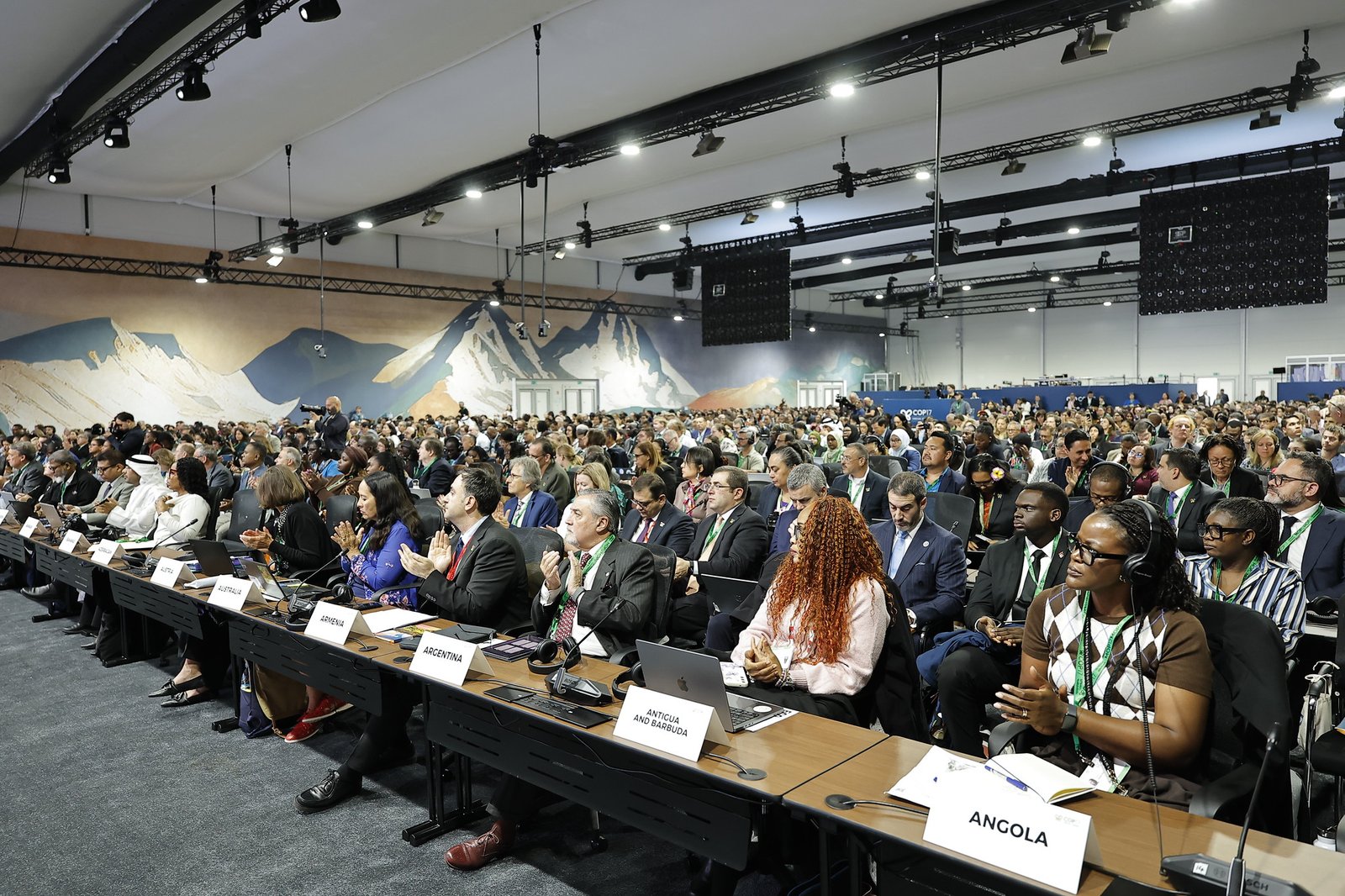
YEREVAN, October 19, 2026: The 17th Conference of the Parties to the UN Convention on Biological Diversity (CBD COP17) officially opened in Yerevan, Armenia, on Monday, bringing governments, international organizations, scientists, civil society representatives and other stakeholders together to accelerate global action against biodiversity loss.
Held under the theme “Taking Action for Nature,” the conference will run until October 30, focusing on the implementation of the Kunming-Montreal Global Biodiversity Framework (KMGBF), adopted in 2022, and the urgent need to translate its commitments into measurable results by 2030.
The opening ceremony at the Meridian Expo and Event Centre was attended by Armenian Prime Minister Nikol Pashinyan, senior government officials, CBD Executive Secretary Astrid Schomaker, international delegates and representatives of the biodiversity community.
The program included the screening of the artistic film Trace, a video presentation on nature and culture, and the presentation of outcomes from the Leaders for Nature Summit held in Yerevan on October 16.
In his address, Pashinyan welcomed the international community to Armenia and stressed the importance of dialogue, mutual respect and cooperation in addressing biodiversity loss. The conference, he indicated, offered an opportunity for countries to work together towards a more sustainable future.
Schomaker also highlighted the significance of international cooperation at a time of mounting environmental challenges. Praising Armenia’s preparations, she said, “Armenia is extending its hospitality to the fullest, and anyone who spends even a few hours here will immediately feel the kindness and warmth of your people.”
She emphasized that the conference would provide an important opportunity to assess collective progress and advance efforts to protect nature.
New presidency calls for measurable results
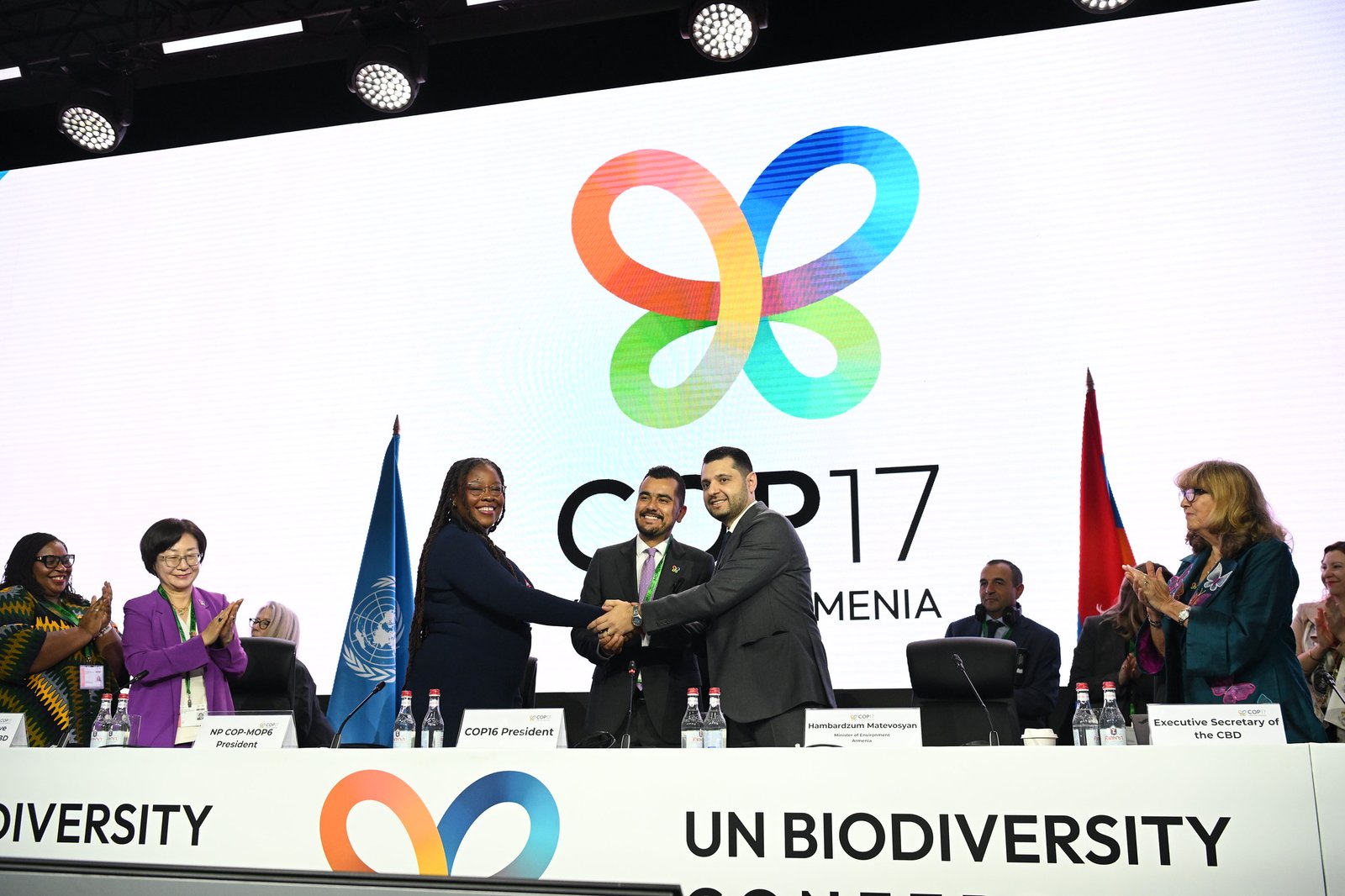
During the opening plenary, Armenia’s Environment Minister Hambardzum Matevosyan was elected President of COP17 for a two-year term.
Matevosyan pledged to lead the process impartially, ensure inclusive participation and help countries bridge differences through dialogue.
“I undertake this responsibility with a commitment to serve all Parties impartially, ensure that everyone’s voice is heard, and turn our collective efforts into tangible results,” he said.
He described Yerevan as an opportunity to assess progress and agree on practical measures to accelerate implementation of the global biodiversity framework.
“To meet the targets set for 2030, we need to accelerate our efforts, turning commitments into real change,” Matevosyan said.
His remarks reflected the central challenge facing the conference: global commitments have expanded, but implementation remains insufficient to achieve the agreed targets.
Global biodiversity targets face an implementation gap
COP17 marks the first global review of collective progress under the KMGBF, which establishes 23 targets for 2030. These include conserving 30 percent of the world’s land and sea, restoring degraded ecosystems, reducing pollution and reforming environmentally harmful subsidies.
However, the latest assessments indicate that the world remains off track on most of these commitments. Although progress has been made in expanding protected areas, action on several other targets remains inadequate.
Financing is expected to be a major issue during the negotiations. Developing countries have repeatedly stressed that ambitious conservation commitments must be accompanied by adequate, predictable and accessible financial support, technology transfer and capacity-building.
The framework calls for mobilizing at least US$200 billion annually for biodiversity by 2030, including increased international financial flows to developing countries. Governments must also address incentives that encourage activities harmful to nature.
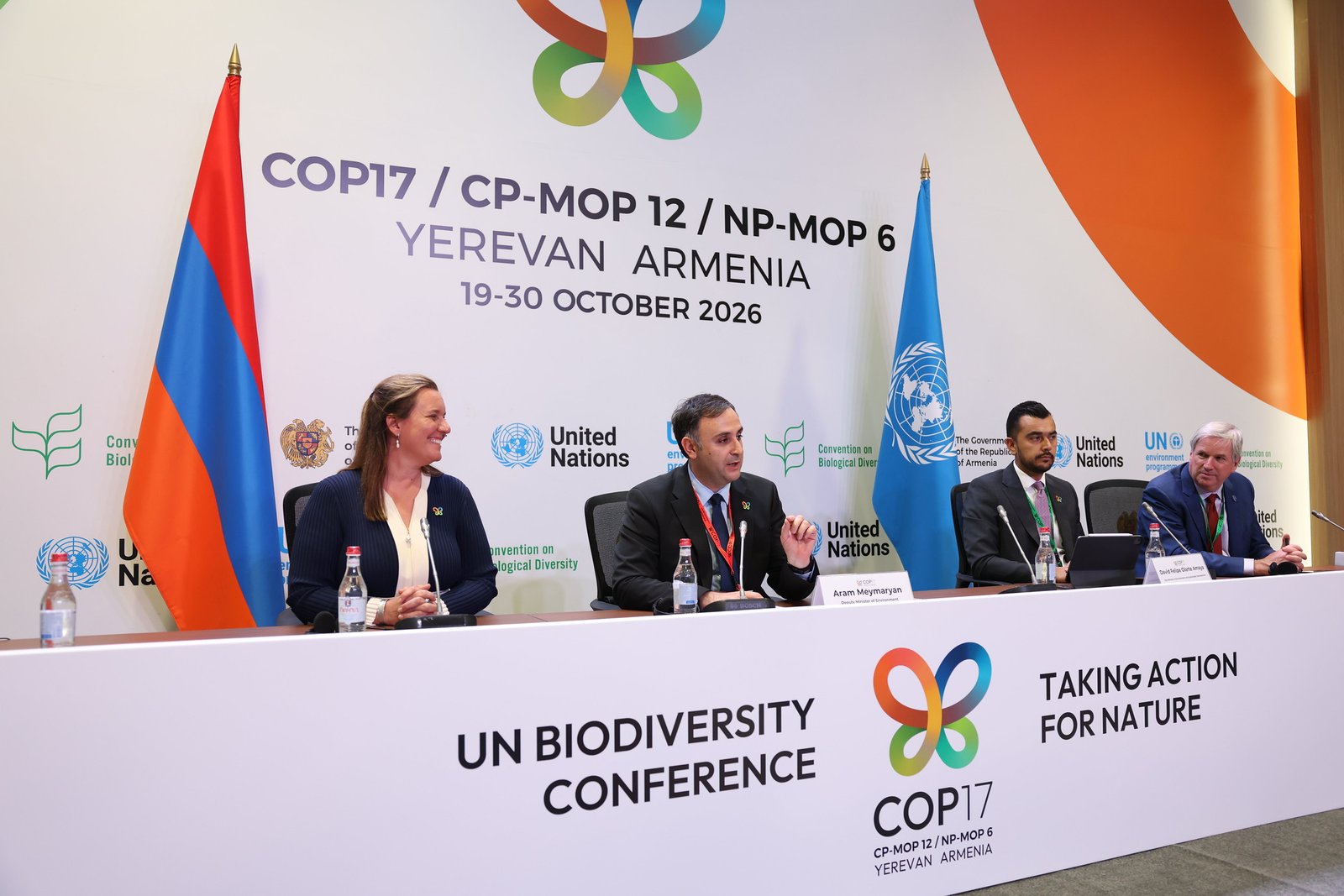
At a media briefing ahead of the conference, Eva Zabey, chief executive of Business for Nature, highlighted the broader economic implications of biodiversity loss.
“This isn’t primarily a story about conservation,” she said. “It’s an economic, fiscal, political and competitiveness story, which is grounded in resilience and resource security.”
Her remarks underline why biodiversity protection is increasingly being discussed in relation to food security, economic stability, business investment and the resilience of supply chains.

Green Zone opens nature agenda to the public
Alongside the official negotiations, COP17’s Green Zone opened as a public-facing platform designed to connect biodiversity policy with communities, young people, businesses and the wider public.
Located at the Karen Demirchian Sports and Concert Complex in Yerevan, the Green Zone is intended to showcase practical solutions and encourage broader participation in nature conservation.
Its program features exhibitions, presentations of innovative projects and technologies, interactive installations, community discussions, film screenings and cultural events. Daily sessions bringing together scientists and experts are also intended to help visitors understand environmental challenges and explore possible solutions.
Unlike the Blue Zone, where formal negotiations and official meetings take place, the Green Zone provides a more accessible space for civil society organizations, youth groups, researchers, artists, innovators and members of the public.
The platform is expected to highlight community-led conservation, environmental education, sustainable practices and innovative approaches to protecting ecosystems. It also offers opportunities for organizations and businesses to demonstrate how their activities can contribute to biodiversity goals.
By bringing scientific knowledge, cultural expression and practical initiatives into the public sphere, the Green Zone seeks to make the global biodiversity agenda more understandable and relevant to everyday life.
Press briefings highlight the urgency of action
Media coverage and briefings surrounding the opening have focused on the gap between global promises and actual implementation, with biodiversity finance, harmful subsidies and accountability emerging as major concerns.
The discussions have also highlighted the need for stronger engagement from the private sector. Businesses that depend on natural resources face growing risks from ecosystem degradation, while their investment decisions can influence whether economic activity supports conservation or accelerates environmental damage.
The Cali Fund, established to support benefit-sharing from the commercial use of digital sequence information on genetic resources, is another issue drawing attention. Its effectiveness will depend on meaningful contributions and fair distribution of benefits, including to countries and communities that help preserve biodiversity.
For developing countries such as Bangladesh, the negotiations carry particular importance. Biodiversity loss threatens forests, wetlands, rivers, coastal ecosystems and marine resources, while climate change and unsustainable resource use intensify pressure on vulnerable communities.
COP17 therefore offers an opportunity to strengthen international cooperation, improve access to finance and technology, and ensure that global commitments translate into practical action at the national and local levels.
As negotiations proceed in Yerevan, the central question is whether governments can agree on a credible pathway to accelerate implementation before the 2030 deadline. The opening day’s message was clear: protecting nature requires more than declarations—it demands financing, accountability, inclusive participation and sustained action.