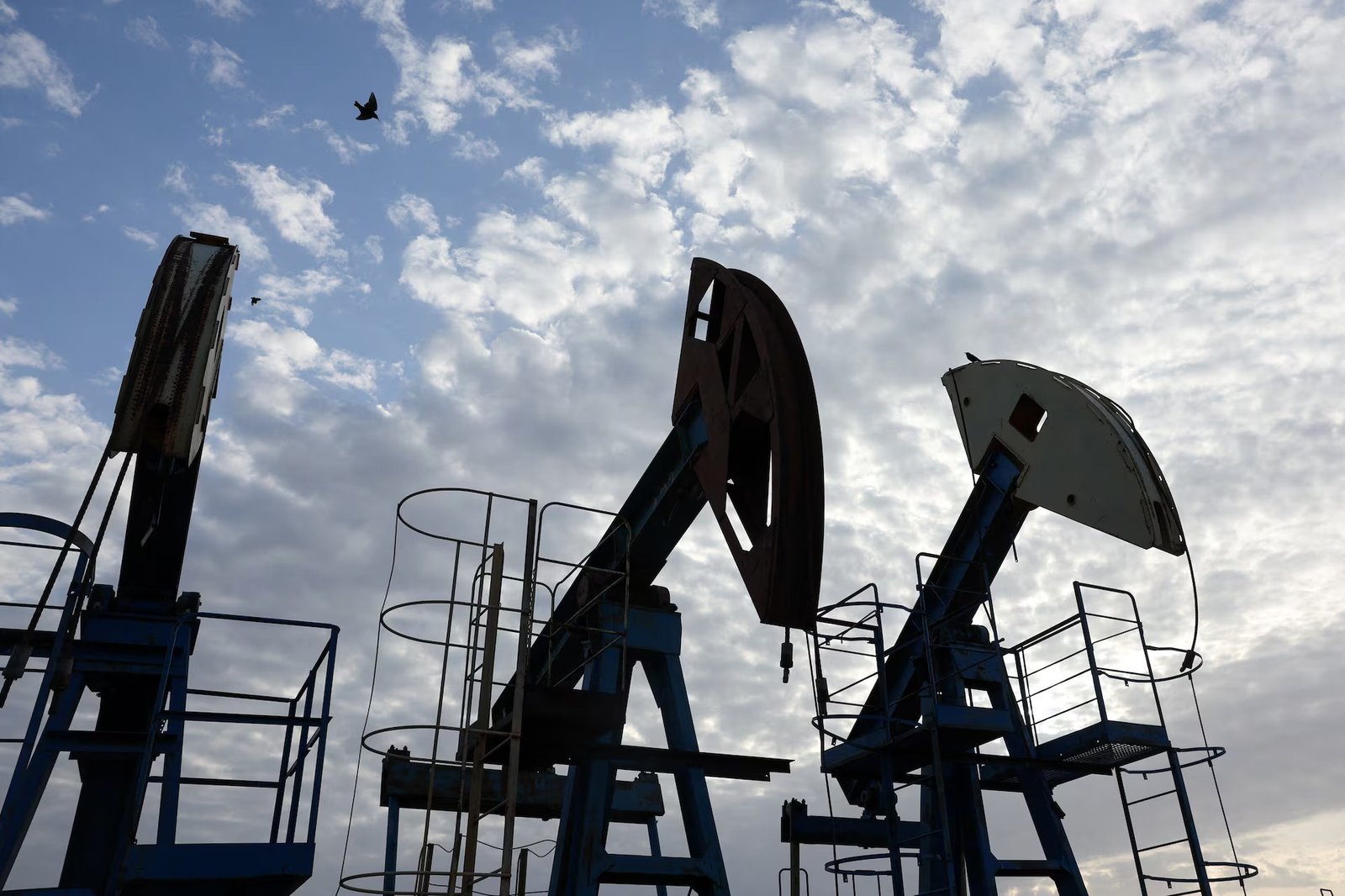
Global oil prices surged to their highest level in a month on Tuesday as renewed military tensions in the Middle East and growing security risks in the Strait of Hormuz heightened concerns over potential disruptions to global energy supplies.
West Texas Intermediate (WTI) crude for August delivery rose 1.5 percent to settle at US$79.34 per barrel, while Brent crude for September delivery gained 1.7 percent to close at US$84.73 per barrel.
The market was initially rattled by U.S. President Donald Trump’s proposal to impose a 20 percent charge on cargo shipments passing through the Strait of Hormuz. However, Trump later withdrew the proposal following concerns raised by Gulf allies, easing fears of additional shipping costs but doing little to calm worries over regional security.
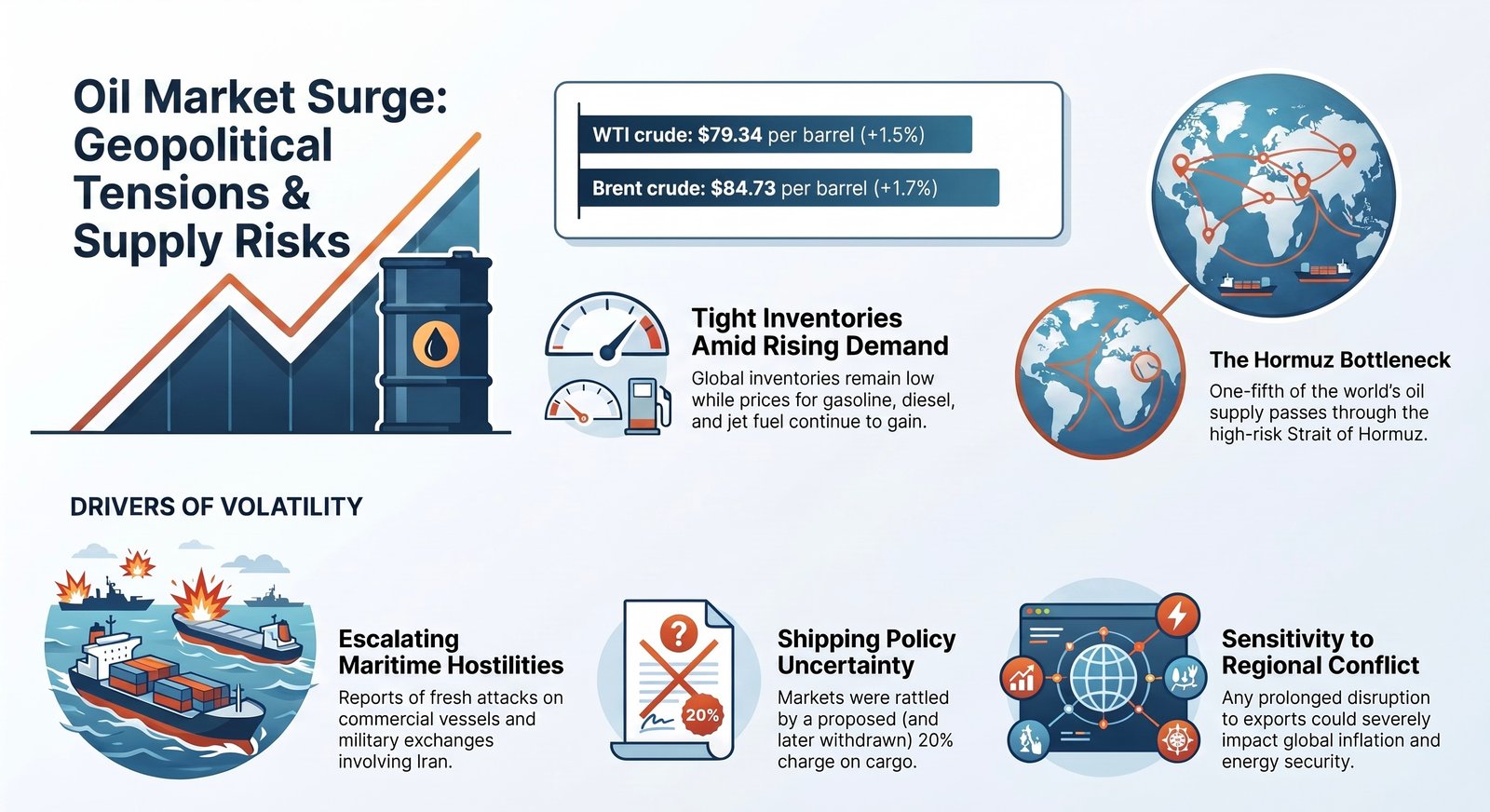
Oil prices continued to gain as reports emerged of fresh attacks on commercial vessels linked to Gulf countries and renewed military exchanges involving Iran. The Strait of Hormuz, through which around one-fifth of the world’s oil supply passes, remains under heightened security risks amid escalating hostilities.
Analysts warned that continued tensions could expose the global oil market to further supply shocks. They noted that although producers have increased exports in recent weeks, global inventories remain relatively tight while refined fuel markets—including gasoline, diesel and jet fuel—continue to experience strong price gains.
According to market analysts, the combination of geopolitical uncertainty, low inventories and concerns over shipping disruptions is expected to keep oil prices volatile in the coming weeks unless tensions in the region ease significantly.
The latest rally underscores the energy market’s sensitivity to developments in the Gulf, where any prolonged disruption to crude exports could have far-reaching implications for global energy security and inflation.