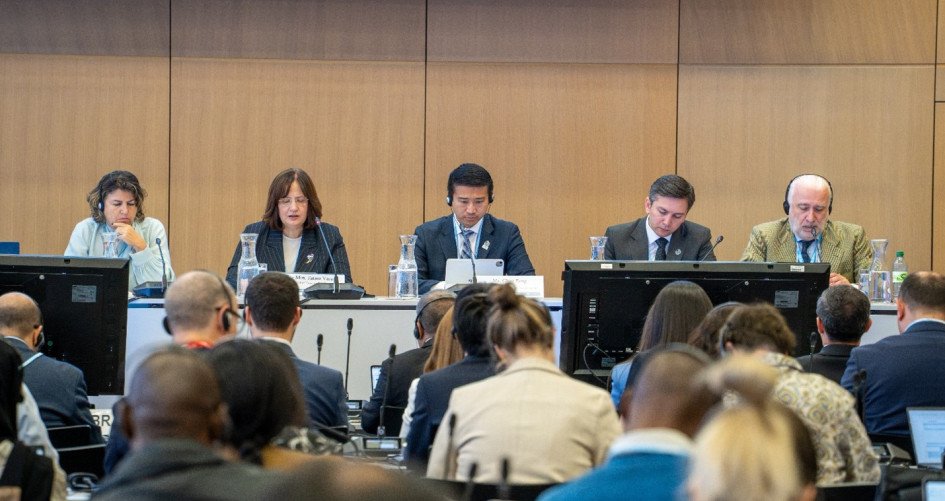
Bonn 17 June, 2026 - At the June Climate Meetings in Bonn, leaders and experts reaffirmed that transparency under the Paris Agreement is evolving beyond a reporting obligation. Under the Enhanced Transparency Framework (ETF), it is increasingly seen as a practical tool that strengthens climate policy, improves decision-making, and helps convert commitments into real-world results.
High-Level Dialogue at SB64 in Bonn
A high-level dialogue on climate transparency was convened by UN Climate Change through the #Together4Transparency initiative, together with the COP29, COP30, and COP31 Presidencies and the Baku Global Climate Transparency Platform.
The meeting brought together government officials, heads of delegation, international organizations, and technical experts to assess progress in implementing the ETF and to sustain political momentum ahead of upcoming reporting cycles.
Transparency as a Policy and Investment Tool
Speakers emphasized that transparency systems—especially Biennial Transparency Reports (BTRs)—play a central role in shaping global climate governance.
• They inform the global stocktake
• Support national and international decision-making
• Improve investment conditions for climate finance
COP31 officials highlighted that transparency is not just technical reporting, but a foundation for stronger institutions, better coordination, and long-term climate transformation strategies.
Lessons from the First Reporting Cycle
Countries reflected on the completion of the first full BTR cycle under the ETF, noting valuable experience gained in data collection, institutional coordination, and policy integration.
Key insights included:
• The importance of strong national institutional frameworks
• The need for skilled technical teams
• Better integration of transparency systems across sectors
Officials from Azerbaijan noted that the first cycle has created a strong knowledge base to support the next round of reports, particularly as countries implement updated climate commitments such as new NDCs and national adaptation plans.
Ongoing Challenges and Capacity Gaps
Despite progress, participants highlighted persistent challenges, especially for developing countries.
COP30 representatives stressed that implementation must be matched with:
• More accessible financial support
• Predictable and timely technical assistance
• Capacity-building tailored to national conditions
There was broad agreement that no country should be left behind in the transition toward full ETF implementation.
International Support and Collaboration
Several international organizations—including UNEP, UNDP, the Global Environment Facility (GEF), ICAT, FAO, and the Consultative Group of Experts—presented ongoing support efforts.
These include:
• Funding for transparency systems
• Technical assistance for reporting
• Training and capacity-building programs
Participants also emphasized peer learning and international cooperation as key drivers for improving national reporting systems.
Future Priorities and Next Steps
Looking ahead, countries underscored the importance of maintaining political momentum as the next Biennial Transparency Reports are due in 2026.
Key priorities include:
• Timely submission of national reports
• Efficient technical expert reviews
• Strengthened facilitative multilateral progress assessments
UN Climate Change officials also highlighted efforts to improve efficiency and coherence in review processes to manage increasing reporting demands.
Conclusion: Sustaining Momentum for Transparency
The dialogue concluded with a shared commitment to strengthen ETF implementation through continued high-level engagement, including upcoming events such as Climate Week in Baku and COP31 meetings in Türkiye.
Overall, transparency was reaffirmed not just as a reporting mechanism, but as a strategic pillar for accelerating global climate action.