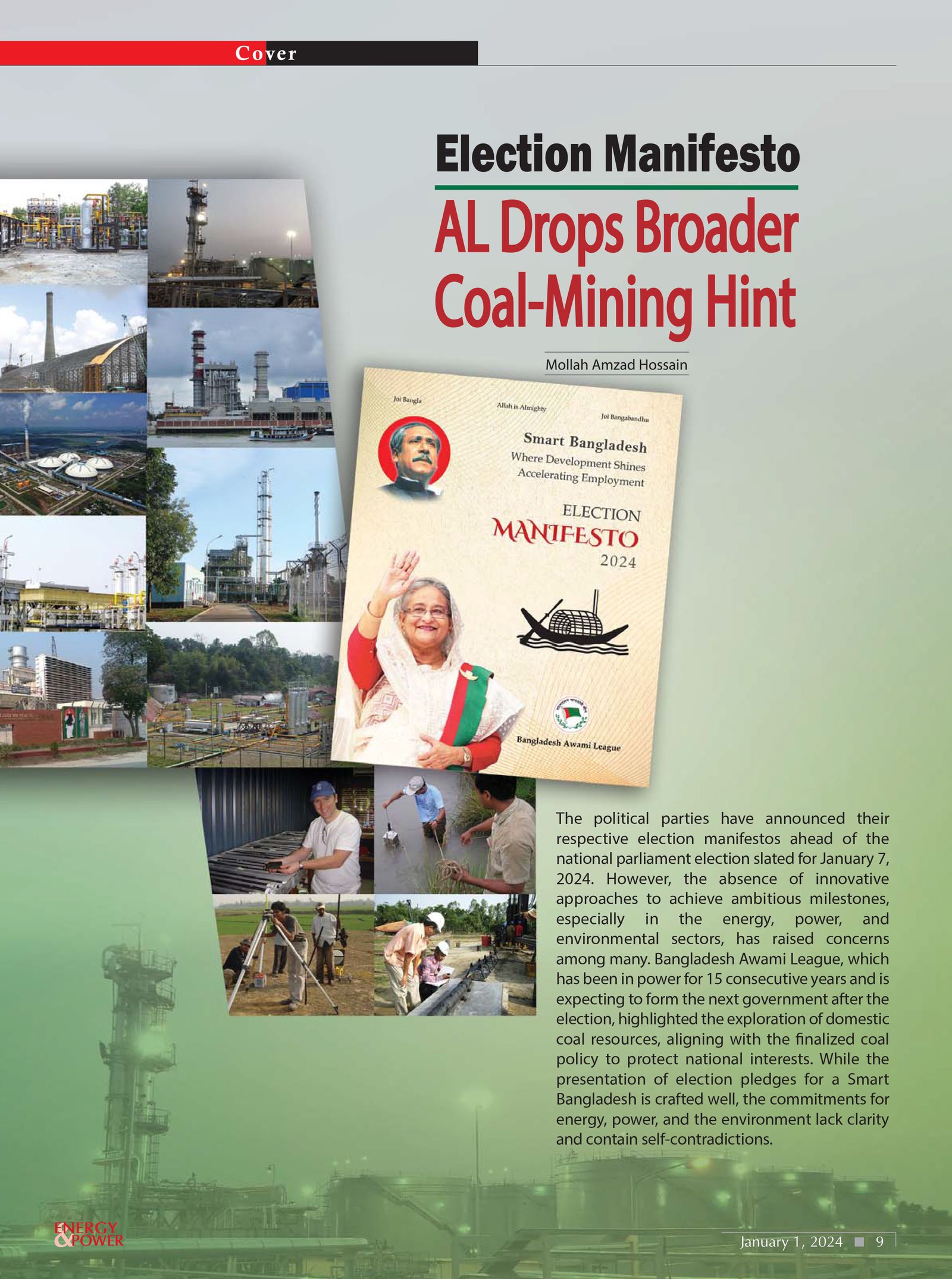
Exploration and exploitation of domestic coal resources once again featured in the election pledges of Bangladesh Awami League. However, the present government in its vision announced to generate 24,000 MW of electricity from clean sources by 2041, yet the election pledge mentions generating 10,000 MW of power from clean sources over the period. Again, the climate commitment in the manifesto mentions 20% generation, making 12,000 MW generation from clean sources.
Several milestone targets have been announced in the election pledge to achieve the smart Bangladesh vision. But pledges on crucial energy, power, and environment sectors appeared business as usual.
No innovative approaches for achieving ambitious milestones have been featured in the election pledge of the political party that has been in government for the last 15 years in consecutive three terms and is likely to be elected again in the National Parliament polls scheduled to be held on January 7. The other political parties like the Jatiya Party and Bangladesh Workers Party that are taking part in the election and unveiled their pre-election pledges by December 27 hardly pledge considerable measures for the energy and power sector, and managing the environmental impacts. Jatiya Party mentioned only four lines in this regard while the Workers Party had some slogans about the very important matter. They promised to keep the price of energy and power stable. According to them, it would be possible through curbing corruption.
The prices of energy keep soaring due to growing reliance on imported primary fuel. Other parties talked about restoring stability in prices. But Sheikh Hasina spoke about withdrawing subsidies progressively. However, the election pledge has no clear mention of it.
Awami League, however, has mentioned of exploration and exploitation of domestic coal resources to protect the national interest. It stated that this would be done following the already finalized coal policy. The election pledge committed to launching initiatives toward turning every village self-sufficient in energy under the “My Village, My Town” program.
The tendency to announce pre-election pledges started before the national election in 1996. Among others, pledges about energy, power, and environment-sector programs are featured in the pledges. Sector-relevant people observed that the election pledges played a very important role in the enviable milestones that the Awami League government achieved after winning the election in 1996. Awami League government made some remarkable achievements in the power sector and environmental impact management over the past 15 years. But it failed to fulfill the election pledge in the energy sector, and consequently, made the country progressively imported primary-fuel dependent.
The Awami League’s election pledge 2024 is a bit different in that highlights the successes achieved in the different sectors and pledges for the next five years. However, pledges in many areas differ from present policies and strategies. In the just approved IEPMP 2023, the power generation target by 2041 has been set at 60,000 MW. 40% of this or 24,000 MW has been mentioned to come from clean energy. But the election pledge states the target at 10,000 MW. Again, in the climate section, the pledge mentions vigorous efforts to achieve the 20,000 MW target from clean energy. Bangladesh Prime Minister during COP26 announced her government’s intention to achieve a 40% contribution of renewable energy by 2041.
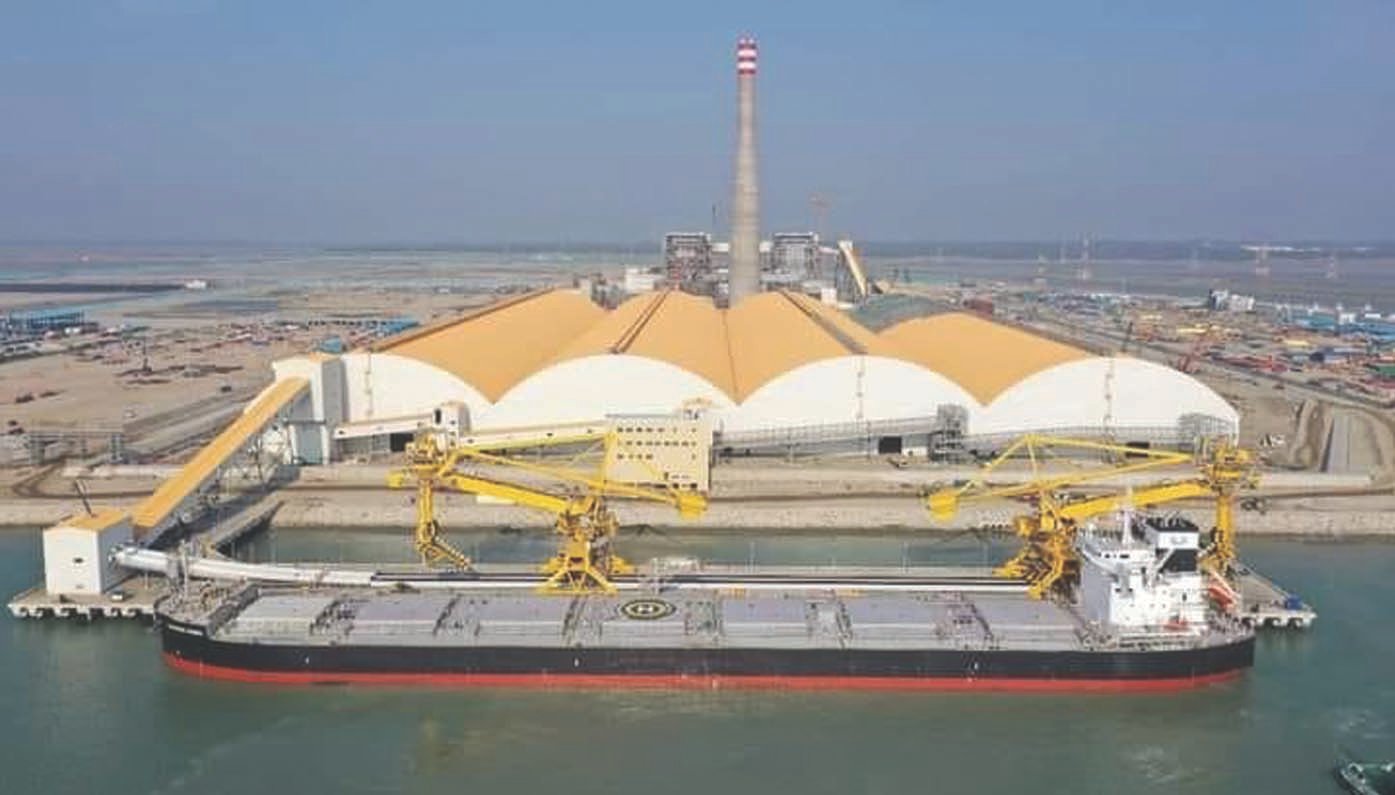
The election pledge mentions the exploitation of coal resources. The government scrapped 10 coal power projects in 2021 to limit utilization of coal. No real initiative was taken over the past 15 years for the utilization of coal resources. Does it mean that the Awami League government in its expected new term would go for mining coal in a mission to optimally utilize domestic primary fuel resources? The strategy needs clarification.
Gas supply to users connected to the gas transmission grid cannot be met. Despite that commitment to gas supply to the northern and western regions of the country is being made. Gas supply in the Khulna region could not start though gas transmission facilities were extended 10 years back. It is still not sure when it will be possible to supply gas to the Khulna region. There are no clear directives in the pledge about exploration strategy for new gas discovery. Nothing specifically has been mentioned about LNG import.
The slogan used in the pledge of Awami League after staying in state power for 15 years over three consecutive terms is “Smart Bangladesh, Where Development Shines, Accelerate Employment“. The election pledge 2024 is much different than those of the previous terms. The achievements from 1971 to 2021, perspective plans, and implementation strategies for 2041, 2071, and 2100 have been mentioned in it. We are endeavoring to discuss and review the energy and power sector plan as well as strategies for environmental impact management. It is not possible to discuss and analyze separately where the government plans to take the energy and power sector in 2041 or how they want to manage environmental impacts. For achieving sustainable development energy and the environment need to proceed hands in hand. Hence in the development strategy of many subsectors, these two are integrally associated.
Awami League President announced her vision earlier for creating all urban facilities in every village. In the election pledge 2024 attaining self-sufficiency in energy has been added along with the “My Village, My Town“ Vision of the Bangladesh Prime Minister. Biogas plants and solar power plants have been pledged for setting up such villages.
Awami League has elaborately brought forward its past successes in the power and energy sector over its past four terms in state power. About the power sector, the new pledge mentions, “Sheikh is the lone head of government in the South Asia and developing world that has successfully established energy security as the cornerstone of national security.”
The election pledge mentions:
Uninterrupted and quality power supply will be ensured.
Long-term plans will be implemented for achieving 40,000 MW generation capacity by 2030 and 60,000 MW by 2041. Rental and fuel-inefficient plants will be gradually phased out.
10,000 MW of power will be generated from clean sources. The grid will be upgraded to integrate nuclear electricity and renewable energy.
Import of power from Nepal and Bhutan will be expedited. Cross-border power trading facilities and protocols in the region will be completed as soon as possible.
The length of the transmission network will be increased to 24,000 ckt kilometers.
Energy Sector
Like the election pledges of 1996, 2008, 2014, and 2018, the pledge of 2024 also mentions the exploitation of coal resources. Pledges are.
Production has significantly increased from the drilling of new wells. Such initiative will be strengthened further.
Gas supply to the north and western regions will be ensured. The supply of gas and LPG will be significantly increased. State-owned enterprises will be strengthened for these activities.
Coal policy has been formulated giving due priority to national interest. Required priorities will be given to the exploration of coal and other minerals, according to the policy.
The country's interest will be protected while concluding agreements with international oil companies.
Arrangements for the assessment of gas reserves through reservoir study, the discovery of new gas reserves through exploration, and technology-driven best use of gas resources will be ensured.
The capacity of Bangladesh shall be enhanced to the world level through the adoption of international best practices of technology, economic use, and international norms.
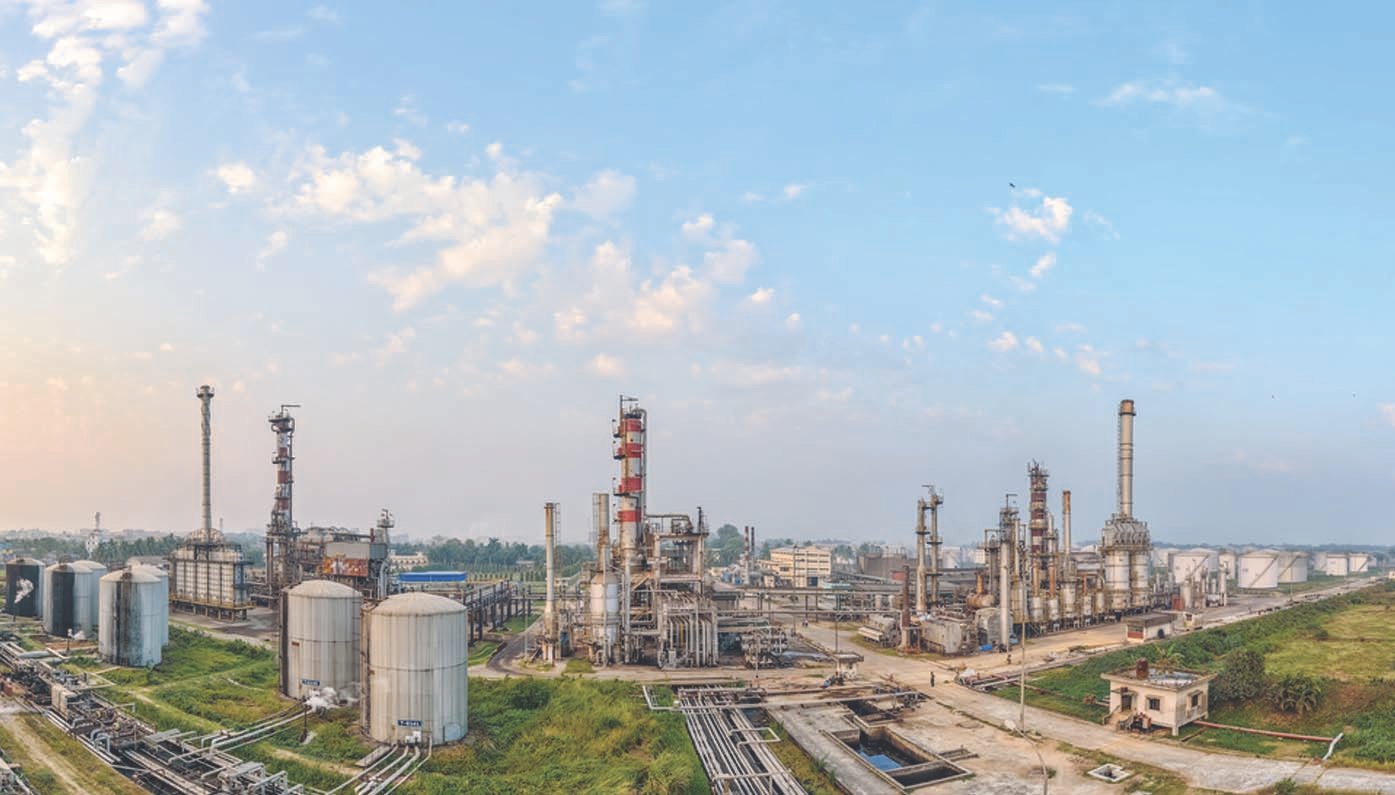
The capacity of Eastern Refinery Limited (ERL) will be increased from the existing 15 lakh tonnes to 45 lakh tonnes.
The pledges for developing a blue economy are:
Utilizing high and low tides to generate electricity from ocean waves
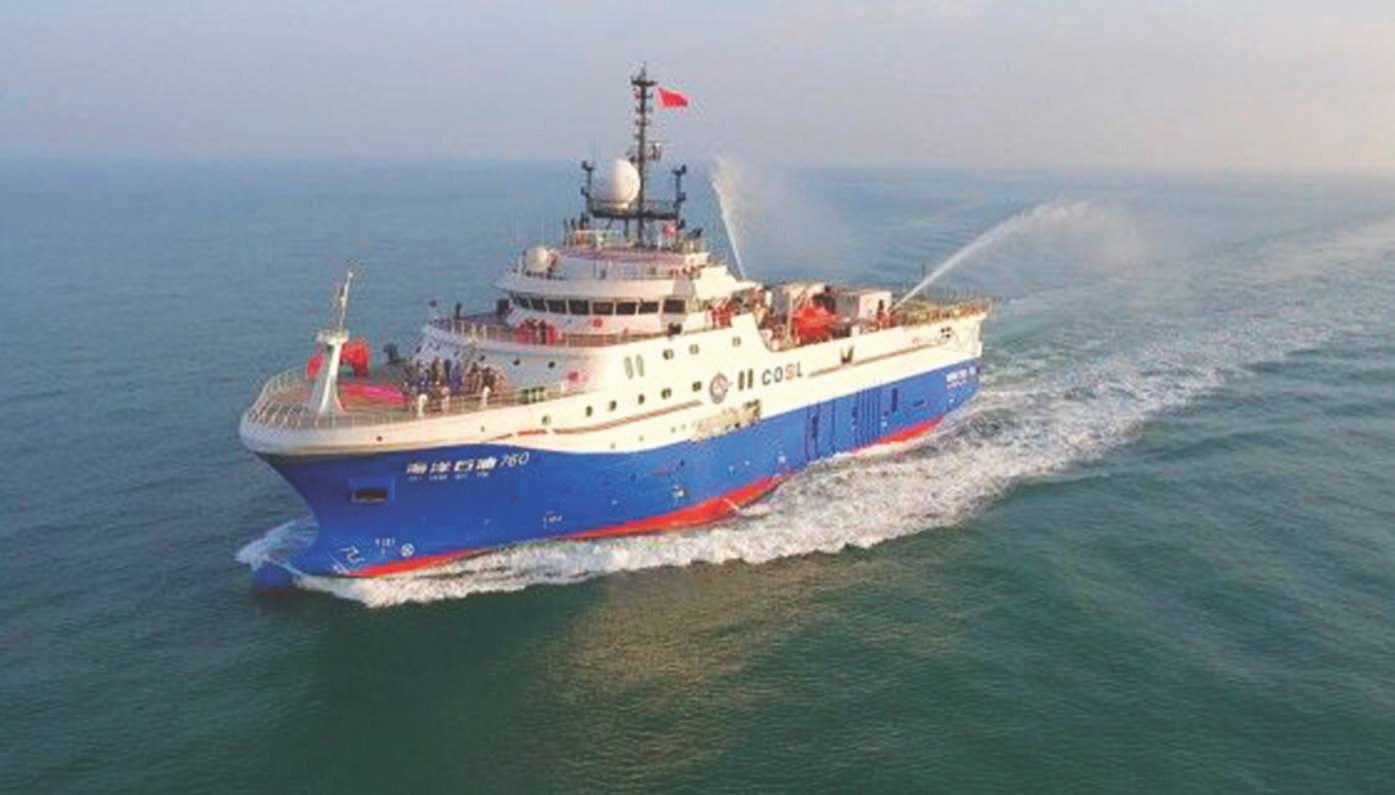
Taking Initiatives to explore oil, gas, and other minerals from the offshore
The election pledge stated the following initiatives for climate change and environmental protection. The pledges of Awami League are:
Increasing social afforestation to 20%
Improving the air quality of all cities including Dhaka
Ensuring waste treatment of industries
Obliging relevant laws for water reservoirs, recovery, and protection of water bodies of the cities.
Creating and protecting permanent green belts up to 500 meters along the coastal areas.
For controlling environmental pollution use of environment-friendly biodegradable plastic and mandatory provision of the use of pollution-free plastic products will be ensured.
Strong initiatives will be taken to ensure a 20% contribution of renewable energy to the fuel mix.
The use of surface water will be maximized.
Giving the highest priority to the protection of forest areas of Sundarban and Chattogram Hill tracts regions works for the protection of forest resources and biodiversity shall continue.
Initiatives will be taken to enhance irrigation facilities and reduce salinity.
Efforts will be made to achieve a rightful share of Bangladesh's Soptokoshi Project from Nepal and India
Election Pledge of Jatiyo Party
The Jatiyo Party has also announced pledges for the 12th national election. Required priority for the energy and power sector has not been given to it. Their commitments to the power and energy sector have been completed with three points only. The headline reads maintaining status quo in the energy and power sector. Three points are: 1. Prices of power and energy would be kept unchanged, 2. Gas would be supplied across the country in phases and 3. A load-shedding-free electricity supply system will be developed.
However, some very important aspects have been included in the pledge for environmental impact management. Commitments have been made to enhance the use of renewable energy. Importance would be given to importing hydropower from Nepal and Bhutan. There are talks about different initiatives for air pollution control of the cities and towns alongside implementing major changes in waste management of towns and villages. Alternative use of polythene and plastic would be ensured. Rivers will be protected and regenerated alongside the protection of biodiversity.
An election pledge is considered a strategy document of political parties. But in the 8-page election pledge of the Jatiyo Party, this time energy, power sector, and environment were treated as business as usual.
Bangladesh Workers Party
Bangladesh working is participating in the general election as a component of the 14-party alliance. They announced a 20-page election pledge. They criticized the government initiatives for increasing power tariff gas and liquid fuel prices as per the covenant of IMF loan. They announced 28 points election pledge. They announced taking all initiatives for competent human resources development for the 4th industrial revolution if voted to power. Their election pledge extensively discusses their plan for the energy and environment sectors.
The pledge mentioned that they would try to develop an accountable, transparent, modern technology-driven power system and renewable energy development system. Without increasing power tariffs, they will endeavor to eradicate corruption. They will try to create transparency in importing primary fuel and electricity from the global market. BAPEX will be developed as a competent exploration and production company of international repute for enhancing the competence of Bangladeshi companies. The quick rental system would be done away with. They considered that the corrupt government intended to hand over national resources to the companies of imperialist nations. They will prevent this at any cost. The will of the nation will be reflected in policies and strategies for utilizing all national resources like oil, gas, and ports in the greater national interest. The movement for protecting national assets would be further intensified.
Under the caption of Climate Change and Environment Protection, the pledge mentioned about gradual phasing out of fossil fuel. Stronger pleas would be made to major polluting industrially developed nations for ensuring generous contributions to loss and damage fund ensuring phasing out from fossil fuel use. Initiatives would be taken globally to create world consciousness against the increase of global warming. Funds received from the climate fund would be used transparently. Arrangements for regular auditing would be ensured.
Workers Party believes that the limitless lust for profiteering in the capitalist world continues causing enormous harm to the environment through carbon emissions. Consequently, climate is changing and causing catastrophic disasters. This is affecting all countries, but poorer countries are major suffers. Kyoto Protocol of the UN must be implemented to the words. For this local knowledge and appropriate technologies must be utilized. It is being told that the life and living of the people of the southwestern region have become unbearable due to frequent visits of natural calamities, scarcity of pure drinking water, an increase of arsenic and salinity, and waterlogging as impacts of climate change. Long-term mitigation actions must be taken to confront this menace and free the helpless people of the coastal region. Workers Party desires to control the pollution of land, water air intensively by applying appropriate technologies through research. Election pledge committed to excavating link canals for confronting water logging, coordinated and intensive action plans for protecting Sundarban Mangrove Forest and Water problem of Barendra region. The pledge stressed different initiatives for protecting hills and rivers as a way of combatting climate change.
Conclusion
The presentation of election pledges demonstrating commitments to Smart Bangladesh appears impressive and well crafted. But the commitments for energy, power, and environment are not at all well written. Some clauses are also self-contradictory. There is no doubt that Awami League as the party in power made some milestone achievements in the past. Prime Minister as a leader of a climate-vulnerable country has raised her voice loudly for climate actions at a global level. Though the energy sector lags way behind, a major success in the power sector cannot be denied. The financial obligations have grown to enormous levels due to the impacts of global incidents. But there is no semblance of doubt that energy, power, and environment have not been given due priority in the election pledges of the political parties.
Cover_V21_14_PDF/userfiles/EP_21_14_Election Manifesto_AL Drops Broader_Coal-Mining Hint_Mollah Amzad Hossain.pdf