With the incidents of climate incidents increasing up at an unprecedented rate across the world, global leaders are finally taking notice of the anomalies in our lifestyle and the way we are depleting nature. Especially if we look into it through the lens of a global citizen, we can easily comprehend the amount of afflictions climate changes can cause to us. Climate changes have resulted in severe droughts in large parts of the globe, floods, and extreme heatwaves in the last few years. In the wake of such catastrophe, the UK and France signed historic net zero emission targets into law in 2019, with other European countries following the same path with a view to riding out the gloomy prognosis thrust upon those countries by the climate crisis. In November 2018, the European Commission came up with its long-term strategic vision for a prosperous, modern, and climate-neutral Europe by 2050. To achieve that target, they decided to reduce emissions by 80-95% within 2050. But how are they going to pull off this whole plan? One of the major strategic points was energy transition – from natural gases to Liquefied Petroleum Gas (LPG) – for saving nature and its resources. The plan is actually paying off; over 25 countries around the world are now promoting its use, and European countries such as Russia, Turkey, Poland, and Italy among the most widespread users of LPG.
Bangladesh, albeit lately, has also realized the role LPG could play in efficient energy consumption and climate control. Consequently, more and more business entities are showing interest in the LPG business, which has, in turn, helped the LPG industry thrive in Bangladesh in the last few years. According to stats revealed by industry players, the yearly demand for LPG is around 10 lakh tons, which is expected to reach 27 lakh tons by 2025, with LPG consumption growing at 10% to 14% per annum.
However, at the moment, the industry is largely import-oriented (95% is imported). There are currently about 25 private companies operating in the domestic market. Leading LPG brands include G-gas, Bashundhara LPG, Omera LPG, Laugfs, and Totalgaz.
The LPG industry has shown remarkable promise in our country and will grow exponentially in the next few years owing to three reasons – Depleting own natural gas reserve; increasing energy demands with natural growth and diversity energy mix dependence. That’s why LPG has turned out to be the biggest energy player considering the multi-faceted benefits it offers in terms of sustainability, climate protection, and future prospects in meeting household demands.
However, for any sector to grow rapidly, it is important to hit the sweet spot between the amount of investment and its return. As so many companies have invested a huge amount of money in the LPG industry, it is imperative that a proper ecosystem be developed for them to ensure a quick rebound. But, it will remain a pipedream if the usage of LPG is limited to households only. Rather a proper plan mapping out the diversified use of LPG should be devised from the policy level, and in accordance with that, initiatives should be taken. In that case, the government and other stakeholders could encourage the use of LPG in industries, public transports, and other types of vehicles.
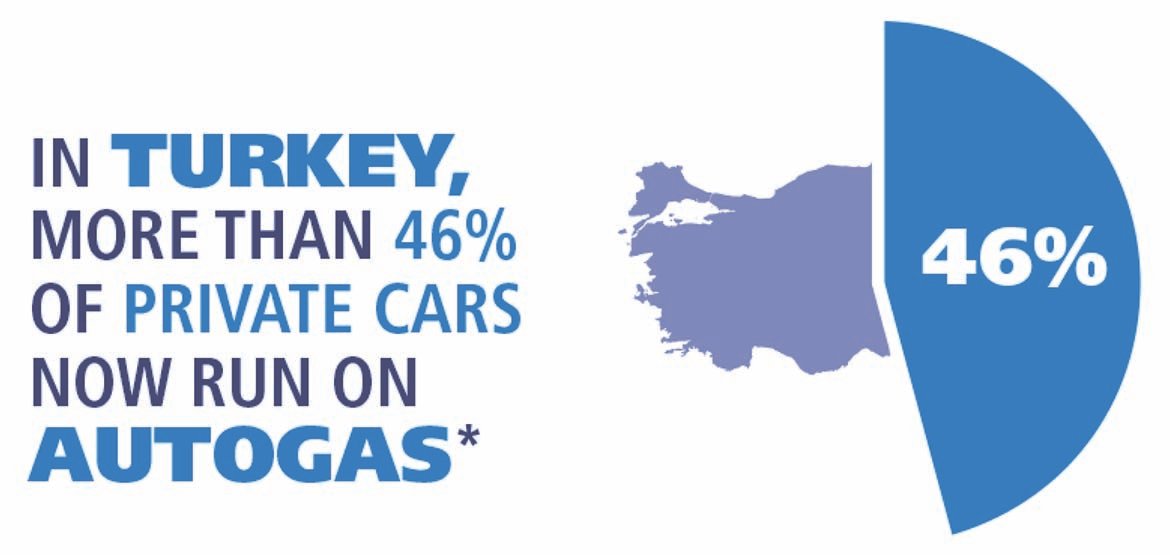
Different countries around the world have successfully done so. The use of autogas is very popular in the European Union, Turkey, Australia, South Korea, Hong Kong, Croatia, Lithuania, the Philippines, Macedonia, and Serbia. Some 37% of passenger cars in Turkey run on autogas, whereas there are over 615,000 autogas-powered cars and is especially popular with taxis in Australia. In Hong Kong, all taxicabs and many public light buses rely on autogas.
To be more particular, LPG has emerged in the scene as a viable alternative beating its other fossil fuel competitors because the carbon footprint from oil is 50%, whereas it’s only 20% from LPG. LPG is non-toxic fuel, so it does not have any impact on agricultural soil. As per different studies, also shows that LPG produces 90% fewer nitrogen oxides in outdoor air than oil. Moreover, the fueling system in autogas is completely sealed, which creates less evaporative emission.
.jpg)
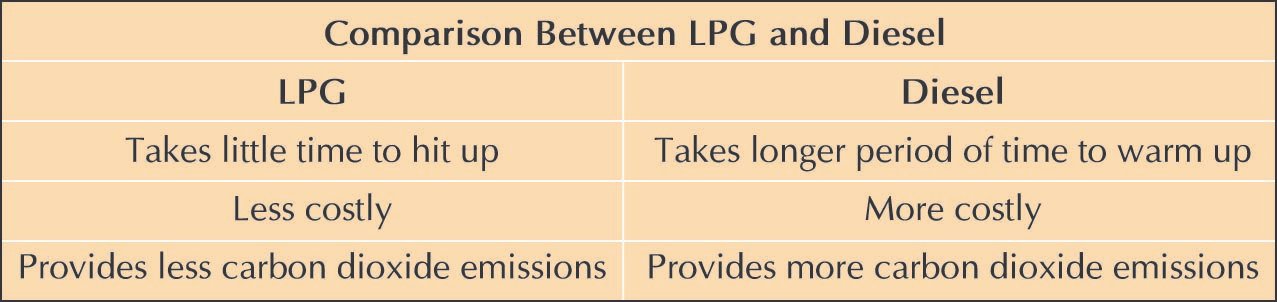
Owing to all these environment-friendly facilities, autogas has turned out to be the right and most popular alternative to petrol and diesel for public transports and other vehicles worldwide. Its demand reached around 27 million tonnes in 2019. LPG-driven public transport contributes to sustainable development goals as well as autogas-driven vehicles require fewer consumables, and this fuel helps to reduce maintenance costs.
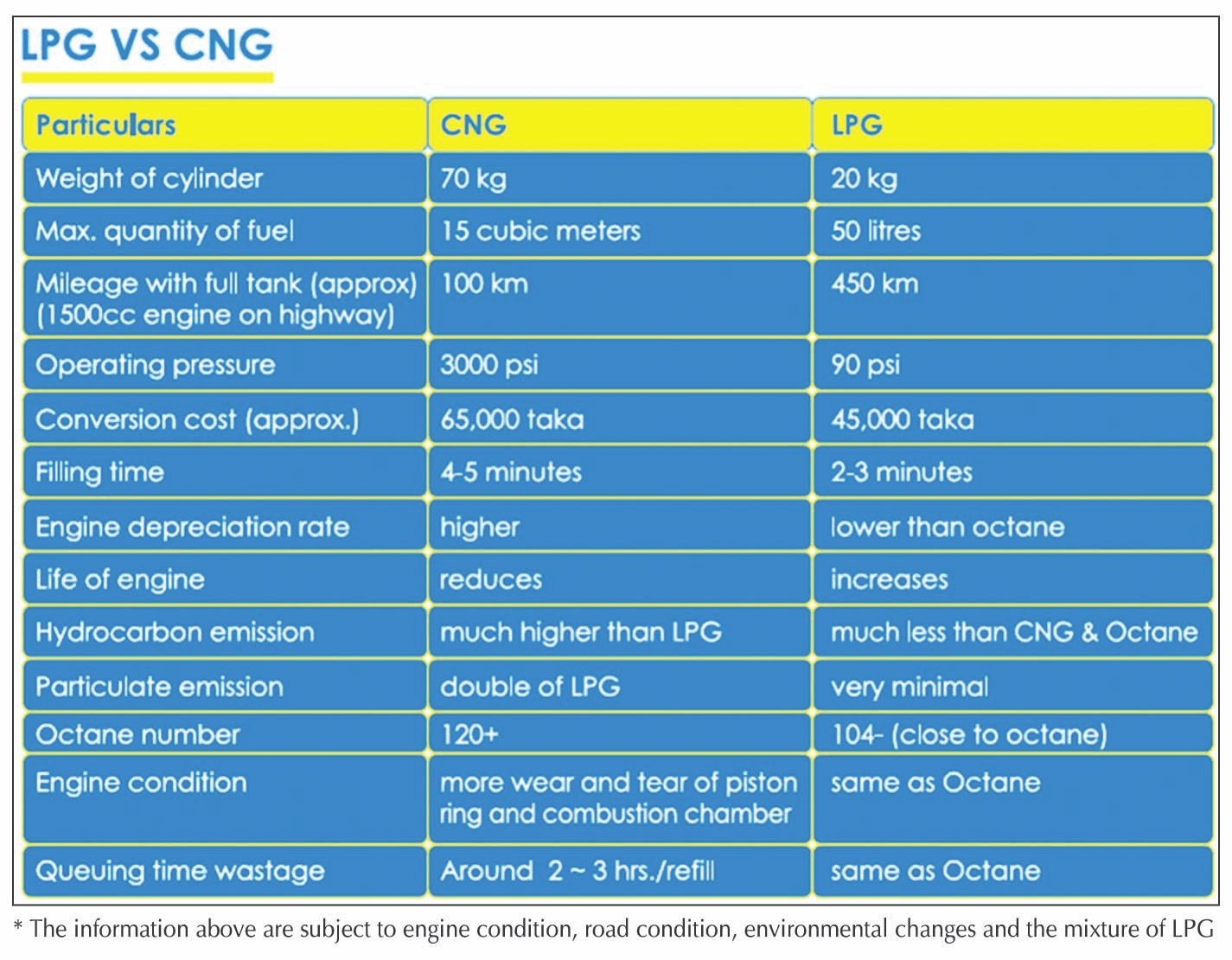
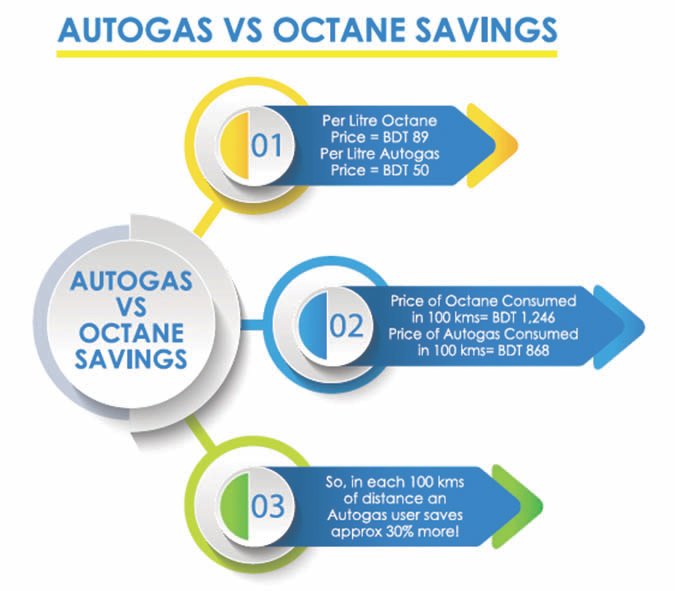
An LPG-powered engine takes very little time to heat up, whereas engines running on diesel or octane take longer period of time to warm up. High octane (+100) LPG has far less pre-ignition (knocking), which results in far better engine performance. Moreover, LPG is more cost-effective than octane, both in terms of price and mileage. The price per liter octane is BDT 89; wherein autogas’ price stands at BDT 50 per liter. The total amount of cost calculated in 100kms for an engine running on octane is BDT 1246. On the other hand, the same distance would require only BDT868 if you are running your vehicle on autogas. It means in every 100kms of distance; an autogas-run vehicle can save approximately 30% more in comparison to an octane user.
Air quality in Bangladesh was the worst in the world, while its capital Dhaka, was the second most polluted city in 2020, in terms of air pollution, said a global report. Automobiles run on fossil fuels like petrol or diesel which is one of reasons of environment pollution. So, we clearly understand the needs and importance of using autogas instead of diesel which will hopefully reduce air pollution significantly.
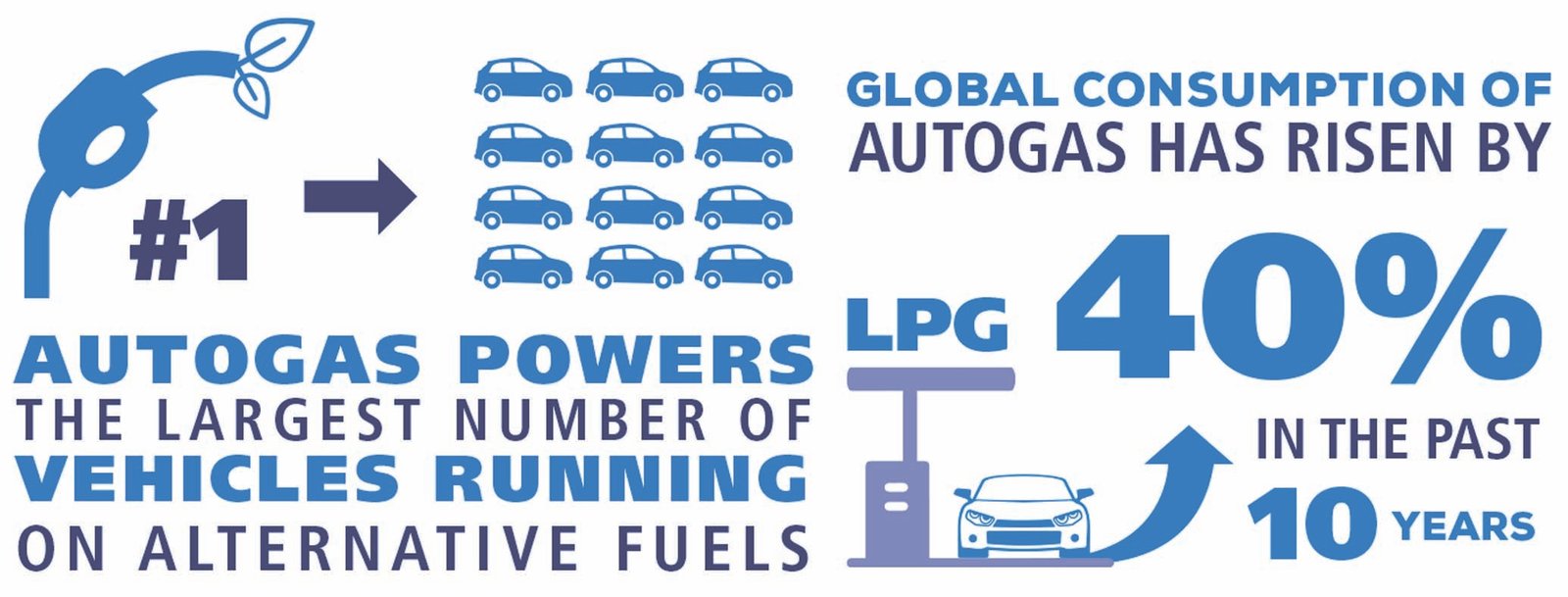
Meanwhile, vehicles running on autogas emit less amount of harmful emissions associated with environmental and health problems. In a study[1] conducted to compare two kinds of emissions (LPG vs. petrol), it was found that carbon monoxide emissions were recorded at 177.5 mg/km for LPG as against 369.2 mg/km for petrol. Consequently, global consumption of autogas has risen by 40 percent in the past ten years, and there are around 27 million autogas vehicles in use around the world at the moment. This trend can be replicated in our country as well by diversifying the use of autogas. Public buses and other vehicles plying the roads should be encouraged to use autogas, taking the eco-friendly options into account.
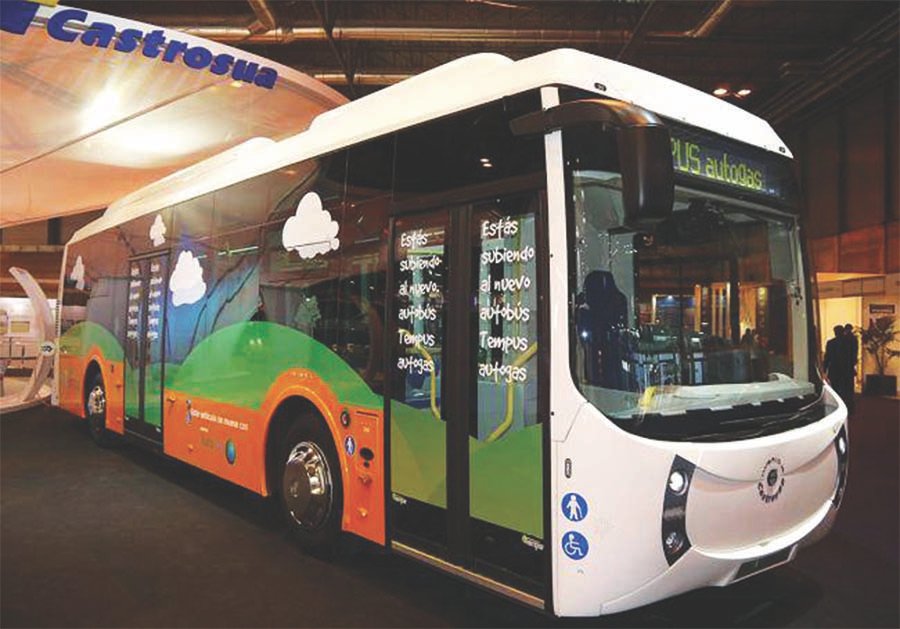
The stakeholders can take lessons from other countries in this regard to inch up the use of autogas in public transports, especially buses. Taking the far-reaching benefits of autogas South Korea has permitted everyone in the country to buy LPG-powered vehicles or anyone willing can modify their cars to run on this clean fuel as part of the country’s incessant efforts to improve air quality. Meanwhile, Spanish oil producer Repsol’s Technology Unit is working to develop the first bus completely powered by autogas. It is being developed for the European market. They will build a prototype of this vehicle so that it can be produced in large numbers as a means of mass transportation.In Korea and Japan, Asia’s two largest markets, taxis, and other light vehicles, are heavily dependent on autogas because of government directives prioritizing the use of alternative fuels.To inspire stakeholders, India has taken a public policy incentive for autogas by means of excise tax exemption. As a result, an estimated 2.32 million vehicles, which account for roughly 7% of all the vehicles on the road in India, are running on autogas. Moreover, around 10,000-15,000 vehicles are converted to autogas every month.
Considering such a worldwide shift from conventional fossil fuel options to more environment-friendly options such as LPG, it can be said without any shadow of a doubt that our LPG industry is poised to grow given that certain steps are taken in the light of recommendations from industry experts.
Finally, it goes without saying that the LPG market is expanding with so many contenders already vying in the market. To ensure equal and balanced growth for the LPG industry, the government policy makers should underscore the necessity to branch out the use of LPG or autogas and take necessary steps so that its use can be expanded to industry, mass transport, and other kinds of vehicles. Only then, the investors will feel encouraged as their huge investments for the progress of the LPG industry and the growth of the country in a greater sense will not go in vain.
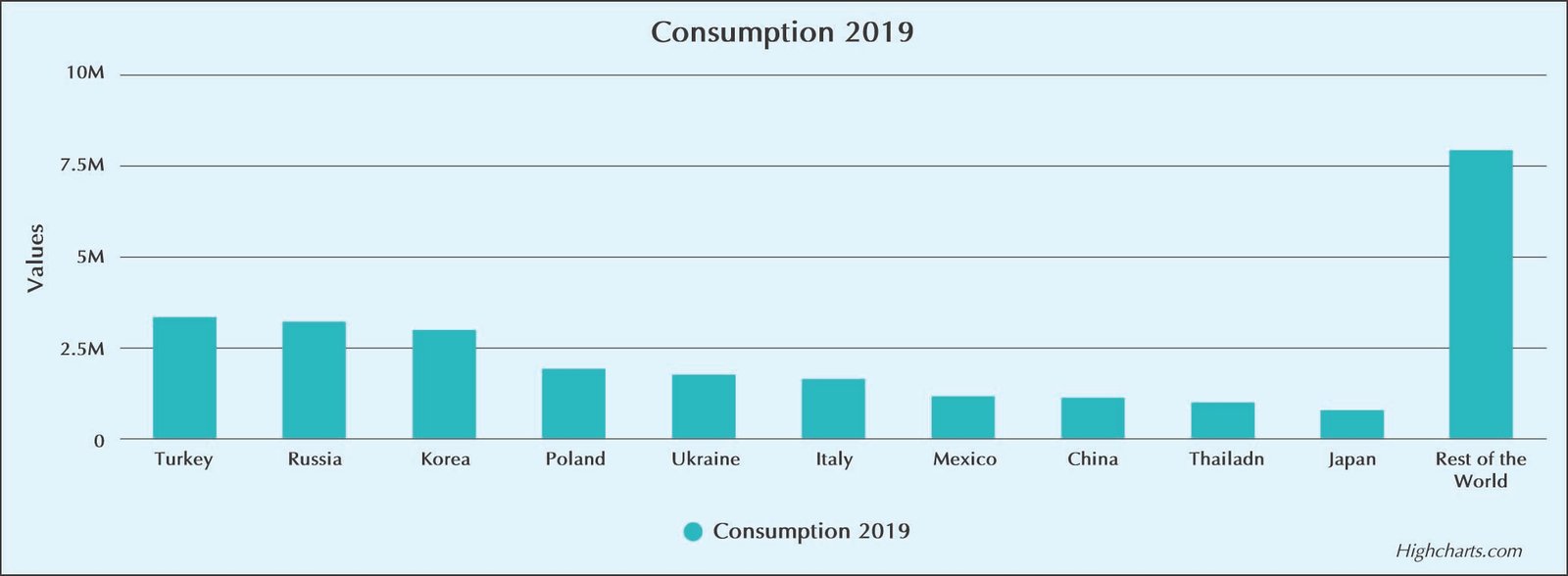
Source: https://auto-gas.net/
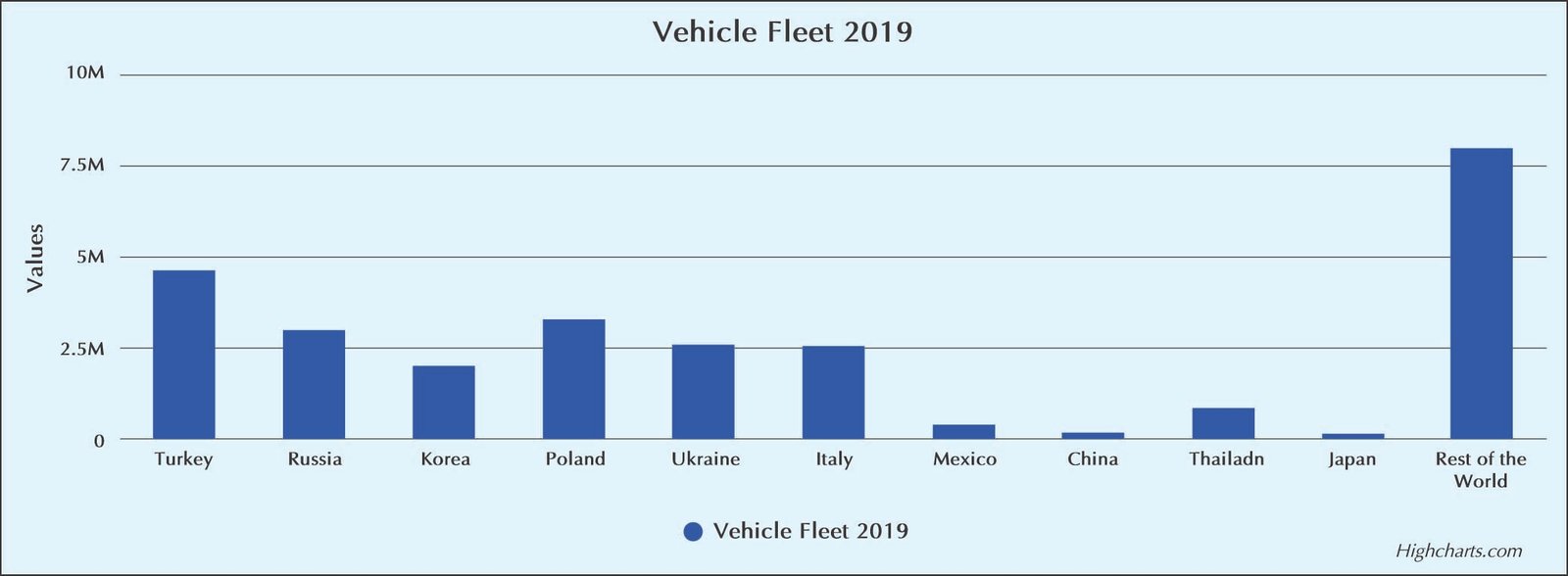
Source: https://auto-gas.net/