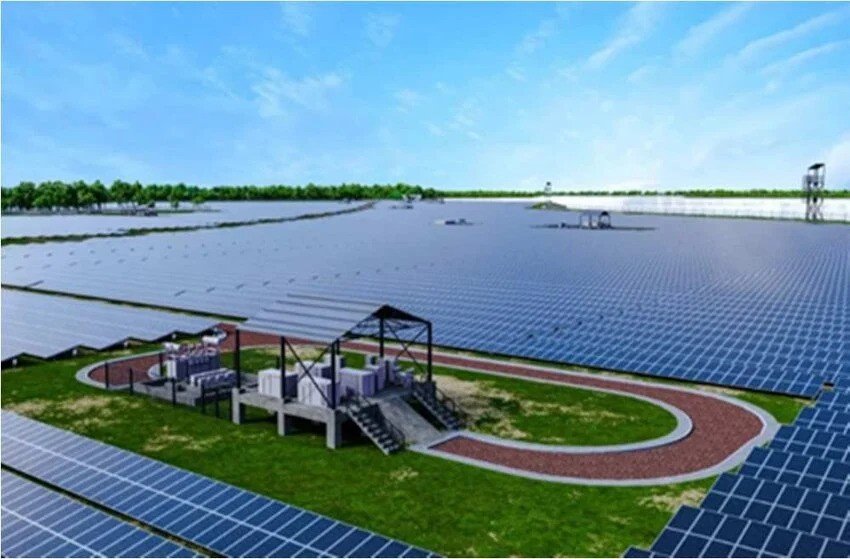
Bangladesh has entered a new era of economic growth and development. Rapid industrialization, urbanization, digital transformation, and improvements in living standards have significantly increased the country's demand for electricity. Yet, despite this progress, Bangladesh's energy sector remains heavily dependent on imported fossil fuels. Volatility in global energy prices, pressure on foreign exchange reserves, and the growing threat of climate change have made it increasingly clear that the country must accelerate its transition toward a more sustainable and resilient energy system.
In this context, renewable energy is no longer merely an environmentally friendly alternative. It has become a strategic pillar for ensuring energy security, economic stability, industrial competitiveness, employment generation, and sustainable national development.
The Government of Bangladesh has already introduced several important policies and initiatives, including rooftop solar, net metering, electric vehicles (EVs), battery energy storage, solar irrigation, and integrated energy planning. These initiatives have laid a strong foundation for the country's clean energy transition. However, policy formulation alone is not enough. The real challenge lies in effective implementation, investment-friendly fiscal policies, and long-term policy consistency.
From Policy to Implementation: The Need for Greater Momentum
Despite positive policy developments, the renewable energy sector continues to face significant implementation challenges. Lengthy project approval processes, land acquisition complexities, limitations in grid infrastructure, and inadequate coordination among government agencies have delayed many promising projects.
Bridging the gap between policy announcements and on-the-ground implementation is now essential. Without faster execution, Bangladesh risks falling behind its renewable energy ambitions despite having the necessary policy framework in place.
Short-Term Revenue vs. Long-Term National Benefits
Reducing or eliminating import duties on renewable energy equipment may result in some short-term revenue loss for the government. However, the long-term economic, environmental, and strategic benefits far outweigh this temporary fiscal impact.
Lower import costs would significantly reduce the capital expenditure (CAPEX) required for renewable energy projects, making investments more attractive for businesses and consumers alike. Increased deployment of renewable technologies would reduce dependence on imported fossil fuels, save valuable foreign exchange, create new employment opportunities, lower carbon emissions, and enhance the competitiveness of Bangladesh's industrial sector.
Viewed from this perspective, tax incentives for renewable energy should not be considered a revenue sacrifice but rather a strategic national investment.
Unfortunately, the current fiscal year's budget has increased taxes and duties on several renewable energy technologies and equipment. As a result, investment costs have risen, private sector interest has weakened, and market expansion is likely to slow. A forward-looking national budget should strengthen, not hinder, the country's transition toward clean energy.
Strengthening Energy Security and Economic Stability
Bangladesh spends billions of dollars every year importing coal, oil, and liquefied natural gas (LNG). Fluctuations in international energy markets directly affect electricity generation costs, foreign exchange reserves, and overall economic stability.
Renewable energy offers an opportunity to produce a growing share of electricity from domestic resources such as sunlight and wind. Expanding renewable energy capacity would reduce import dependency, stabilize long-term electricity generation costs, improve energy security, and significantly reduce pressure on the country's foreign exchange reserves.
For a country pursuing sustainable economic growth, this transition is not only an environmental imperative but also an economic necessity.
What Can Bangladesh Learn from Global Experience?
International experience clearly demonstrates that open and competitive markets play a crucial role in accelerating renewable energy deployment.
Countries such as China, India, Pakistan, Germany, and Vietnam have successfully expanded renewable energy through supportive tax policies, reduced import duties, simplified net metering regulations, accessible financing, and strong private sector participation.
Importantly, these countries have not limited market participation to large corporations. Importers, distributors, EPC companies, SMEs, and individual consumers have all been able to participate under transparent and competitive market conditions. This has accelerated technology adoption, lowered prices, and expanded access to renewable energy across society.
Policy Recommendations
To accelerate Bangladesh's renewable energy transition, several strategic policy measures deserve immediate consideration:
-
Maintain Zero Import Duty on renewable energy technologies and equipment until at least 2030.
-
Ensure long-term, stable, and investment-friendly renewable energy policies.
-
Expand Green Financing with affordable long-term financing, particularly for SMEs and emerging entrepreneurs.
-
Simplify and streamline the Net Metering framework to encourage wider adoption.
-
Create equal market opportunities for CAPEX, OPEX, Residential, and Commercial renewable energy consumers.
-
Accelerate investment in modernizing the national grid and Battery Energy Storage Systems (BESS).
-
Strengthen research, innovation, and human resource development while enhancing the institutional capacity of the Sustainable and Renewable Energy Development Authority (SREDA).
-
Encourage domestic manufacturing while removing unnecessary barriers to the import of renewable energy technologies and essential components.
Conclusion
Bangladesh's energy sector stands at a defining moment. The policy and budgetary decisions made today will shape the country's energy security, economic competitiveness, and environmental sustainability for decades to come.
Renewable energy should no longer be viewed as a public expenditure. It should be recognized as a strategic national investment capable of delivering long-term economic returns, strengthening energy independence, and supporting industrial transformation.
With timely policies, a pragmatic national budget, active private sector participation, and efficient implementation, Bangladesh can successfully build a cleaner, more resilient, and energy-secure future.
Perhaps the most important point is this: the greatest challenge facing Bangladesh's renewable energy sector is not the lack of technology. It is the lack of policy consistency, investor confidence, and fiscal prioritization. Once these three challenges are addressed, renewable energy can become one of the country's most powerful engines of economic transformation, industrial growth, and sustainable development.
Download Article As PDF/userfiles/EP_24_04_Article.pdf
Engr. Ataur Rahman Sarker (Rojel), General Secretary, BSREA & Chairman, Filament Engineering Limited