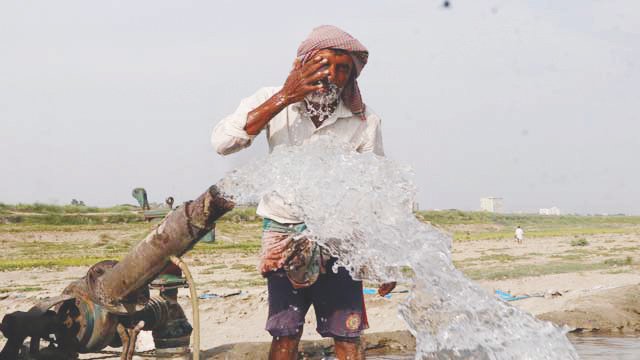
The Bangladesh power sector may face unprecedented climatic stress amid existing deep-seated financial instability due to probable global climate shifts from a weakening La Nina to a projected El Nino in mid-2026. This article explores the connection of the El Nino-Southern Oscillation (ENSO) cycle with the operational and financial outline of Independent Power Producers (IPPs). By studying the ‘heat penalty’ due to El Nino effect on generation efficiency alongside the growing liquidity crisis and the debatable claim of Liquidated Damages (LD), this paper proposes a policy-oriented proposition for ‘LD Moratorium’ and instant liquidity injections with cash infusion. The primary goal is to maintain grid resilience during the summer 2026 peak, when demand is projected to exceed 18,500 MW. Simultaneously, the energy sector needs to steer during the changeover that risks technology, technical infrastructure, and the contractual reliability of providers.
1. Introduction: Sensing Climate Shift and A Season with Extreme Heat Wave
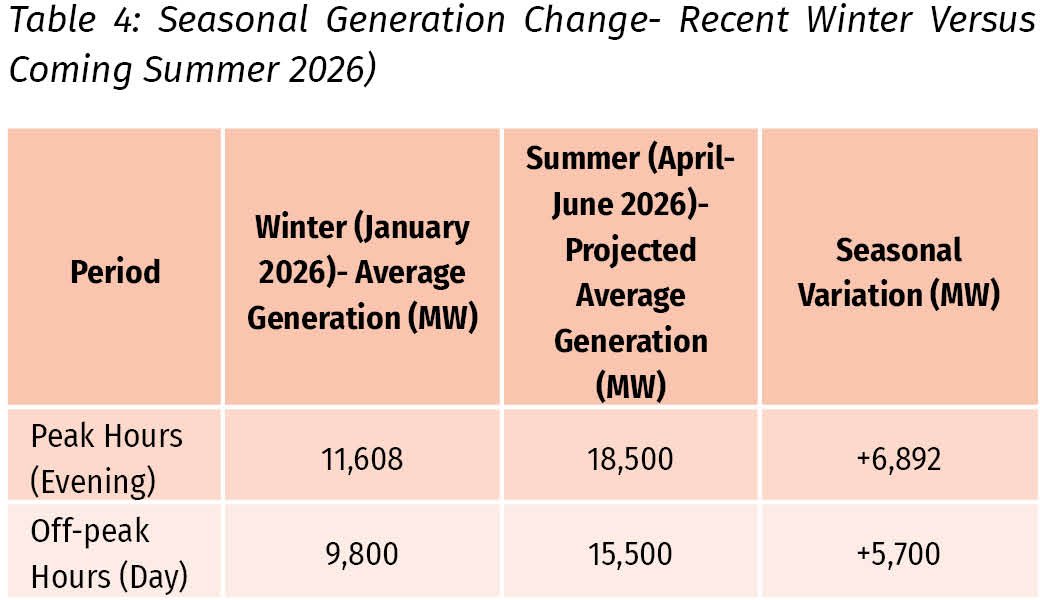
The year 2026 marks a critical moment for the power landscape of Bangladesh. For the last few years, La Nina (the ‘Little Girl’) has mostly dictated global weather patterns. It used to propagate cooler waters to the central Pacific and thereby influenced the South Asian monsoon. The meteorologists worldwide are following this phenomenon and sensing a rapid transition, as of March 2026; ultimately, the world is moving towards ENSO (El Nino-Southern Oscillation) neutral conditions. This condition directs a high probability of an El Nino (the ‘Little Boy’) establishing itself by the peak summer months of April-June 2026 through August/September 2026.
The weather pattern shift towards El Nino in 2026 is not merely academic for Bangladesh, sitting at the heart of the deltaic plain. El Nino typically brings suppressed rainfall and significantly higher temperatures with tangible changes in temperature, humidity, and rainfall. Coincidentally, this climatic shift arrives at a time when the Bangladesh power sector is already grappling with a severe financial crisis burdened by debt, fuel shortages, and rigid contractual obligations.
2. Climatic Drivers in Brief for Bangladesh: El Nino versus La Nina
The ENSO is a cycle of warming and cooling in the tropical Pacific Ocean.
· La Nina involves the cooling of the Pacific Ocean surface temperatures. It results in an intense monsoon and relatively manageable temperatures during summer in Bangladesh.
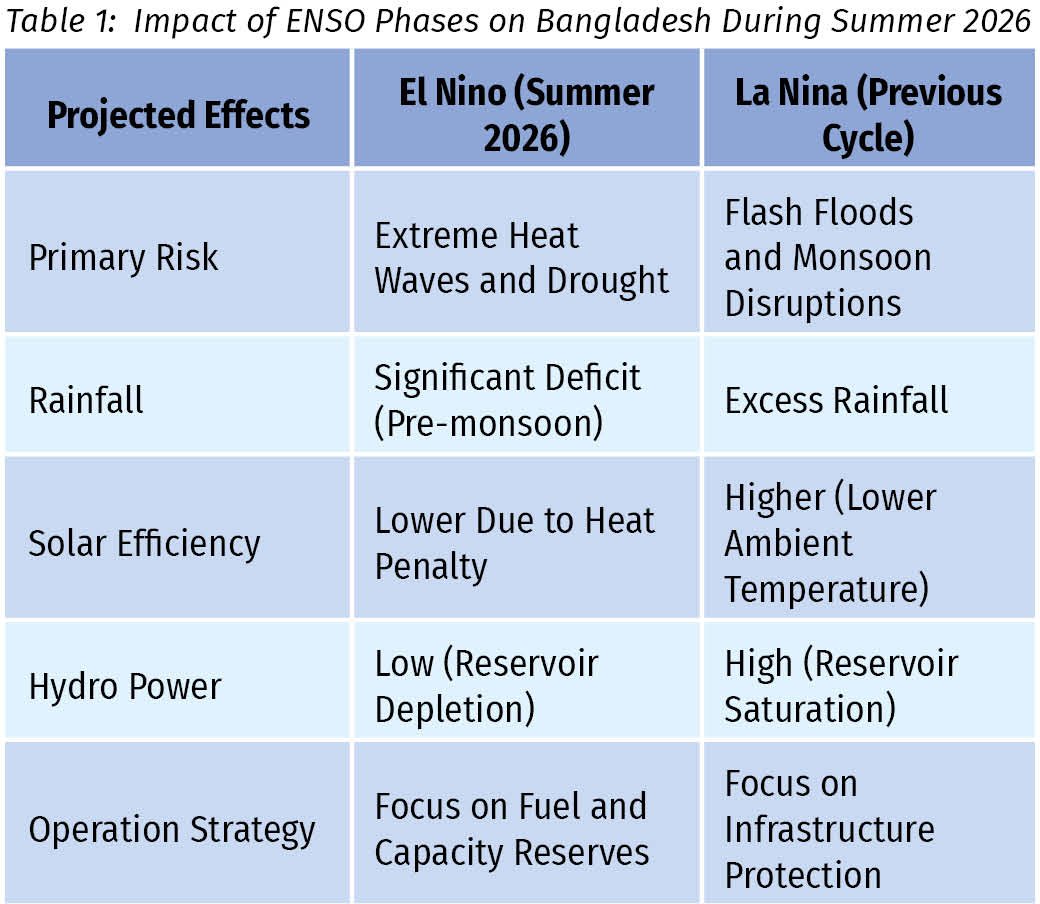
· El Nino weakens the trade winds that normally push warm water towards Asia. This phase is frequently a drought-like condition with intense heat waves for the Indian subcontinent.
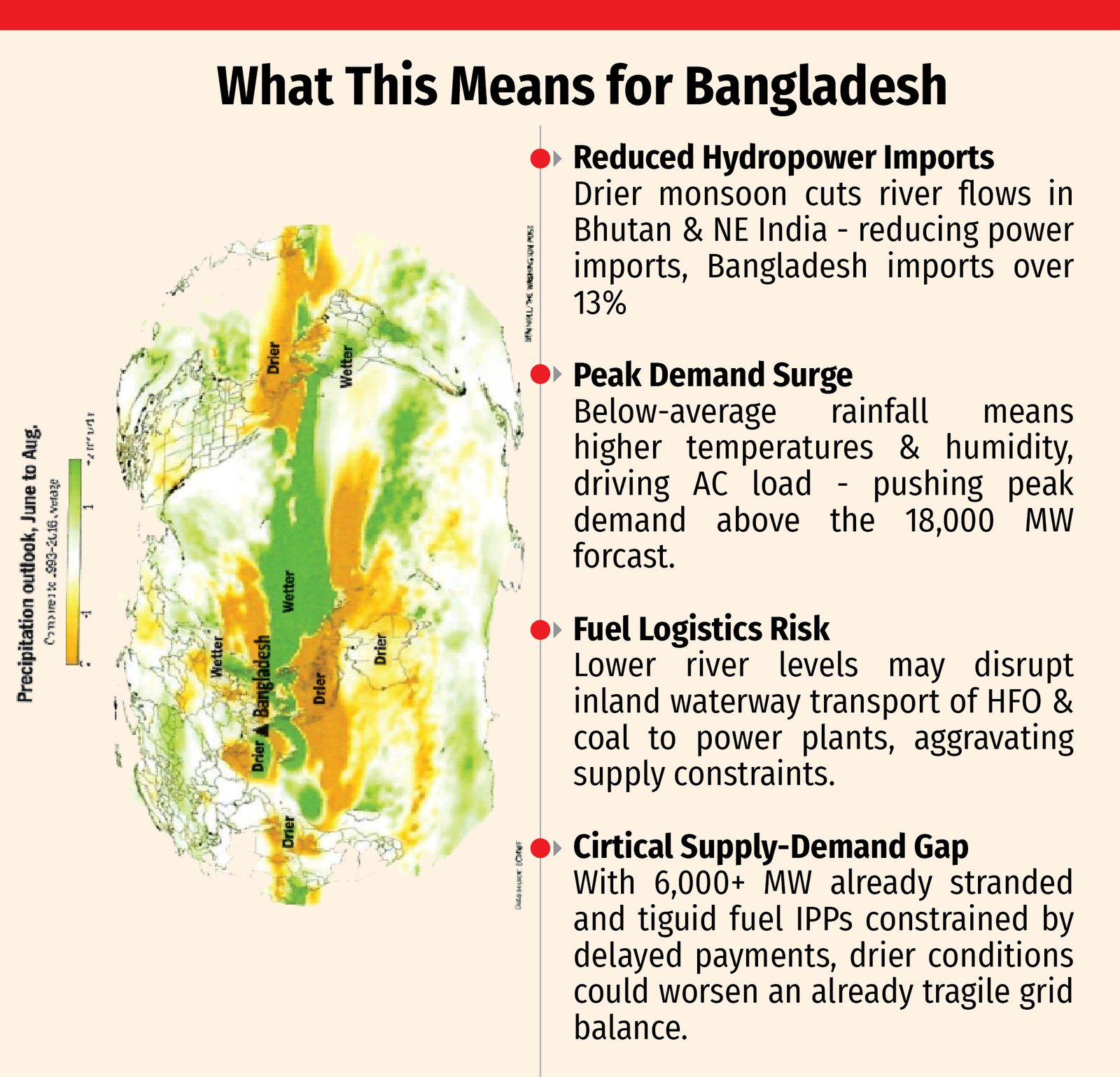
Figure 1: Monsoon Precipitation Outlook (June-August 2026) - Implications for Bangladesh
The World Meteorological Organization (WMO) suggests a 62% probability of El Nino emergence by mid-2026, after a comprehensive analysis of the data. The Bangladesh Meteorological Department (BMD) has already issued warnings for multiple severe heat waves during these months. The temperatures are expected to hover between 40.0°C and 41.9°C, and the coming summer will not be ‘business as usual’.
3. The Power Plant Fatigue: ‘Heat Penalty’ on Power Generation
Extreme heat has physical impacts on the efficiency of power plants. This is often referred to as ‘derating’ of the energy sector.
3.1 Thermal Power Plants
Bangladesh’s grid relies on natural gas, coal, and Heavy Fuel Oil (HFO). These thermal plants require cool air for combustion and cooling systems. As ambient air temperatures rise to 40°C or higher, the air becomes less dense. This means gas turbines cannot pull in the mass of air required for optimal combustion. Historically, a 10°C rise above standard ISO conditions can lead to a 5% to 7% drop in a plant’s effective output.
3.2 The Inconsistency of Solar Energy
Bangladesh has made significant steps in ‘Agri-PV’ and floating solar projects. When El Nino brings clearer skies and more sunlight, it also propagates excessive heat. Solar photovoltaic (PV) cells are semiconductors and become less efficient as they get hotter. Once a solar cell’s temperature exceeds 25°C, its voltage drops. Due to this ‘heat penalty’, solar panels may lose over 10% of their rated capacity during a severe Bangladesh heat wave. Therefore, the panels will underperform due to the sheer intensity of the ambient heat, exactly when the sun is brightest.
3.3 Hydroelectricity and Water Scarcity: Reduction of ‘Head’
The Kaptai Hydro Power Plant is the only source of low-cost energy. However, El Nino typically reduces the rainfall necessary to keep the ‘reservoir head’ high. The ‘head’ of water available for power generation will drop if, presumably, the pre-monsoon rains fail in April and May 2026. This compels the National Load Dispatch Centre (NLDC) to shift the load to more expensive liquid-fuel IPPs, and thereby increases the overall cost of generation for the Bangladesh Power Development Board (BPDB).
4. The Financial Strain: ‘Take-or-Pay’ and the Liquidity Gap
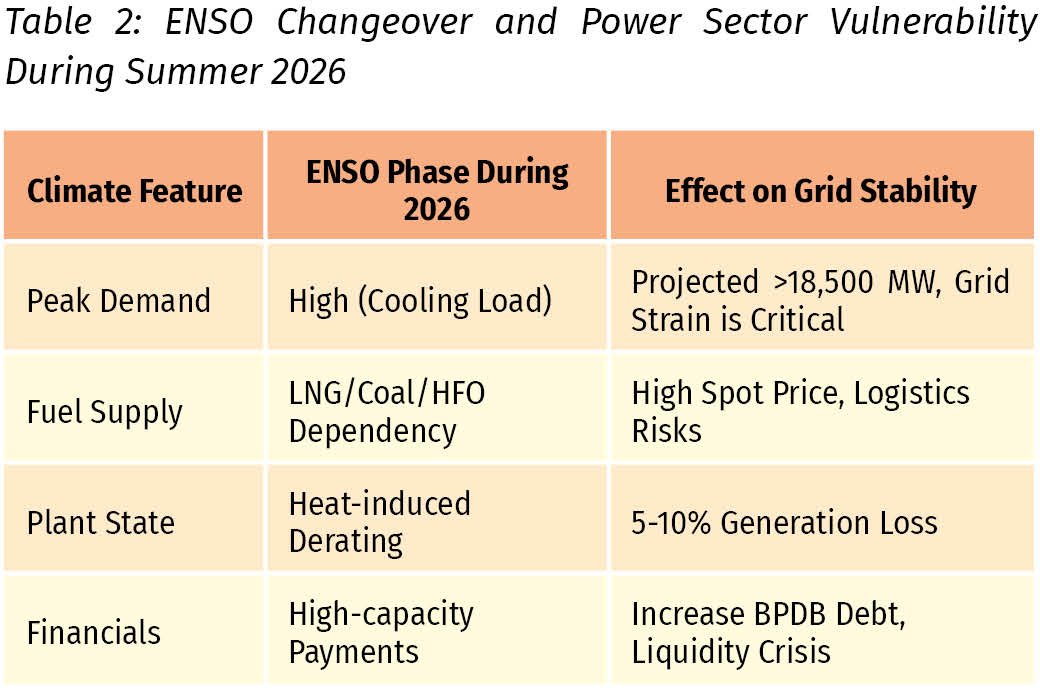
Verily, the use of cooling fans and air conditioners increases when the temperature rises. In 2026, peak demand is projected to cross the 18,500 MW mark. This creates a massive financial burden on the BPDB compared to the previous year.
4.1 The Burden of Capacity Payments
The government needs to pay IPPs for their ‘availability’, under the ‘Take-or-Pay’ model. During El Nino heat wave, the grid cannot afford for any plant to be offline. Consequently, the BPDB must ensure that almost all contracted plants are ready to generate at a moment's notice. This leads to a surge in Capacity Payments. These payments are, as per the Power Purchase Agreement (PPA), essential for the investment security of the IPPs. Ultimately, these bring an immense strain on the national budget during periods of high fuel prices.
4.2 The Reality of ‘Artificial Defaults’
The most pressing issue for the power sector in 2026 is not the heat itself, but the liquidity crisis. As of today, the BPDB owes IPPs approximately BDT 250 billion. The payment is already delayed by 08 to 10 months, and thereby, IPPs lose their ability to open Letters of Credit (LCs) to import fuel (HFO or Coal). Here, a plant cannot run because it has no fuel, and it has no fuel because the Government has not paid the bills. This is known as an ‘Artificial Default’. The plant is technically available and functional, but it lacks the fuel to operate.
The situation might even be complicated by looking at the role of the NLDC. IPPs are worried about how the BPDB issues instructions to NLDC. When the plants are already struggling to buy HFO due to not being paid, the BPDB may issue dispatch instructions anyway. Industry experts note this as ‘imaginary demand’. The goal of these orders could be to trigger Liquidated Damages (LD) penalties against the IPPs. And it is unfair, if it is true. This seems to be using the IPPs’ financial struggles to artificially lower their own debts. Such actions lead against the ‘Take-or-Pay’ model and make it much harder for power projects' bankability to stay financially viable.
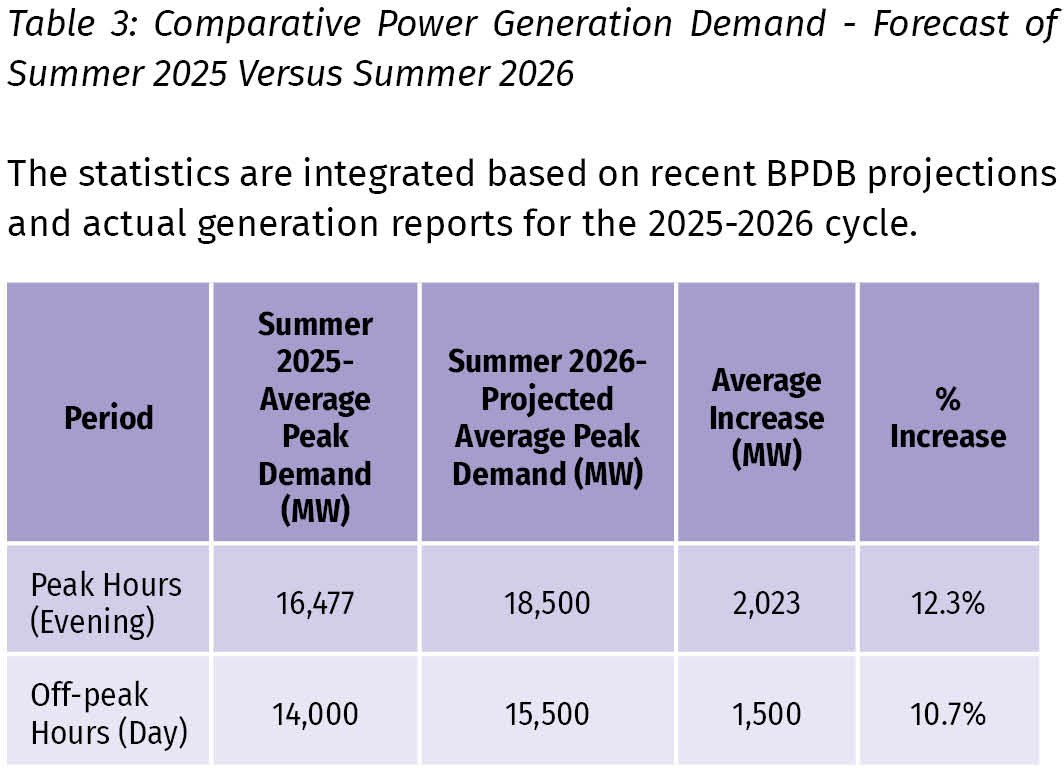
The summer 2025 baseline represents the highest recorded generation during the last dry season. The summer 2026 forecast accounts for the coinciding of the El Nino heatwaves.
5. The Legal Conflict: LD
The most contentious issue currently facing the IPPs is the deduction of LD.
5.1 The Penalty Disputes
The root of the legal dispute lies in the imposition of LD by the BPDB during periods of forced outages. As per PPA, the BPDB deducts money as a penalty (LD) if a plant fails to provide power when called upon. However, from a legal point of view, this brings Section 13.2(j) of the standard PPA into sharp attention. This clause entails that if the BPDB fails to settle undisputed invoices within a specific grace period, the producer’s contractual obligation to deliver dependable capacity (power) is effectively suspended. Such a period of suspension, necessitated by the buyer's (i.e., BPDB) default, the law advocates that the producer should remain entitled to Capacity Payments without being penalized by LD deductions.
5.2 The 2026 Standoff
Despite clear directives from the Bangladesh Energy Regulatory Commission (BERC) and various legal observations, the BPDB has continued to deduct LDs from IPP invoices. These deductions are the difference between staying solvent and going bankrupt for many producers. In the context of an El Nino summer, where equipment stress is high and fuel costs are peaking, these penalties could cripple the private power sector.
6. Fusionof Systemic Crisis: Facing ‘Power Nor-wester’ (April-September 2026)
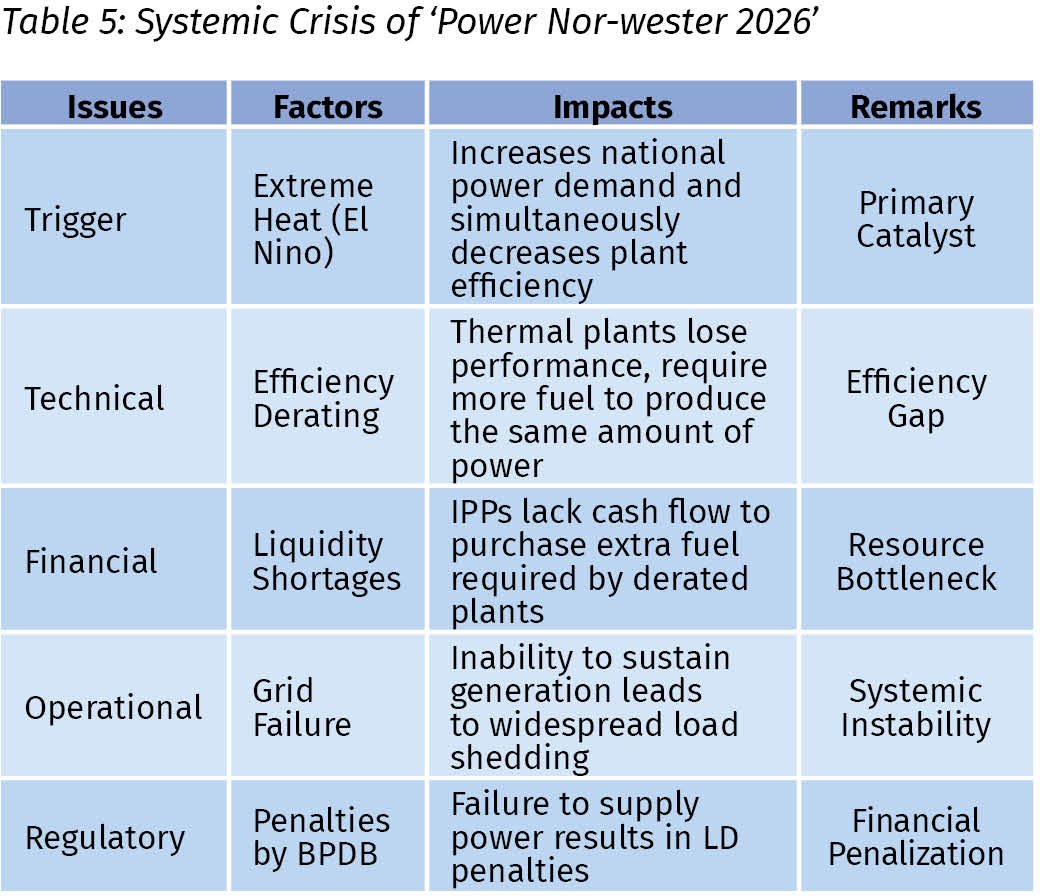
The upcoming situation (April-June 2026 through August/September 2026), combining three factors, i.e., El Nino heat, Efficiency Derating, and Financial Liquidity, leads to a dangerous trend (could be termed as ‘Power Nor-wester’ 2026):
· Extreme heat increases the demand for electricity vis-a-vis decreases plant efficiency.
· Decreased efficiency requires more fuel to produce the same amount of power.
· Liquidity shortages make it impossible for IPPs to buy that extra fuel.
· Grid failure or load shedding occurs, leading the BPDB to penalize IPPs with LD penalties.
This cycle is unsustainable. It secures the private sector due to the financial crisis that it did not create, while the climate makes the operational environment more hostile every day. Taking into cognizance, the following table illustrates ‘dangerous trends’, where environmental, technical, and financial factors unite to create a systemic crisis for the power sector.
7. Recommendations for 2026
To navigate the coming months, the Government and IPP stakeholders must steer towards a concerted and inclusive survival strategy.
· Immediate Liquidity Injection with Cash Infusion: The BPDB, with close coordination with the Ministry of Finance, must prioritize the release of outstanding dues to IPPs. Without cash flow, the ‘fuel chain’ will break long before the heat wave ends.
· LD Moratorium: The Government should implement a moratorium on LD for outages directly linked to payment delays or extreme temperature derating, for the duration of the 2026 El Nino peak (April-August 2026).
· Technical Benchmarking: Plants should be allowed to reassess and adjust their ‘Declared Capacity’ based on ambient temperature. Expecting a turbine to hit its ISO-rated capacity at over 40°C is a physical impossibility and should not be a plea for financial penalties.
· Focusing on Energy Security: The focus must shift from ‘punishing’ IPPs to ‘securing’ the supply of electricity. This includes streamlining LC processes for fuel imports and ensuring that coal, HFO, and LNG stocks are buffered before the peak heat arrives in April/June 2026.
8. Conclusion: A Call for Resilience
The El Nino of 2026 is an environmental reality that cannot be altered. However, the financial and legal framework of the power sector is something that should be controlled. IPPs are being proven for their ability to build an efficient power generation infrastructure in record time. Now, it needs an inclusive coordinated effort to prove that all stakeholders are capable of managing a sustained power generation capacity through a time of crisis.
By recognizing the physical limits of technology in extreme heat and the financial limits of IPPs due to payment delays, the Government can prevent a total energy collapse. The goal for this summer 2026 should be simple: keep the lights on, keep the fans spinning, keep the industry functioning, keep the productivity continuing, and ensure that the plants providing power remain financially viable to fight the heat of another day.
Colonel (retd) Engineer A R Mohammad Parvez Mazumder, afwc, psc
Dowanload Analysis As PDF/userfiles/EP_23_21_Analysis.pdf
References
Bangladesh Independent Power Producers’ Association (BIPPA). (2026). Position paper: Addressing the liquidity crisis and artificial defaults in the IPP sector. BIPPA Secretariat.
Bangladesh Meteorological Department (BMD). (2026). Long-range seasonal forecast: March-August 2026. Government of the People’s Republic of Bangladesh.
Bangladesh Power Development Board (BPDB). (2025). Annual report 2024-2025: Generation statistics and financial overview. BPDB.
Bangladesh Energy Regulatory Commission (BERC). (2025). Order on bulk power tariff and adjudication of liquidated damages (LD) disputes (Reference No. BERC/2025/Case-09).
Forum for Energy Reporters Bangladesh (FERB). (2026). Strategic brief: Energy security amidst geopolitical instability and climatic extremes.
IEEE Power & Energy Society. (2023). Standard for performance rating of gas turbines under non-ISO conditions (Ambient temperature derating). IEEE Std 1234.
International Electrotechnical Commission (IEC). (2024). IEC 61215: Terrestrial photovoltaic (PV) modules- Design qualification and type approval (Impact of temperature coefficients).
Karnaphuli Hydro Power Station. (2026). Hydrological impact assessment: Reservoir management during ENSO transitions.
Ministry of Power, Energy and Mineral Resources. (2024). Standard power purchase agreement (PPA) for independent power producers (IPPs) in Bangladesh: Section 13.2(j) - Force Majeure and excused outages. Power Cell.
National Oceanic and Atmospheric Administration (NOAA) / Climate Prediction Center. (2026, March). ENSO: Recent evolution, current status and predictions.
World Meteorological Organization (WMO). (2026). Global seasonal climate update for March-May 2026. WMO Secretariat.