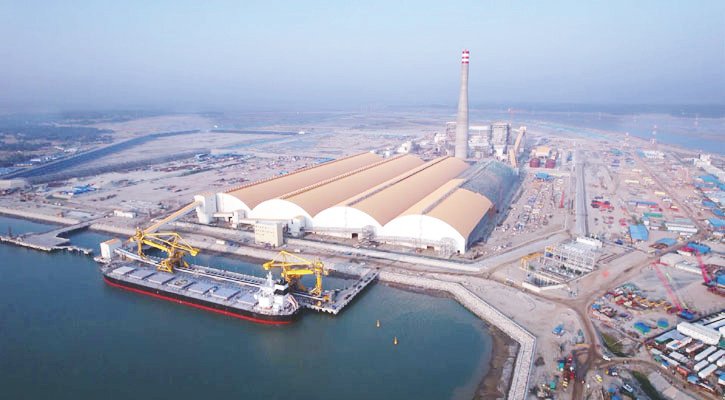
The Bangladesh government has announced a set of contingency action plans for immediate implementation to confront the ongoing energy crisis triggered by continued conflict in Arab countries and the Persian Gulf region. The primary objective is demand-side management through austerity in electricity and fuel use. The stated target is to reduce daily electricity demand by 3,000 MW. This summer could see peak demand exceeding 18,000 MW. Even without the war, an increasingly import-dependent power supply system was not in a position to consistently generate 16,000 MW. A deficit of around 2,000 MW would likely have led to load-shedding during hot, humid summer days.
Now, with the war pushing fuel prices sharply higher and disrupting supply chains, particularly due to constraints on shipping through the Strait of Hormuz, Bangladesh’s power system may struggle to consistently meet even 15,000 MW demand. Gas, LNG, coal, and liquid fuels are all becoming harder to procure on time and in sufficient quantities. Under these circumstances, austerity and efficient consumption appear to be the only immediate tools available to limit load-shedding and ease pressure on fuel supplies for other sectors.
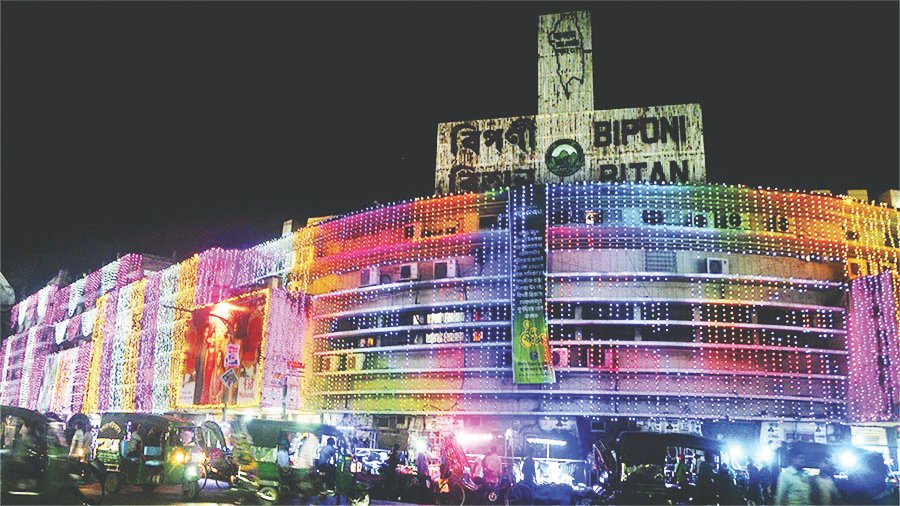
The government’s plan includes reducing office hours for both public and private sectors to 9:00 am–4:00 pm, while banking hours will be shortened to 10:00 am–3:00 pm. A major measure involves restricting shopping hours to 6:00 PM, later adjusted to 7:00 PM, except for businesses linked to food supply, pharmacies, and essential services. Fuel allocation for ministers will be cut by 30%, and the Ministry of Power, Energy and Mineral Resources has been instructed to reduce its expenditures by the same margin.
All overseas training programs for government officials will be suspended for three months, and even local training will be scaled back. Spending on meetings, workshops, and seminars will also be curtailed. The government has further directed that no vehicles be imported using public funds for a specified period. Educational institutions are expected to announce separate measures to reduce energy consumption. There are also indications that electric buses are being imported to support public transportation. However, the overall austerity package requires careful scrutiny and coordinated implementation.
It remains unclear how extensively these measures were planned before being announced. For example, the initial decision to limit shopping hours to 6:00 pm did not work on the first day, as shop owners had already announced an 8:00 pm closing time. Eventually, the government adjusted the limit to 7:00 pm. While reducing shopping hours can significantly cut lighting and cooling demand during peak periods, such policies cannot succeed without proper coordination among stakeholders. Business owners, already facing multiple challenges, must be consulted before major changes to operating practices are enforced.
In many developed countries, retail outlets typically close by early evening, with extended hours only on specific days. Several countries across South Asia, Southeast Asia, Europe, and even Australia have adopted contingency measures to address energy crises. However, in Bangladesh, where major changes often face resistance, successful implementation requires inclusive planning and stakeholder engagement.
The most immediate impact of the war is being felt in the procurement and transportation of liquid fuels, including crude oil, diesel, LPG, and LNG. There are concerns that the Eastern Refinery Limited may have to suspend operations due to a shortage of crude oil. Diesel shortages have already affected fishing vessels, trawlers, and lighterage vessels transporting goods inland. If the situation persists, road, river, and rail transportation could soon be disrupted.
The government is attempting to source crude oil, petroleum products, and LNG from alternative suppliers. However, higher prices and increased shipping and logistics costs are placing significant strain on national finances. The new government may not be able to sustain large subsidies for an extended period. Eventually, adjustments to fuel and electricity prices may become unavoidable, which could trigger broader inflationary pressures across the economy. In this context, the government must engage all stakeholders and consider declaring the energy crisis a national emergency to ensure coordinated action.
The proposal to introduce online classes for educational institutions also requires careful consideration. School students, particularly at the primary and secondary levels, already spend significant time on electronic devices and benefit greatly from in-person academic environments. Instead of a full shift to online learning, schools could be supported with incentives to arrange shared transportation, while limiting the use of private vehicles. Universities and colleges, on the other hand, may be better suited to adopt online classes. Adjustments to school hours and staggered weekly holidays could also help reduce peak electricity demand.
Another critical area is the internal fuel supply chain. The movement of fuel from depots to filling stations, and from stations to end-users, must be closely monitored to prevent disruptions. Strong administrative oversight is essential to ensure smooth distribution and to curb any irregularities. At the same time, the media can play a constructive role by encouraging responsible consumption of fuel and electricity.
The government must also carefully assess any adjustments to fuel and electricity prices to ensure that such measures do not disproportionately fuel inflation. At the same time, long-standing priorities—such as accelerating domestic energy exploration and increasing the share of renewable energy—must not be overlooked. Reducing wastage, preventing pilferage, and improving efficiency across the energy system should remain central objectives.
On the supply side, Bangladesh needs to pursue proactive energy diplomacy to secure long-term government-to-government agreements with countries such as Malaysia, Indonesia, Australia, and others, including those in the former Soviet region. Relying on expensive spot market purchases is not a sustainable strategy. At the same time, the government should expedite the expansion of refining capacity, including upgrading the Eastern Refinery and establishing a second refinery.
Developing strategic reserves of crude oil, petroleum products, LNG, and LPG—sufficient for at least 45 to 60 days—should also be prioritized. Such reserves would provide critical flexibility in managing supply shocks and stabilizing the domestic market during crises.
Ultimately, the government must act with caution and clarity, ensuring that policy decisions do not create unnecessary panic among the public. Confidence, coordination, and transparency will be key to navigating the current crisis while laying the groundwork for a more resilient energy system.
Download Cover Article As PDF/userfiles/EP_23_21_Cover_Article.pdf