Bangladesh Police is preparing to formally propose the creation of a specialized “Environmental Police” unit aimed at tackling the country’s growing environmental crimes.
A senior official at Bangladesh Police said the proposal is expected to be presented to the prime minister during the upcoming Police Week. Report BSS
The initiative was discussed at a high-level meeting held at Police Headquarters on Sunday (April 19), chaired by the Inspector General of Police (IGP). The proposed unit is designed to address a wide range of environmental offenses, including river encroachment, industrial pollution, deforestation, hill cutting, and illegal extraction of natural resources.
Law enforcement officials say the scale and complexity of such crimes have exceeded the capacity of the conventional policing system, making a dedicated unit increasingly necessary.
If implemented, the specialized force is expected to significantly reduce environmental crimes, ensure proper enforcement of existing laws, and strengthen the protection of the country’s natural resources. Officials also believe the initiative will contribute to addressing climate change impacts and preventing future environmental disasters.
The proposed unit would carry out regular drives, monitor violations of environmental laws, gather intelligence, and take swift legal action against offenders.
Experts have welcomed the initiative, noting that environmental challenges—such as river pollution, illegal hill cutting, and wildlife-related crimes—have intensified in recent years, while existing law enforcement agencies remain overstretched.
Several countries have already introduced specialized environmental or ecological police units. For instance, Mongolia established such a unit in 2017 to protect biodiversity in the Gobi Desert. Similar forces operate in Rwanda and Uganda to address pollution, emissions, and conservation issues, while Sri Lanka enforces laws against illegal waste disposal and deforestation. Norway also has a specialized agency to combat environmental crimes.
Supreme Court lawyer Abdur Rashid Chowdhury described the initiative as a positive step but stressed the need for strong political will and coordinated efforts among all stakeholders to ensure effective environmental protection.
He noted that while laws such as the Environment Conservation Act 1995 and updated regulations in 2023 provide a solid legal framework, enforcement remains weak due to the absence of a dedicated unit.
Echoing similar views, Ashraful Haque, Assistant Director (Research and Planning) at the National River Conservation Commission, said the formation of such a unit would mark a major step forward in protecting rivers and the environment. However, he emphasized the need for coordinated efforts among law enforcement and other stakeholders to implement recommendations effectively.
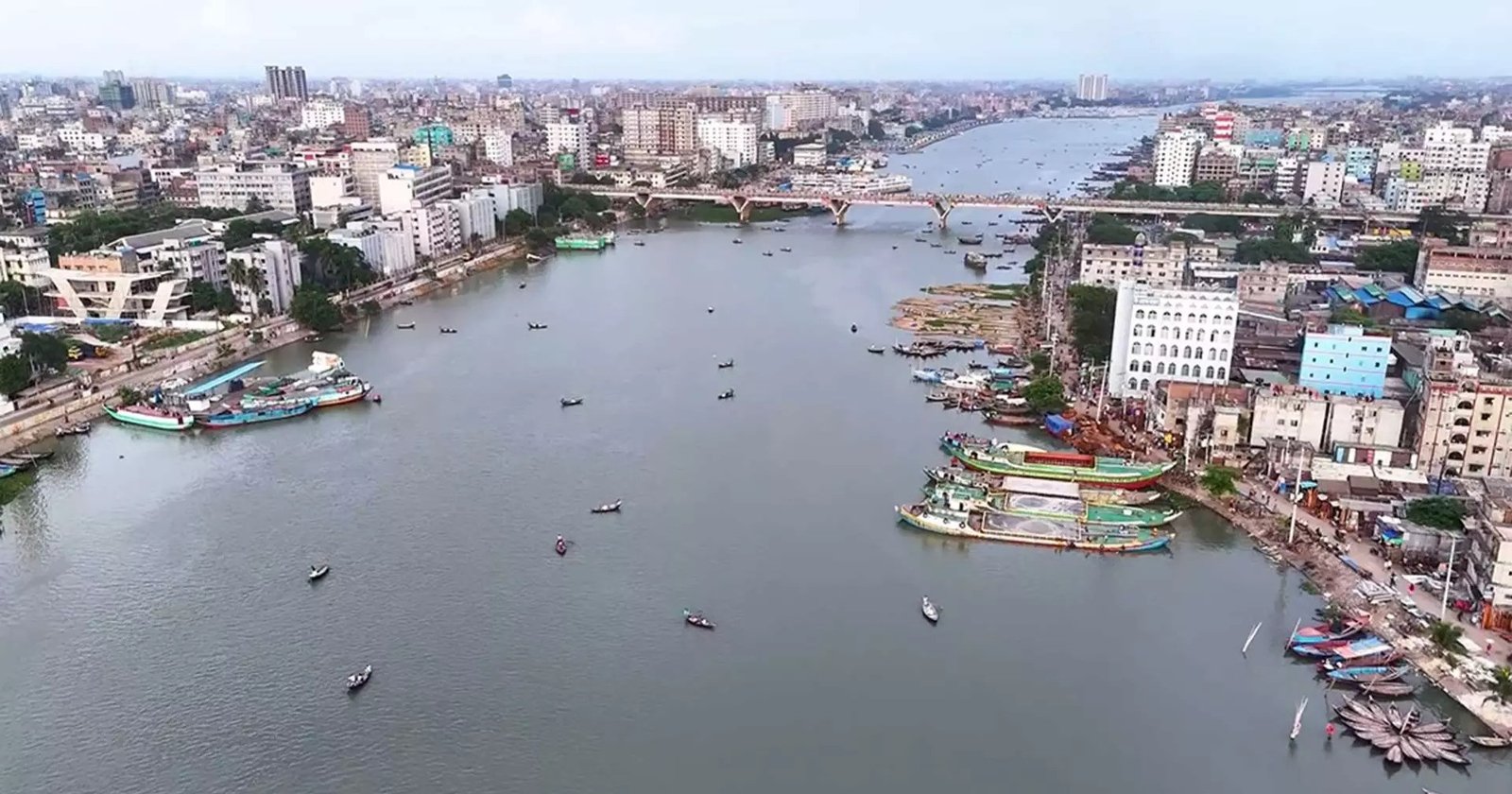
According to a survey by the Ministry of Water Resources, Bangladesh has 1,415 rivers, of which more than 800 are under threat from encroachment and pollution. Thousands of illegal structures have occupied rivers and canals, while untreated industrial waste, tannery discharge, and sewage continue to pollute water bodies.
Deforestation is another major concern. Data from the Forest Department show that forest coverage in Bangladesh remains below international standards and continues to decline due to illegal logging, land grabbing, and agricultural expansion. Hill cutting in vulnerable regions has also increased the risk of landslides, leading to casualties each year.
Air pollution has reached alarming levels as well, particularly due to brick kilns. With more than 7,000 kilns in operation—many lacking environmental clearance—the use of outdated technology and low-quality fuel has made them a major contributor to urban air pollution during the dry season.
Illegal extraction of sand and stone has further exacerbated environmental degradation. Experts say poverty, lack of alternative livelihoods, and low awareness hinder effective enforcement, making stronger institutional action essential.
Although Bangladesh has existing environmental laws, weak implementation has allowed many offenders to evade accountability. In this context, policymakers and analysts are increasingly advocating for a dedicated environmental police unit to ensure stricter enforcement and long-term environmental protection.