Given the continued and chronic natural gas crisis and the limited prospects for significantly improving the situation in the foreseeable future, Liquefied Petroleum Gas (LPG) should be developed as the top alternative fuel in Bangladesh. LPG can serve as the preferred substitute for cooking, small industries, and autogas in the country’s energy transition process.
Bangladesh has already seen that, for several reasons, including supply chain disruptions and weak monitoring of LPG retailers and distributors, the country experienced a brief LPG shock. However, Bangladesh does not face any major constraints in LPG bottling, storage, or distribution capacity. Private sector operators maintain reasonable surplus capacity to meet domestic demand. The Bangladesh Energy Regulatory Commission (BERC) has introduced an agreed LPG pricing model linked to the Contract Price (CP) declared monthly by Saudi Aramco. Despite this, market manipulation by syndicates within the supply chain has created artificial shortages. LPG cylinders were sold at prices far higher than those determined by BERC.
The crisis intensified in late December 2025 and early January 2026, when piped natural gas supply also suffered disruptions due to unfortunate incidents in gas distribution networks, further increasing reliance on LPG.
LPG Market Information in Bangladesh
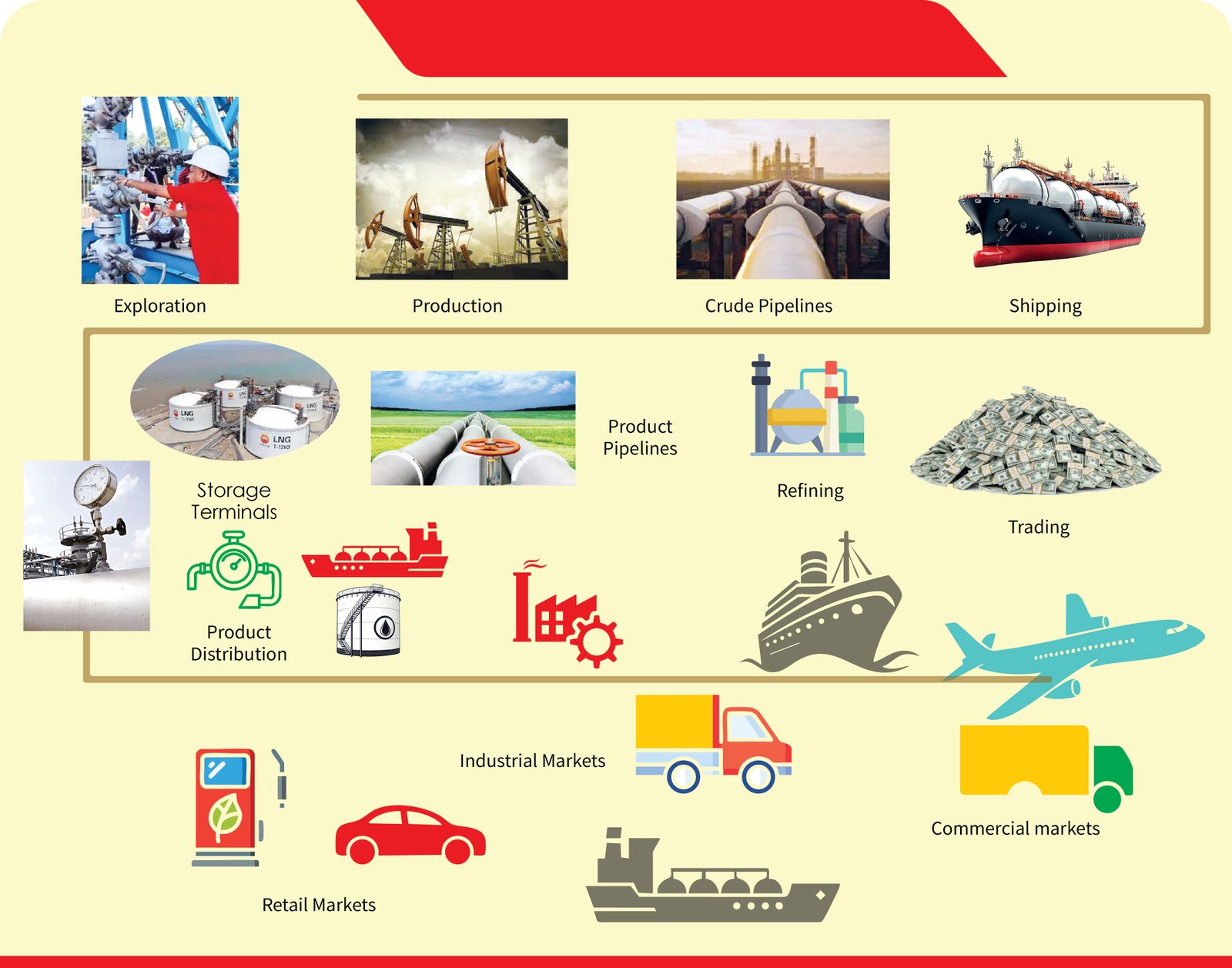
Neither Bangladesh’s gas fields nor its lone refinery are significant sources of LPG used in the country. LPG is almost entirely imported, stored, bottled, and marketed by licensed private sector operators, then distributed and sold by retailers and distributors. State-owned Bangladesh Petroleum Corporation (BPC) is also a market participant.
In 2023, Bangladesh imported about 12.75 lakh tonnes of LPG. Imports increased to around 16.10 lakh tons in 2024, before declining to about 14.65 lakh tons in 2025. At present, more than 4.5 crore LPG cylinders are in use across the country, and over one crore families rely on LPG for cooking. With persistent shortages of piped natural gas, industries have also begun using LPG, while autogas is gaining popularity in the transport sector.
The Energy and Mineral Resources Division (EMRD) has issued LPG licenses to 52 companies, an unusually high number for a relatively small market like Bangladesh. Reports suggest that only 29 companies are actively operating, of which 23 have the capacity to import LPG. In 2025, only 17 companies imported LPG at all, and just eight companies imported LPG on a regular monthly basis. It remains unclear why EMRD issued licenses to so many entities without adequately assessing their technical and financial capacity to operate sustainably.
LPG Use Pattern
|
Sector |
% Use |
|
Domestic Cooking |
80 |
|
Industries |
12 |
|
Transport (Autogas) |
8 |
A major structural challenge is that imported LPG cannot be transported to Bangladesh’s ports by standard large bulk carriers due to insufficient draft. As a result, LPG must be shipped in smaller vessels, significantly increasing transportation costs. Discussions have been ongoing about establishing an LPG terminal—either by the private sector or by BPC—at Matarbari. The sooner such a terminal is implemented, the better for long-term supply stability and cost reduction.
Supply Chain Vulnerabilities and Market Manipulation
The LPG supply chain is often affected by geopolitical factors. In the recent past, supply was disrupted by U.S. enforcement actions against LPG carriers transporting Iranian LPG. Some quarters cited transportation constraints as the main cause of the recent crisis. However, LPG operators argued that there was no real shortage of bottled LPG and instead blamed market manipulation by retailers and traders.
Recent enforcement actions by the police, army, and civil administration have provided evidence that unscrupulous elements formed syndicates to create artificial shortages. Both the government and representatives of the LPG Operators Association of Bangladesh (LOAB) have assured that with intensive market monitoring and increased imports, there should be no LPG shortage during the month of Ramadan.
Regulatory Bottlenecks
One of the most serious challenges facing the LPG business in Bangladesh is the regulatory burden. Operators must obtain as many as 26 licenses and permits from around 10 different offices every year. This process wastes time, increases costs, and makes doing business unnecessarily expensive. There have been long-standing discussions about introducing a single-point regulatory system and issuing licenses for five years, in line with practices in neighboring countries.
EMRD has declared LPG a “Green Energy Sector” and has requested relevant authorities to rationalize taxes and duties. Banks and financial institutions have also been asked to ease lending facilities and simplify letter-of-credit formalities.
What We Must Know About LPG
LPG is a refined product of crude petroleum, consisting of propane, butane, or a mixture of both. It is also produced during the processing of wet natural gas. Gas from most Bangladeshi fields is relatively dry, except for fields like Kailashtila and Beanibazar. A small LPG plant once operated at Kailashtila, and a limited amount of LPG is produced at the country’s lone refinery.
The composition of LPG must vary depending on its use. LPG suitable for domestic cooking may not be appropriate for industrial or transport applications. Until recently, Bangladesh mainly imported LPG for cooking purposes. Now that LPG is increasingly used in industries and transport, imports must ensure the correct propane–butane ratio.
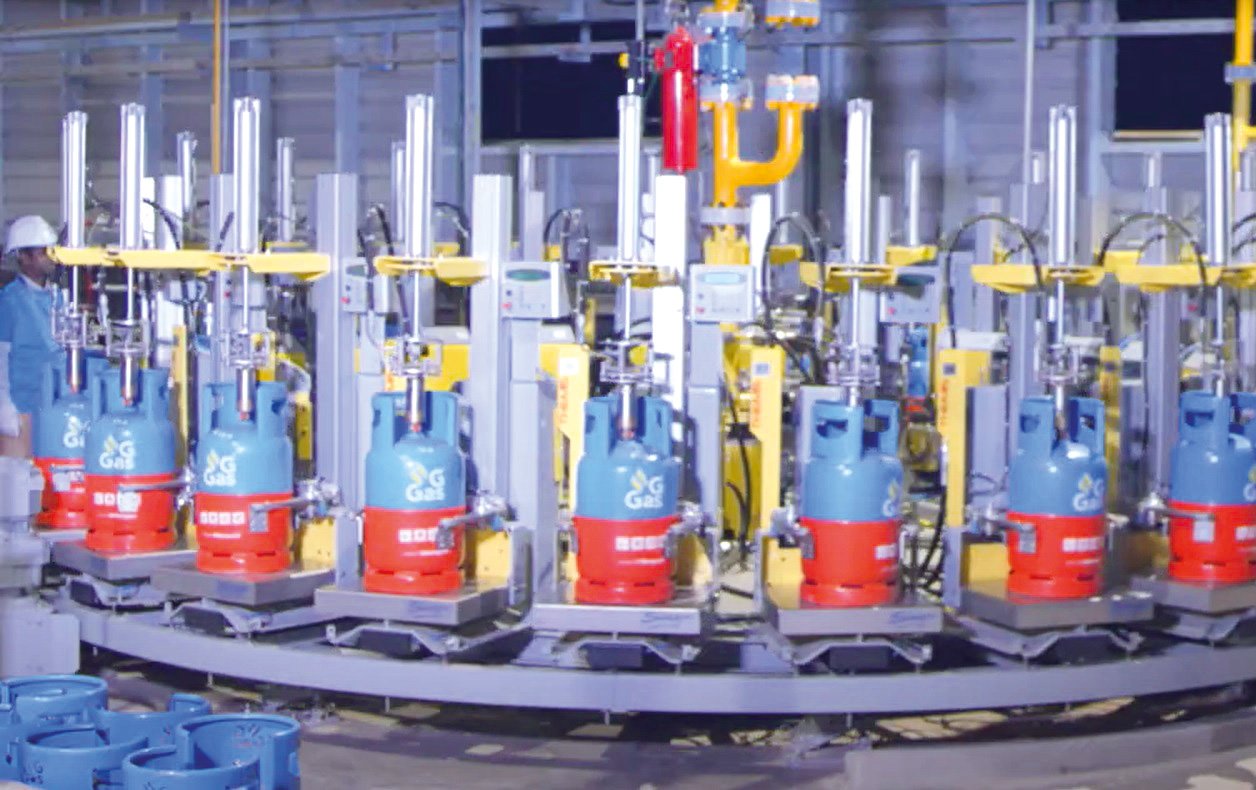
LPG is imported in liquid form, transported by specialized carriers, stored, bottled, and distributed nationwide. The supply chain includes operators, distributors, retailers, and end users, with operators represented by LOAB. Over the past decade, the LPG business has grown rapidly, often with insufficient attention to safety. Allegations persist that some unethical players engage in cross-filling cylinders and even add water or sand. Substandard regulators and hose pipes are also commonly used.
Due to limited consumer awareness, accidents—sometimes fatal—occur regularly. Operators argue that the high cost of compliance, driven by approvals from dozens of authorities, adds to business costs. Transportation costs remain high due to reliance on smaller vessels. Plans for land-based terminals at Moheshkhali or Matarbari remain under discussion.
LPG is currently the only fuel in Bangladesh that does not receive subsidies; instead, the government earns revenue from it. Rationalizing taxes and duties could lower costs for consumers. BERC can develop standards for cylinders, regulators, and accessories, while a single authority should monitor and regulate the sector. There are also calls to reassess the number of licensed operators and limit them to 20–25, while bringing distributors and retailers under stricter oversight.
Why LPG Should Be the Preferred Interim Alternative Fuel
Only a small segment of urban residents with pipeline connections benefits from natural gas. New household gas connections have remained suspended for years, with no realistic prospect of resumption. As a result, the vast majority of citizens depend on LPG for cooking.
Bangladesh’s LPG market has grown rapidly to about 1.5 million tons per year. Experts argue that issuing licenses to 52 operators is excessive. Industries suffering from gas shortages should be encouraged to convert to LPG, supported by incentives for necessary investments. If required, limited subsidies could be provided to households to make LPG more affordable.
Conclusion
Bangladesh has few viable options other than prioritizing LPG as an alternative fuel during its energy transition. However, the sector must be operated fairly and safely, ensuring LPG remains affordable and readily available. With increased industrial and transport use, Bangladesh could become a significant LPG market and should collaborate with regional buyers to secure better import terms.
Licensing and permits should be issued through a single authority, preferably BERC, with license validity extended to five years. Licenses of inactive operators should be revoked. Operators, distributors, and retailers must be regulated and audited. Substandard equipment must be eliminated to reduce accidents. Media should play a stronger role in educating users on safe LPG use, while BERC and LOAB should conduct regular training for distributors and retailers.
Finally, BERC should set and enforce standards for cylinders, regulators, and accessories, while working closely with the Explosives Department to ensure safety and fair market practices across the LPG sector.
Saleque Sufi, Energy & Climate Expert
Download Article As PDF/userfiles/EP_23_17_Article.pdf