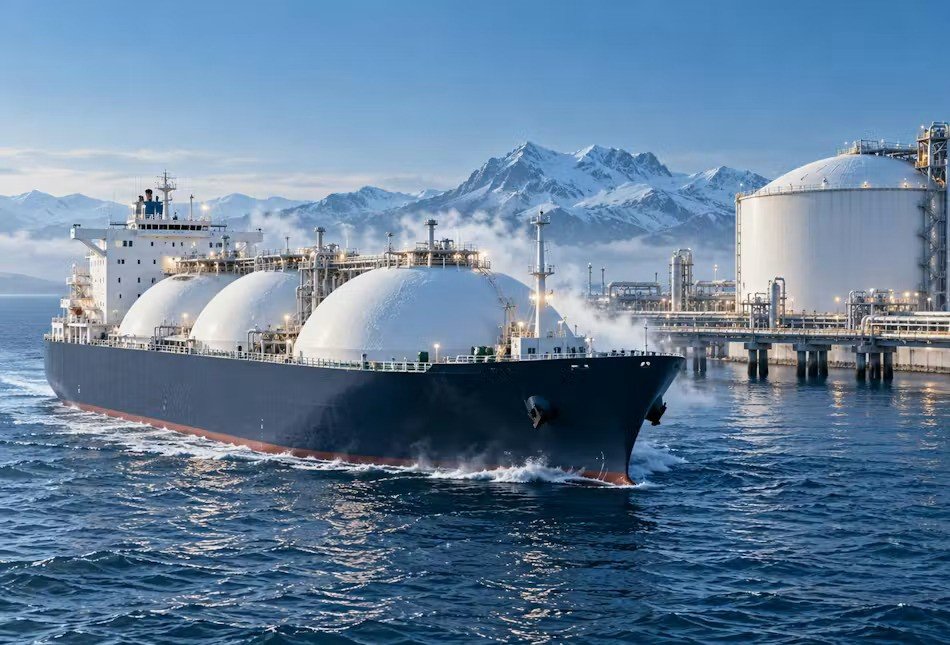
October 21, 2026 — Prolonged disruptions to liquefied natural gas (LNG) shipments through the Strait of Hormuz are tightening global gas markets, with limited alternative supplies raising the risk of demand cuts and prolonged market volatility into 2027. Report Oil & Gas Journal
The disruptions, linked to regional conflict and attacks on commercial shipping, have sharply reduced LNG exports from Qatar and the United Arab Emirates. Their combined exports averaged 1.73 billion cubic meters (BCM) per month between March and September, compared with a five-year pre-crisis average of 9.37 BCM, according to an analysis cited in the report.
European gas markets are under particular pressure as winter approaches with below-average storage levels. Dutch TTF gas futures traded at around €88 per megawatt-hour on October 19, while European Union gas storage was 74.6% full on October 18, against a five-year seasonal average of approximately 89%. Germany’s storage level was about 61%.
An analysis by the Oxford Institute for Energy Studies (OIES) warns that alternative exporters may be unable to compensate fully for prolonged Gulf supply disruptions.
Under an OIES scenario in which Gulf LNG exports resume in October 2027 rather than April, the market would face a 49 BCM supply gap for 2027. Additional supplies from other exporters would cover only 7.3 BCM, leaving 41.7 BCM—or about 85% of the shortfall—to be absorbed through lower imports and reduced demand.
The outlook highlights the vulnerability of LNG-importing economies to prolonged supply disruptions, with higher prices and competition for available cargoes potentially putting additional pressure on energy security and industrial consumers.