Mollah Amzad Hossain from Antalya, Türkiye
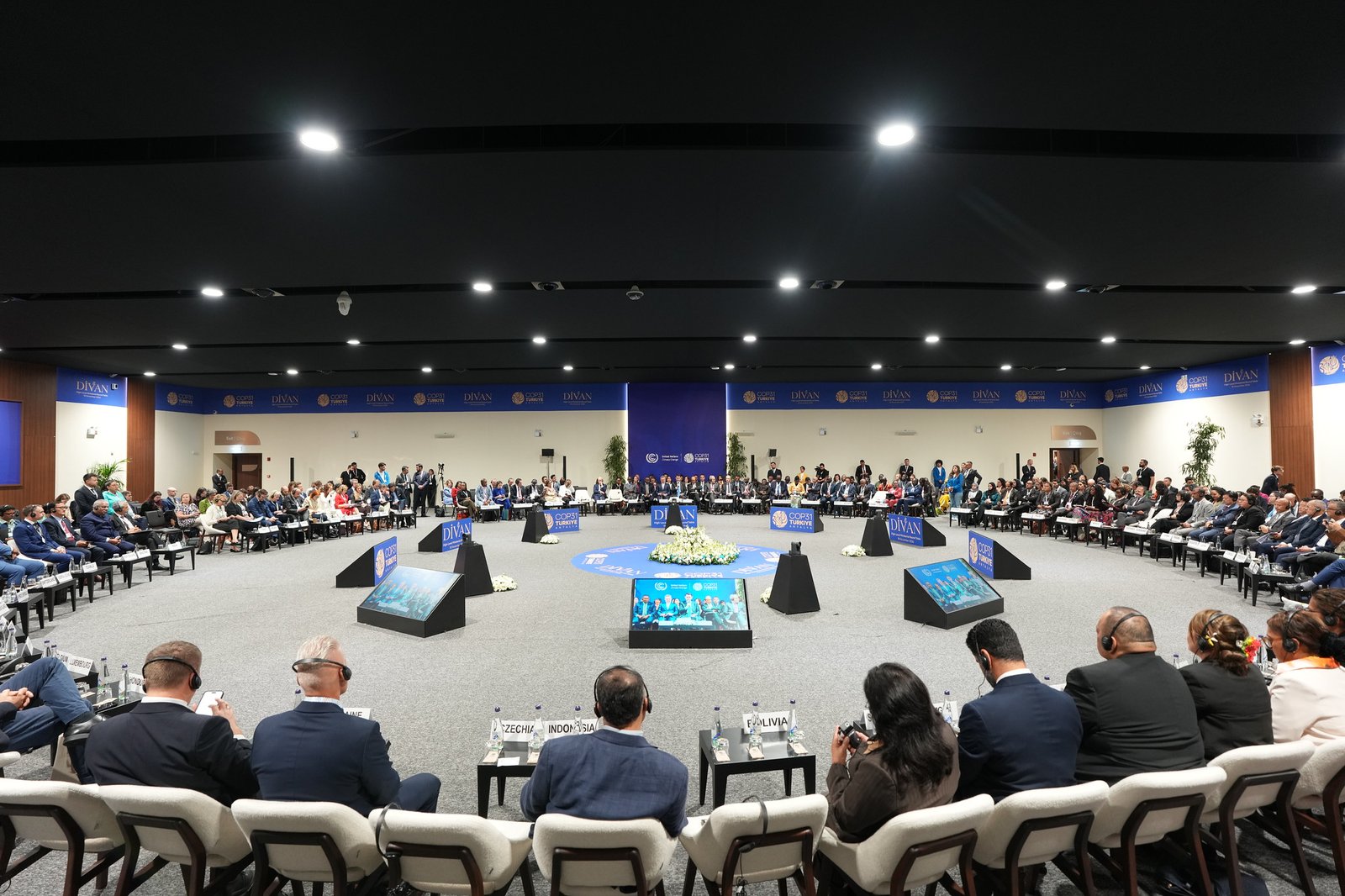
ANTALYA, November 18, 2026: As COP31 entered its final days, the Turkish and Australian Presidencies brought ministers together through Türkiye’s centuries-old Divan tradition, seeking to narrow political differences and build common ground for an agreement on the conference’s outstanding issues.
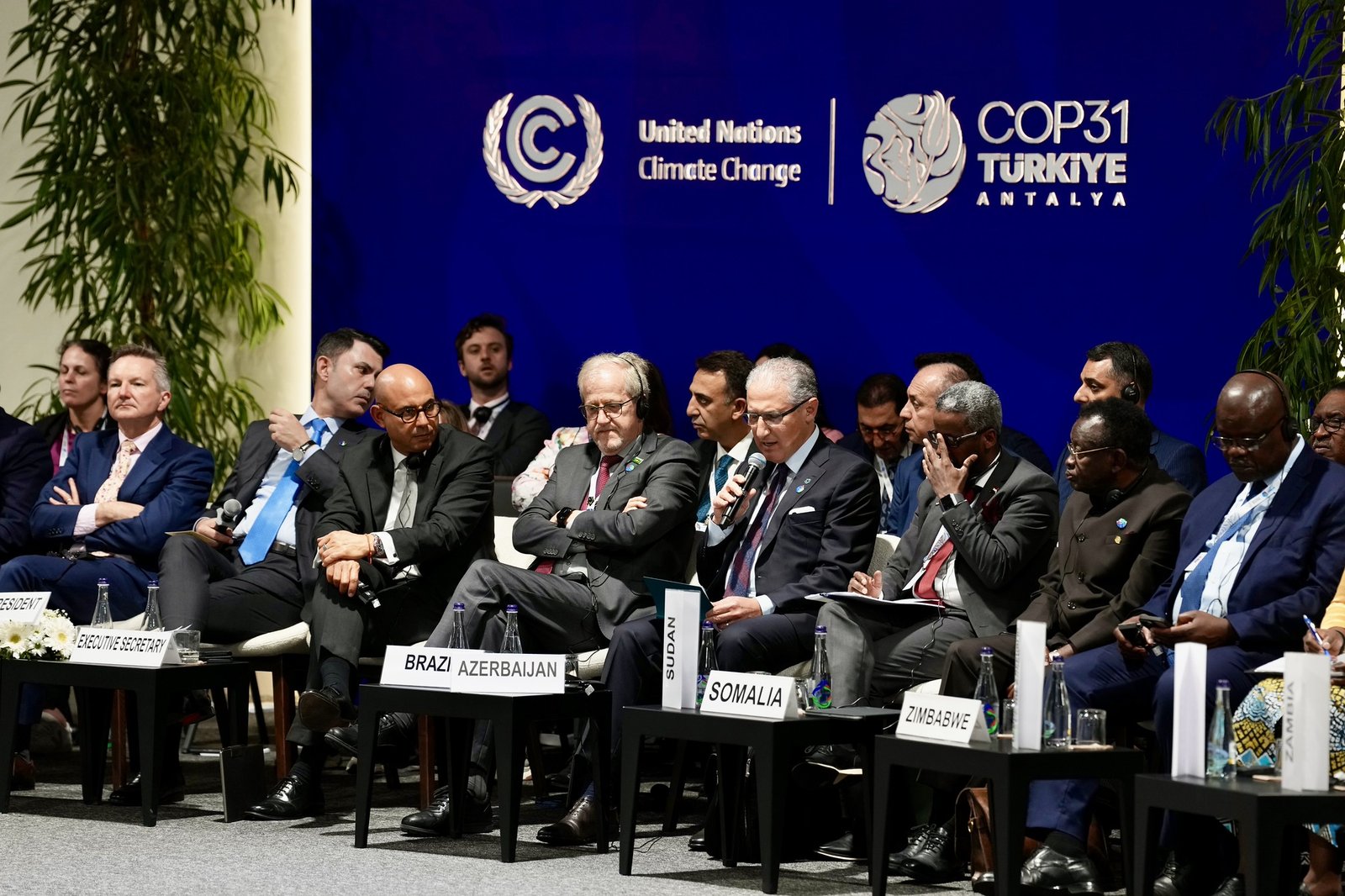
Chaired by COP31 President Murat Kurum, the informal Divan meeting brought together ministers from more than 100 countries, representatives of negotiating groups and observer constituencies. The four-hour discussion, held in the Blue Zone, was designed to help connect negotiations across different tracks and identify areas where countries could move towards a balanced overall outcome.
COP31 President of Negotiations Chris Bowen opened the discussions. UN Climate Change Executive Secretary Simon Stiell and UN Climate Action Special Adviser Selwin Hart also addressed the gathering.
The Divan provided ministers with an opportunity to exchange views directly, explain their countries’ priorities and identify what would be needed to reach agreement. The Presidency intends to use the contributions to bring together the work of ministerial pairs, Presidency consultations and technical negotiations into a coherent package before the conference closes on November 20.
The initiative draws on the historical tradition of the Divan, particularly the Ottoman Imperial Council, or Divan-? Hümayun, which dates back to the 15th century. It served as a forum where officials responsible for diplomacy, administration, finance and justice deliberated on major affairs of state. The tradition emphasised consultation, collective judgment and the need to consider interconnected responsibilities before reaching decisions.
In a similar spirit, the COP31 Divan sought to create space for frank exchanges across the negotiating agenda rather than simply repeating established national positions.
“We need to have a clear understanding of both the areas where we are converging and those where differences remain,” Kurum said. “What we need at this stage is not so much to reiterate our respective positions, but rather to identify where we can move forward together.”
Calling on participants to follow the spirit of the Divan, he urged ministers to listen to one another, broaden common ground and translate possible areas of agreement into concrete outcomes.
Kurum said the views expressed at the meeting would inform the Presidency’s consultations throughout the remainder of the week. He also assured participants that their proposals would not remain confined to the meeting room but would be reflected, as far as possible, in the negotiating process and the proposed Cover Decision.
“Our aim is clear: we want Antalya to deliver not only strong messages but also strong implementation decisions that shape the future,” he said.
Bowen said the meeting offered an opportunity for countries to demonstrate their ability to work together on climate change while responding to the economic and energy pressures facing people around the world.
“This is a chance for the world to show we can work together on climate change and deliver on the real economic and energy pressures people are facing,” he said.
“Now we need to build on common ground and deliver an ambitious, balanced and practical message to the world.”
The Divan comes at a critical moment for COP31. Despite progress on several technical agenda items, significant differences remain over climate finance, adaptation, fossil fuel transition, just transition and the proposed Cover Decision. The Presidency is seeking to narrow those divisions through ministerial consultations and produce a revised text for Parties to consider.
The meeting does not itself constitute a negotiating decision. Rather, it is a political consultation intended to help the Presidencies identify possible compromises and build support for an overall package.
With the conference scheduled to conclude on November 20, the success of the Divan will depend on whether the political understanding developed among ministers can be translated into consensus-based decisions in the formal negotiations.