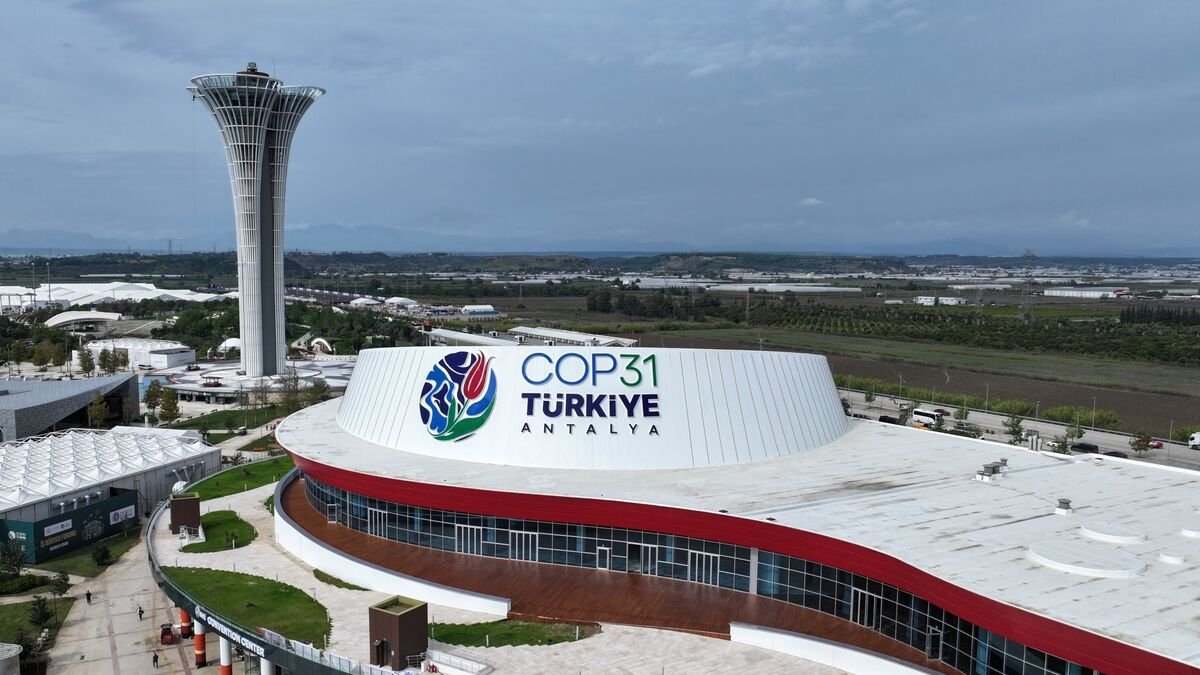
ANTALYA, Türkiye, November 9, 2026: The 31st United Nations Climate Change Conference (COP31) opened in Antalya on Monday, bringing together representatives of nearly 200 countries amid growing pressure to translate climate commitments into concrete action. With energy security concerns, escalating climate impacts and the widening gap between climate finance needs and available resources dominating the global debate, the summit is expected to focus on accelerating electrification, expanding renewable energy, strengthening climate resilience and advancing a fair transition away from fossil fuels.
The conference, hosted by Türkiye from November 9 to 20, comes at a critical moment for international climate cooperation. Ten years after the Paris Agreement, countries are under increasing pressure to demonstrate measurable progress towards limiting global warming to 1.5 degrees Celsius above pre-industrial levels. The conference is taking place against a challenging geopolitical and economic backdrop, with energy market volatility and rising electricity demand complicating efforts to reduce greenhouse gas emissions.
Electrification at the heart of COP31
One of the central priorities of the Turkish COP31 presidency is to accelerate the electrification of the global economy. Türkiye is promoting the proposed 35-by-35 Global Electrification Pledge, which aims to increase electricity’s share of global final energy consumption to at least 35 percent by 2035, from around one-fifth today.
The initiative is intended to accelerate the replacement of fossil-fuel-powered vehicles, industrial equipment, heating systems and cooking technologies with electricity, while expanding the role of renewable energy. The International Energy Agency (IEA), a strategic partner of the COP31 presidency, has provided technical support for the initiative and will contribute analysis on electrification, energy efficiency and clean energy investment.
However, achieving this ambition will require more than expanding electricity consumption. Countries will need substantial investment in solar and wind power, modern electricity grids, battery storage and other flexible technologies. Developing economies will also need affordable financing and access to technology to ensure that electrification does not increase dependence on imported fossil fuels.
The Turkish presidency has also placed emphasis on reducing methane emissions, improving energy efficiency in buildings, developing resilient cities, promoting clean cooking and advancing zero-waste initiatives. These priorities connect the energy transition with wider efforts to reduce emissions across industry, transport, buildings and agriculture.
Fossil fuel transition and climate negotiations
The future of coal, oil and gas is expected to remain a major issue at COP31. Countries will face pressure to build on the commitments and discussions of previous climate conferences and establish clearer pathways for reducing fossil fuel dependence. The challenge will be to reconcile emission-reduction targets with energy affordability, security and the development needs of emerging economies.
COP31 has an unusual leadership arrangement. Türkiye is hosting the conference and leading its Action Agenda, while Australia is chairing the formal negotiations under Climate and Energy Minister Chris Bowen. This division of responsibilities is intended to combine political leadership and practical initiatives with progress on the formal negotiating agenda.
Climate finance will be another decisive issue. Developing countries are demanding predictable and accessible financial support to implement their climate plans, strengthen adaptation and address loss and damage. Negotiations are likely to focus on how developed countries and international financial institutions can mobilise greater resources, improve access to funding and ensure that vulnerable nations are not left to bear the growing costs of a crisis they contributed relatively little to creating.
Adaptation is particularly important for countries facing rising sea levels, floods, droughts, extreme heat and increasingly unpredictable weather. The experiences of Pacific island states have received particular attention in the COP31 preparatory process, including through the pre-COP meeting in Fiji and a leaders’ gathering in Tuvalu.
Bangladesh’s priorities at the Leaders’ Summit
Bangladesh Prime Minister Tarique Rahman is expected to participate in the World Leaders’ Summit on November 11–12. His participation will provide an opportunity to highlight the country’s climate vulnerabilities, adaptation requirements, energy transition priorities and demand for increased international climate finance.
For Bangladesh, the discussions on climate finance and adaptation are especially significant. The country faces recurring floods, cyclones, river erosion, salinity intrusion and rising temperatures, while also seeking to expand electricity access, renewable energy and industrial development. Mobilising affordable finance and technology will be essential to balancing these priorities.
Bangladesh can also use the summit to seek stronger international cooperation on rooftop solar, utility-scale renewable energy, energy storage, grid modernisation and energy efficiency. At the same time, it will need to emphasise that developing countries require adequate financial and technological support to pursue lower-carbon development without compromising energy security and economic growth.
From promises to implementation
The World Leaders’ Summit on November 11–12 is expected to provide an important political platform for heads of state and government to outline their climate priorities and commitments. The subsequent negotiations will determine how far those commitments can be translated into agreed outcomes before the conference closes on November 20.
COP31 is therefore being watched not only for new declarations but also for evidence of implementation. Its success will depend on whether governments can advance practical measures on electrification, renewable energy, climate finance, adaptation and a just transition.
For countries such as Bangladesh, the most important outcome will be whether global climate commitments lead to accessible finance, technology transfer and stronger support for vulnerable communities. The challenge in Antalya is clear: move beyond repeated promises and deliver action at a scale and speed that match the urgency of the climate crisis.