Bangladesh is entering the next phase of its energy transition with substantial power generating capacity and a diversified fuel mix. The country has close to 30 GW of grid-connected capacity, compared with an all-time peak generation of over 17 GW recorded in May 2026. The power system utilizes a range of fuels, including natural gas, coal, oil, imports, and a growing share of renewable energy resources, providing greater operational flexibility and reducing reliance on any single energy source. However, ensuring efficient use of existing capacity, fuel security, and financial sustainability remains a key challenge for the sector.
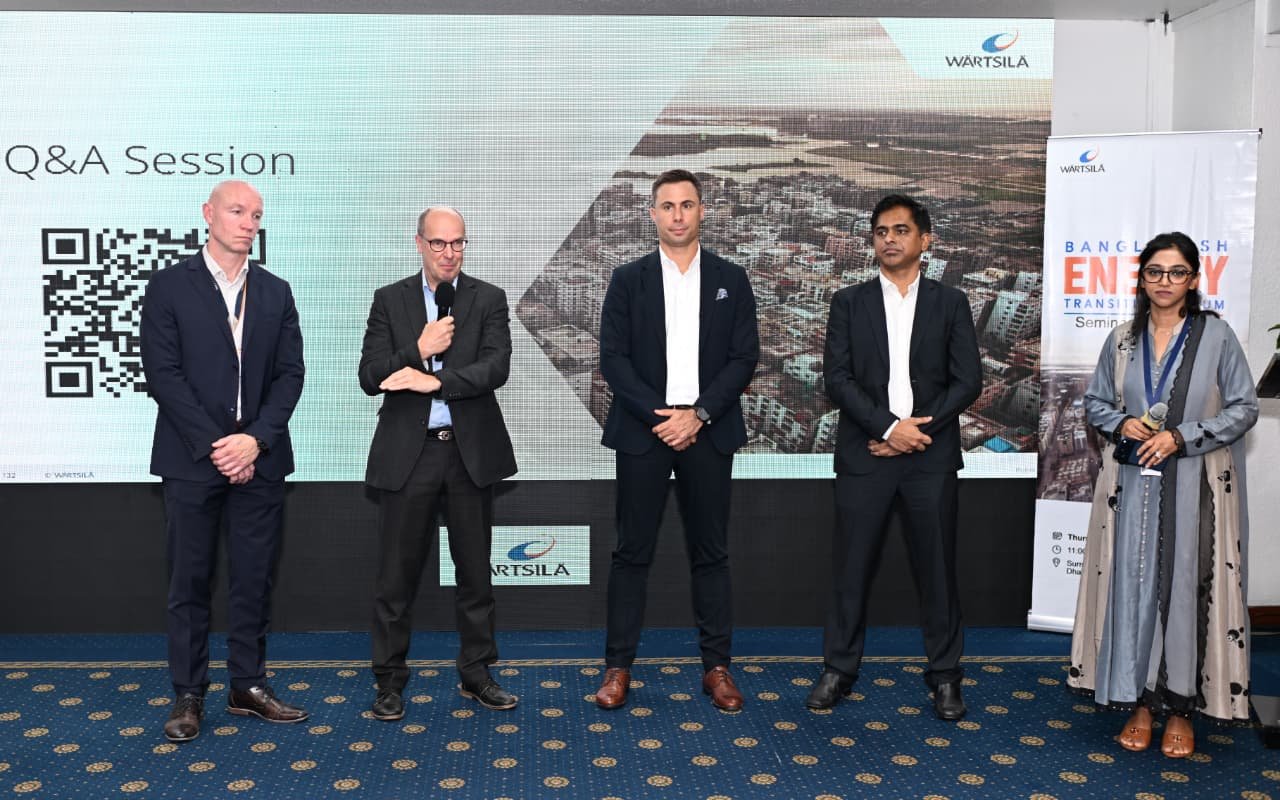
Technology group Wärtsilä hosted the Bangladesh Energy Transition Forum at the Pan Pacific Sonargaon in Dhaka on 15 October 2026. The event brought together approximately 70 senior representatives from government, utilities, independent power producers, and industry, to discuss how flexible generation, sustainable fuels, and grid-supporting solutions can complement renewable energy and strengthen the long-term resilience of Bangladesh’s power system.
The forum opened with Göran Richardsson, Energy Business Director, South Asia, Wärtsilä Energy, presenting Wärtsilä’s global energy expertise and its long-standing presence in Bangladesh.
“Bangladesh has a strong foundation for the next phase of its energy transition, with substantial generating capacity and a diversified fuel mix,” said Göran Richardsson. “This creates an opportunity to accelerate renewable energy deployment while using flexible power plants to maintain system reliability. By operating these assets according to the needs of the power system, Bangladesh can make more efficient use of its available fuel resources and support reliable, affordable electricity.”
Patrik Farkas, General Manager, Growth and Development, Middle East and Asia, Wärtsilä Energy, outlined global energy transition trends and the growing need for flexible, dispatchable capacity. He also shared operational experience from balancing power plants in power systems with high shares of renewable energy. One example was the 211 MW Barker Inlet Power Station in South Australia, where variable renewables supplied 78% of electricity in the 2024 to 2025 financial year.
Farkas also discussed the role of flexible engine power plants in supporting the rapidly growing electricity needs of data centers in markets where grid connections are constrained or face long lead times. On-site engine power plants can provide data centers with reliable power while supporting their long-term transition towards sustainable fuels. In the United States, Wärtsilä has booked seven data center-related orders, bringing the total power capacity to more than 3 GW.
Ulrik Friis, Senior Product Manager, Sustainable Fuels and Performance Upgrades, Wärtsilä Energy Services, presented practical pathways for converting existing liquid-fuel power plants to liquefied natural gas (LNG) and liquefied petroleum gas (LPG), and discussed the future role of sustainable fuels, such as hydrogen.
A central theme of the forum was how Bangladesh can make the most of its existing power generation assets while preparing for future electricity demand. Speakers highlighted three priorities for the next phase: accelerating the deployment of variable renewable energy to help meet growing electricity demand and reduce exposure to fuel costs, operating existing flexible power plants in a flexible way so that available fuel is used where it delivers greatest value, and preparing these plants to run on low-carbon and, over time, carbon-free fuels.
Mostafa Zahed Hossain, Managing Director, Wärtsilä Bangladesh Ltd., said: “Wärtsilä has supported Bangladesh’s power sector for about three decades. We have stood alongside our customers and stakeholders through challenging times and as the sector has evolved, and the engine power plants we have delivered continue to support the grid every day. Over the years, we have also built strong local competence, and our Bangladesh team now supports Wärtsilä’s network and power plants around the world. As the country adds more renewables, we are ready to help our customers balance variable renewable output, improve fuel efficiency, and prepare their plants for sustainable fuels.”