EP Desk
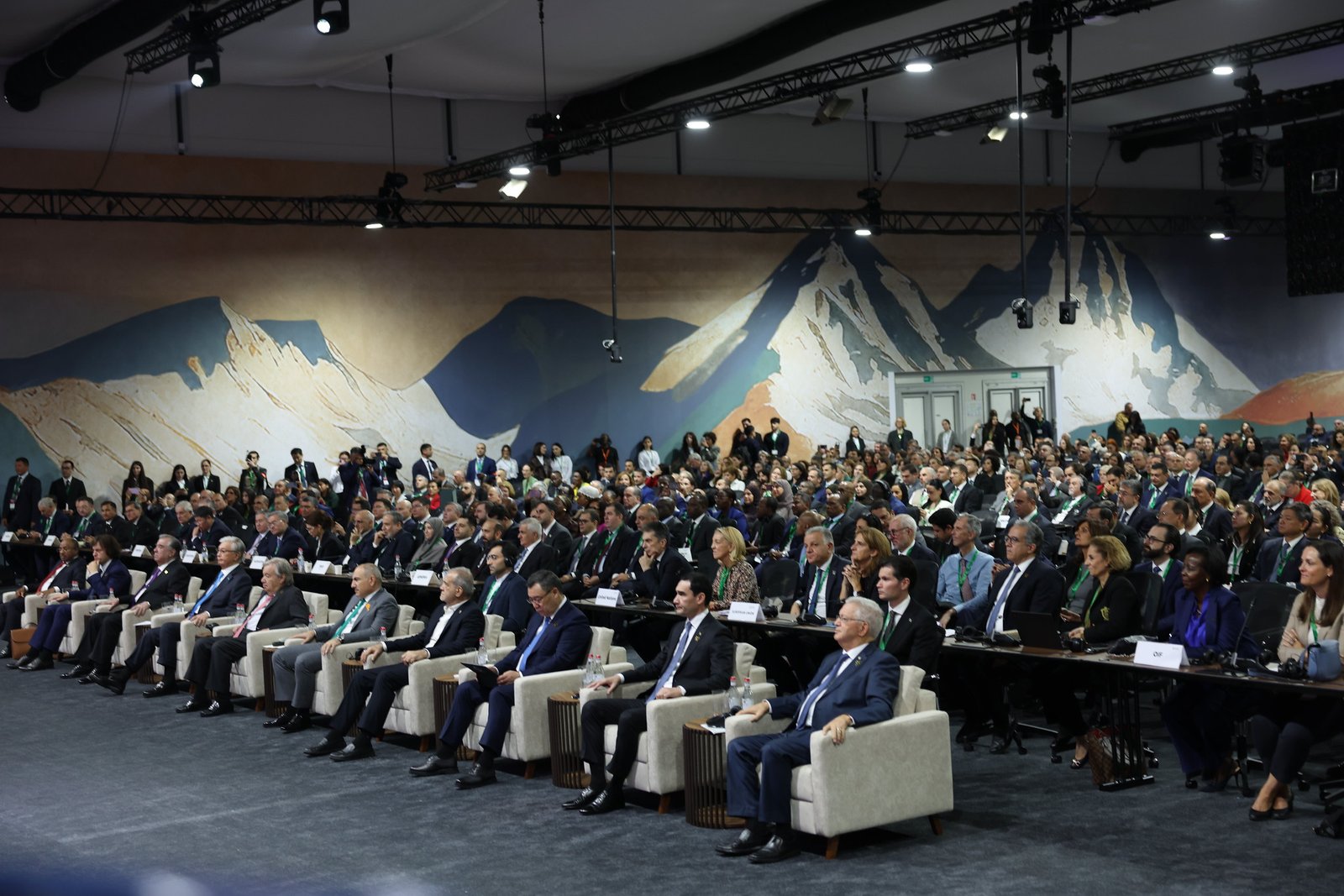
YEREVAN, Armenia, October 16, 2026: A new international alliance of nine private donors has pledged an additional US$500 million by 2030 to support the recovery of threatened species across more than 100 countries, marking a major funding announcement at the COP17 Leaders’ Summit on Biodiversity in Yerevan.
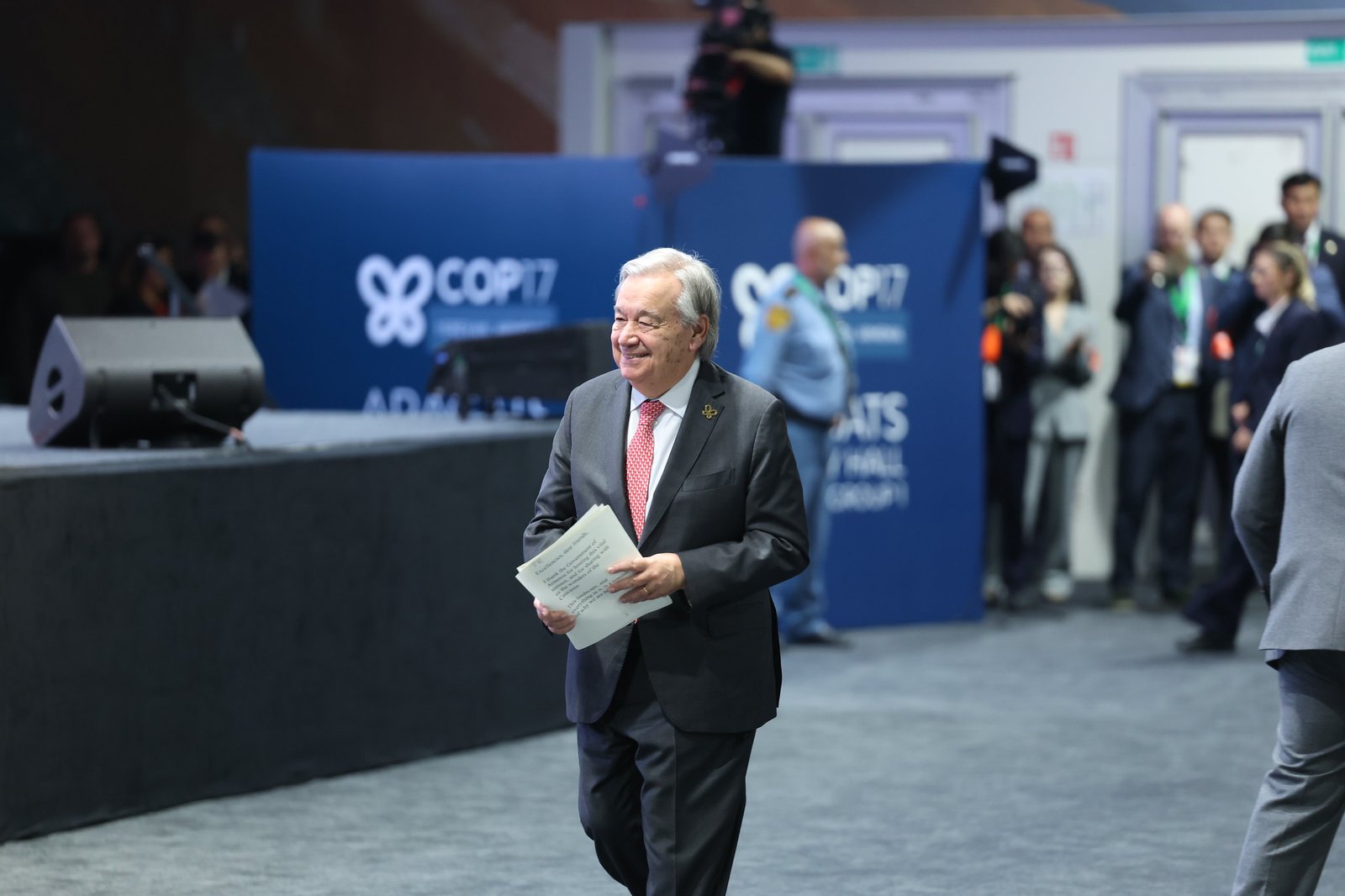
Dr Christian Samper, Managing Director and Leader for Nature Solutions at the Bezos Earth Fund, announced the initiative, known as the Species Recovery Donor Alliance, on Friday. The collective commitment aims to accelerate efforts to prevent extinctions and restore threatened species populations under Target 4 of the Kunming-Montreal Global Biodiversity Framework (KMGBF).

The announcement comes at a critical moment for global biodiversity conservation, as governments prepare to assess progress towards the framework’s 2030 targets at the 17th Conference of the Parties to the Convention on Biological Diversity (CBD COP17).
The Leaders’ Summit, held under the theme “Leaders for Nature,” is bringing together political leaders, international organizations, scientists, Indigenous Peoples, local communities and other stakeholders to strengthen political commitment and mobilize action to protect nature.
The main COP17 conference will take place from October 19 to 30 in Yerevan, Armenia, marking the first global review of collective progress towards implementing the KMGBF, adopted in 2022.
Nine Donors Commit $500 Million
Announcing the new initiative, Samper said the Species Recovery Donor Alliance was being launched jointly by the Bezos Earth Fund and eight other private donors.
The participating organizations are the Ayers Wild Conservation Trust, Bezos Earth Fund, Colossal Foundation, Critical Ecosystem Partnership Fund, Fundación Segré, Fundación Franklinia, Rainforest Trust, Re:wild and Wildlife’s Earth.
Together, they have pledged to invest an additional $500 million by 2030 to support threatened species recovery in more than 100 countries.
The funding is intended to help governments and conservation organizations implement Target 4 of the KMGBF, which calls for urgent action to halt human-induced extinctions and support the recovery and conservation of threatened species.
The $500 million commitment is a collective pledge by the nine donors, rather than a contribution from the Bezos Earth Fund alone. Samper did not disclose the individual contribution of the Fund.
Highlighting the urgency of the initiative, Samper referred to the scale of the global extinction crisis. According to the figures cited in his address, more than 31,000 species are classified as extinct in the wild, critically endangered or endangered. More than 10,000 are critically endangered, and approximately 10% of these have populations of fewer than 50 individuals.
He stressed that protecting habitats alone would not be sufficient for every species, making targeted conservation interventions necessary to prevent irreversible losses.
Conservation Funding Reaches $3.7 Billion
Samper also reported significant progress under the Protecting Our Planet (POP) coalition, a partnership of 12 private donors that committed $5 billion by 2030 to support the conservation of at least 30% of the world’s land and oceans.
The coalition expects to have awarded $3.7 billion of its $5 billion commitment by the end of 2026, putting it ahead of schedule towards its 2030 funding goal.
The POP initiative supports the global ambition known as “30 by 30,” which seeks to conserve at least 30% of terrestrial, inland water, coastal and marine areas by 2030.
Samper highlighted several initiatives supported by the coalition and its partners.
In the Eastern Tropical Pacific, cooperation with the governments of Costa Rica, Panama, Colombia and Ecuador has helped expand marine protected areas covering approximately 610,000 square kilometers. POP and other public and private donors have contributed $170 million to support this work.
The coalition has also invested more than $110 million, alongside Germany and other public donors, in the Legacy Landscapes Fund. The initiative supports the protection of 16 landscapes covering approximately 500,000 square kilometers across four continents.
In Brazil, a $120 million investment in the Arpa Comunidades initiative is intended to support the protection of 24 million hectares of Amazon forest. Another $180 million was announced for the Gabon Infini project to help Gabon advance its 30-by-30 conservation commitment.
The coalition has also committed $100 million to the Unlocking Blue Pacific Prosperity Initiative, working with 16 Pacific Island nations to support marine conservation, including the protection of 30% of their exclusive economic zones.
In addition, more than $60 million has been announced to support the ratification and implementation of the High Seas Treaty, which is expected to contribute to international efforts to protect marine biodiversity beyond national jurisdiction.
These initiatives demonstrate how philanthropic funding can help governments establish protected areas, strengthen conservation programs and develop longer-term financing mechanisms.

Governments Launch Endangered Species Coalition
The Leaders’ Summit also saw the launch of the Coalition of Action to Recover Endangered Species (CARES), a government-led initiative involving Armenia, Colombia and 14 other founding countries.
The coalition aims to strengthen international cooperation and political leadership on threatened species recovery.
According to Samper, CARES will receive support from the Reverse Action Network and the International Union for Conservation of Nature’s Species Survival Commission, which brings together more than 10,000 experts and hundreds of conservation organizations.
The initiative is intended to complement private-sector and philanthropic funding with stronger government action, scientific expertise and coordinated conservation programs.
Samper welcomed the leadership of Armenia, Colombia and the other founding countries, calling for greater ambition from both governments and funders.
The launch of CARES, alongside the new donor alliance, highlights an emerging approach that combines public policy, private finance and scientific cooperation to address the accelerating loss of biodiversity.
COP17 Faces Critical Implementation Challenge
The funding announcements come as the international community approaches the midpoint between the adoption of the KMGBF in 2022 and its 2030 deadline.
The framework establishes 23 global targets to halt and reverse biodiversity loss, restore degraded ecosystems, reduce harmful incentives and mobilize resources for conservation.
However, progress remains insufficient across several major targets.
A Reuters report published on October 14 highlighted that current national commitments would conserve approximately 27% of the world’s land and inland waters by 2030, compared with around 20% today. Marine protection is projected to rise from approximately 10% to only 12%, well below the 30% target.
The funding gap and the continued flow of financial incentives towards environmentally damaging activities are also expected to feature prominently in discussions at COP17.
The conference will provide governments with an opportunity to assess national implementation, identify gaps in financing and policy, and agree on measures to accelerate action towards the 2030 goals.
The summit’s announcements offer new financial commitments and partnerships, but their ultimate contribution will depend on how effectively funding is translated into measurable conservation outcomes.
From Political Commitments to Action
The Leaders’ Summit is intended to provide political momentum ahead of the formal negotiations at COP17. The wider conference will bring together representatives of governments, international organizations, Indigenous Peoples, local communities, scientists, civil society and the private sector.
The agenda will focus on accelerating implementation of the KMGBF, strengthening biodiversity finance and improving cooperation to protect ecosystems and threatened species.
For developing countries, including Bangladesh, the outcomes could have important implications for conservation finance, ecosystem restoration, sustainable resource management and the protection of biodiversity.
The new $500 million Species Recovery Donor Alliance and the POP coalition’s progress demonstrate the potential contribution of private philanthropy to global conservation. However, funding commitments alone cannot reverse biodiversity loss without effective policies, strong institutions, scientific monitoring and meaningful participation by local communities.
As COP17 begins its formal proceedings on October 19, the central challenge will be to turn political pledges and financial commitments into tangible results for nature before the 2030 deadline.