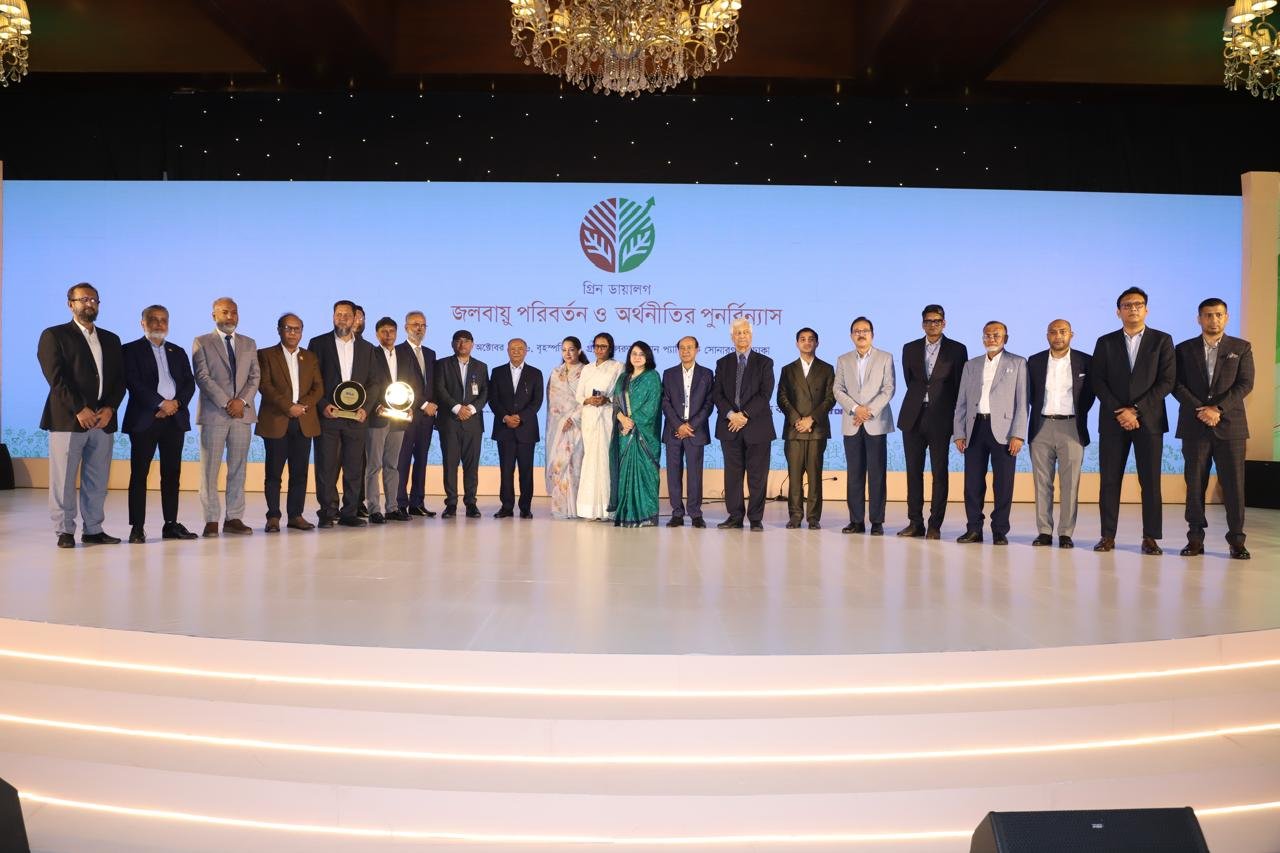
Dhaka, October 15, 2026: Bangladesh must strengthen its economic resilience to cope with the growing impacts of climate change, Environment, Forest and Climate Change Minister Abdul Awal Mintoo said on Thursday, warning that rising temperatures, floods, droughts and salinity are increasingly threatening agriculture, industry and livelihoods.
He made the remarks as the chief guest at a discussion titled “Green Dialogue: Climate Change and Economic Restructuring”, organised by Bonik Barta at the Pan Pacific Sonargaon Hotel in Dhaka.
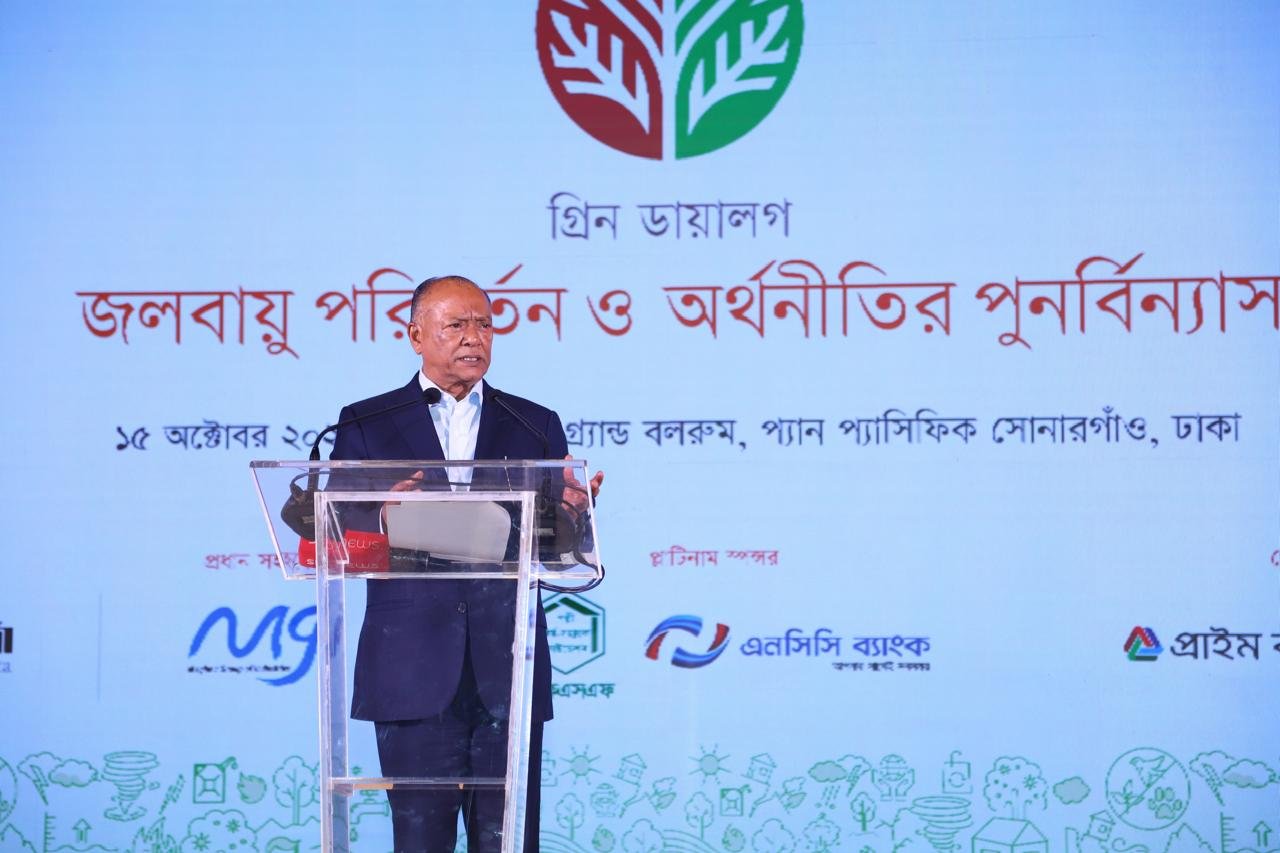
Mintoo said climate change was no longer a future threat but a present economic challenge. Rising heat is reducing industrial workers’ productivity, while increasing salinity in coastal areas is putting pressure on farmland and freshwater supplies. Floods, excessive rainfall and droughts are also disrupting agricultural production and damaging roads and transport infrastructure, raising costs and threatening industrial output, exports and employment.
Referring to Bangladesh’s economic challenges, including slower growth, inflation, investment constraints and pressure on the energy sector, the minister cited a World Bank forecast projecting GDP growth of 3.4% in FY2025–26. Although the figure was not final, he said it highlighted the need to strengthen economic resilience and integrate climate risks into development planning.
Agriculture remains critical to food security, rural employment, poverty reduction and market stability, he said. Despite improvements in irrigation, the sector remains heavily dependent on weather conditions, making it particularly vulnerable to floods, droughts and salinity. Timely adaptation measures, preventive action and better preparedness are therefore essential to reducing economic losses.
Prime Minister’s Special Assistant for Environment, Forest and Climate Change Dr Md Saimum Parvez said Bangladesh contributes relatively little to global climate change but faces severe consequences, including internal displacement, salinity, floods and cyclones. He called for coordinated efforts to support the global transition from fossil fuel dependence to renewable energy.
During a panel discussion moderated by Bonik Barta Editor and Publisher Dewan Hanif Mahmud, business leaders and experts stressed the importance of green industrialisation, renewable energy, energy efficiency, climate finance, sustainable agriculture and stronger public-private partnerships.
The event recognised Hams Garments Limited and Infrastructure Development Company Limited (IDCOL) for their contributions to environmentally friendly industrialisation and climate finance. Hams Garments was recognised for achieving a score of 108 out of 110 under the international LEED Platinum certification system, while IDCOL was honoured for bringing US$23 million in carbon revenue to Bangladesh through emissions reductions associated with solar home systems.
More than 400 policymakers, economists, entrepreneurs, environmental specialists and representatives of public and private organisations attended the event.