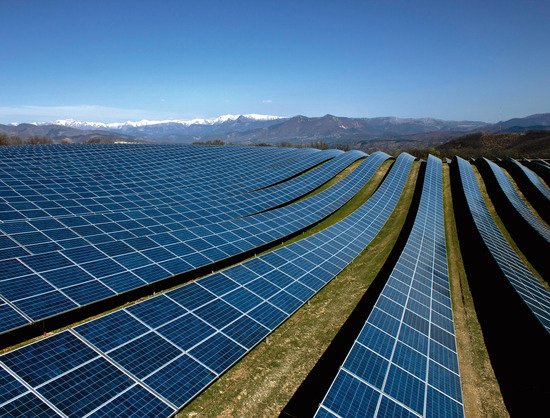
Qatar is accelerating utility-scale solar power development to diversify its electricity mix, reduce domestic natural gas consumption and lower emissions, while retaining gas-fired generation to ensure reliable power and water supplies, according to GlobalData.
GlobalData’s latest report, Qatar Power Market Trends and Analysis by Capacity, Generation, Transmission, Distribution, Regulations, Key Players and Forecast to 2035, projects that renewable energy’s share of Qatar’s total installed power capacity will rise from 12% in 2025 to 25.9% by 2035. Overall installed capacity is expected to grow at a compound annual growth rate (CAGR) of 4.2% over the decade, while solar photovoltaic capacity will expand at 12.4%.
Attaurrahman Ojindaram Saibasan, Power Analyst at GlobalData, said Qatar was transitioning towards a hybrid power system combining natural gas and renewable energy. Major solar projects, including Al Kharsaah and recently commissioned facilities at Ras Laffan and Mesaieed, alongside the large-scale Dukhan development, are supporting the country’s clean energy ambitions.
Despite rapid solar expansion, natural gas will remain central to Qatar’s electricity generation and seawater desalination. Gas-fired combined-cycle and cogeneration plants provide dependable power during peak summer demand and the thermal energy required for water production. Gas is projected to account for approximately 74% of total installed power capacity in 2035.
Qatar aims to achieve 4 GW of renewable energy capacity by 2030. Meeting this target will require greater flexibility in gas-fired generation, improved grid management and reliable integration of solar power, while maintaining uninterrupted electricity and desalinated water supplies.
The country’s energy transition is guided by Qatar National Vision 2030, the Third National Development Strategy and the Qatar National Renewable Energy Strategy. Kahramaa’s net-billing regulations also support distributed renewable energy development. Under the country’s single-buyer electricity market model, Kahramaa purchases electricity and desalinated water through long-term agreements.
GlobalData said Qatar’s abundant solar resources and financial capacity could enable it to reduce domestic gas consumption and free up additional natural gas for liquefied natural gas (LNG) exports. However, sustaining the transition will require balancing renewable energy expansion with growing industrial demand, existing power and water supply commitments, and transmission network reliability.