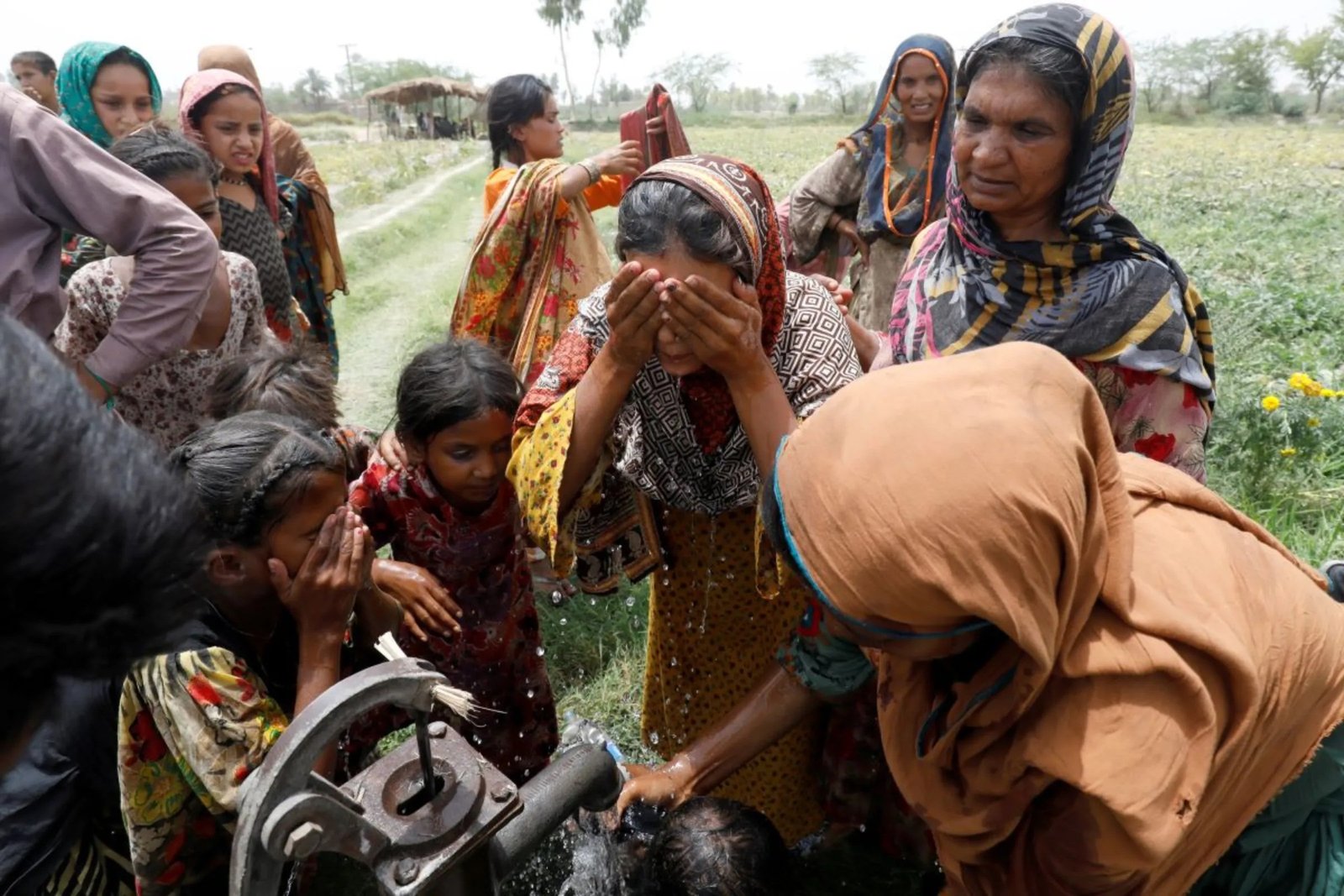
Chicago, July 27, 2026: Climate change is projected to widen global inequality by driving greater air-conditioning (AC) adoption in wealthy countries while causing sharply higher heat-related deaths in poorer nations that lack access to affordable electricity, according to a new report by the Climate Impact Lab.
The report warns that rising temperatures could contribute to an additional 430,000 heat-related deaths every year by 2050, with low- and lower-middle-income countries accounting for nearly 10 times more deaths than wealthier nations.
Researchers say access to reliable and affordable electricity for cooling will determine how effectively countries can adapt to worsening heat. However, many of the regions expected to experience the most extreme temperatures are also those least able to expand electricity access.
“Air conditioning saves lives, but many of the world’s poorest countries will not be able to adopt cooling technologies at the pace needed to protect their populations,” said Michael Greenstone, co-founder of the Climate Impact Lab and Professor of Economics at the University of Chicago. He warned that countries contributing the least to global greenhouse gas emissions are likely to suffer the greatest human losses from climate change.
The study projects that climate change will drive electricity consumption for cooling seven times faster in middle-income countries than in low-income countries. In contrast, the expected increase in electricity use in low-income nations would be so limited that it would only generate enough power per person to run a single LED light bulb for about four months.
The report identifies 18 countries, home to approximately 676 million people, where extreme heat is expected to combine with inadequate access to cooling, creating what researchers describe as a “heat trap.” These countries are projected to experience around 377,000 additional heat-related deaths annually by 2050.
Most of the affected population lives in northern sub-Saharan Africa, including Niger, Mali, Burkina Faso and Chad, while others are in South Asia, including Bangladesh, Pakistan, Nepal and Myanmar.
The report highlights the sharp contrast between these countries and wealthier nations in the Gulf region. Although countries such as Saudi Arabia, Kuwait and Bahrain face similarly high temperatures, their greater access to electricity and widespread use of air conditioning are expected to significantly reduce heat-related mortality.
For example, per capita electricity consumption for cooling in Niger is projected to increase by only one-ninth of that in Saudi Arabia. As a result, Niger is expected to experience 27,000 more climate-related heat deaths annually by 2050 than Saudi Arabia despite facing similar climatic conditions.
Ashwin Rode, Director of Scientific Research at the University of Chicago’s Energy Policy Institute (EPIC) and a fellow at the Climate Impact Lab, said the findings identify the communities most vulnerable to extreme heat and least equipped to protect themselves.
He called for urgent investments in reliable electricity access, heat early-warning systems, healthcare services, climate-resilient infrastructure and targeted social protection programmes to reduce heat-related deaths. He also noted that many adaptation strategies remain insufficiently tested and require further research and implementation.
The report is the second publication in the Climate Impact Lab’s Adaptation Roadmap series, which argues that climate adaptation must become a central pillar of global climate policy alongside efforts to reduce greenhouse gas emissions. The Lab is also developing a global adaptation playbook to help governments, development agencies and communities identify evidence-based strategies for responding to growing climate risks.