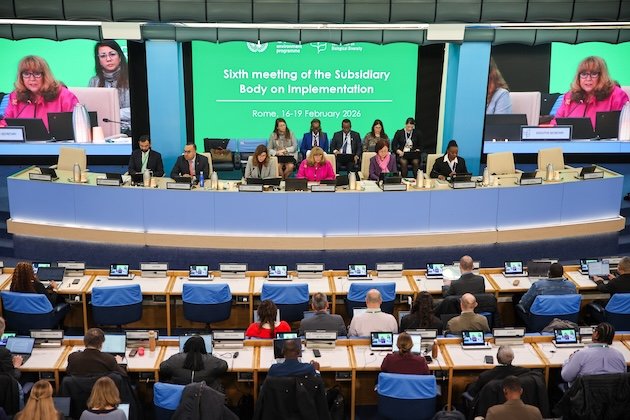
Nairobi, July 27, 2026: Countries that are party to the Convention on Biological Diversity (CBD) began two weeks of negotiations in Nairobi on Monday to review the first global assessment of progress toward the 23 targets of the Kunming-Montreal Global Biodiversity Framework (KMGBF) and chart a course for stronger action ahead of the UN Biodiversity Conference (COP17) in October.
The Nairobi meetings mark the halfway point in implementing the landmark biodiversity framework, adopted in 2022 with the goal of halting and reversing biodiversity loss by 2030. Delegates are reviewing a draft global progress report, titled State of Biodiversity Action, which will form the evidence base for the first Global Review at COP17 in Yerevan, Armenia.
According to the draft assessment, the KMGBF has succeeded in mobilising unprecedented global engagement for biodiversity conservation. However, the report concludes that current implementation efforts remain insufficient to achieve the framework’s ambitious 2030 targets, highlighting the need for faster and more coordinated action.
The negotiations are taking place under the Convention’s two subsidiary bodies—the Subsidiary Body on Scientific, Technical and Technological Advice (SBSTTA-28) and the Subsidiary Body on Implementation (SBI-7). Together, they will prepare scientific recommendations and policy proposals that will guide negotiations and decisions at COP17.
SBSTTA-28 will review the scientific evidence underpinning biodiversity policy and develop recommendations on key issues, including marine and coastal biodiversity, protected and conserved areas, sustainable wildlife management, synthetic biology and the integration of scientific knowledge into biodiversity decision-making.
Meanwhile, SBI-7 will focus on practical measures to accelerate implementation of the global biodiversity framework. Discussions will cover biodiversity finance, resource mobilisation, digital sequence information (DSI) on genetic resources, capacity-building, biodiversity mainstreaming across sectors and implementation of the Cartagena and Nagoya Protocols.
CBD Executive Secretary Astrid Schomaker said the first global progress report provides a shared evidence base on how countries are implementing the framework, stressing that the Nairobi negotiations offer a critical opportunity to translate scientific findings into stronger political commitments and more ambitious action at COP17.
SBSTTA Chair Jean Bruno Mikissa of Gabon emphasised the importance of ensuring that recommendations presented to governments are scientifically sound, technically robust and responsive to the needs of Parties as they prepare for the biodiversity summit.
SBI Chair Clarissa Souza Della Nina of Brazil described the Nairobi meeting as a crucial milestone on the road to COP17, saying delegates would address issues ranging from financing gaps and harmful incentives to biodiversity education, capacity-building and mainstreaming biodiversity into economic sectors. She said the outcomes of SBI-7 would play a key role in determining the level of ambition and collective global action for biodiversity through 2030 and beyond.
The final version of the State of Biodiversity Action report will be released after the Nairobi meetings and submitted for consideration during the UN Biodiversity Conference (COP17), scheduled to take place in Yerevan, Armenia, in October 2026.