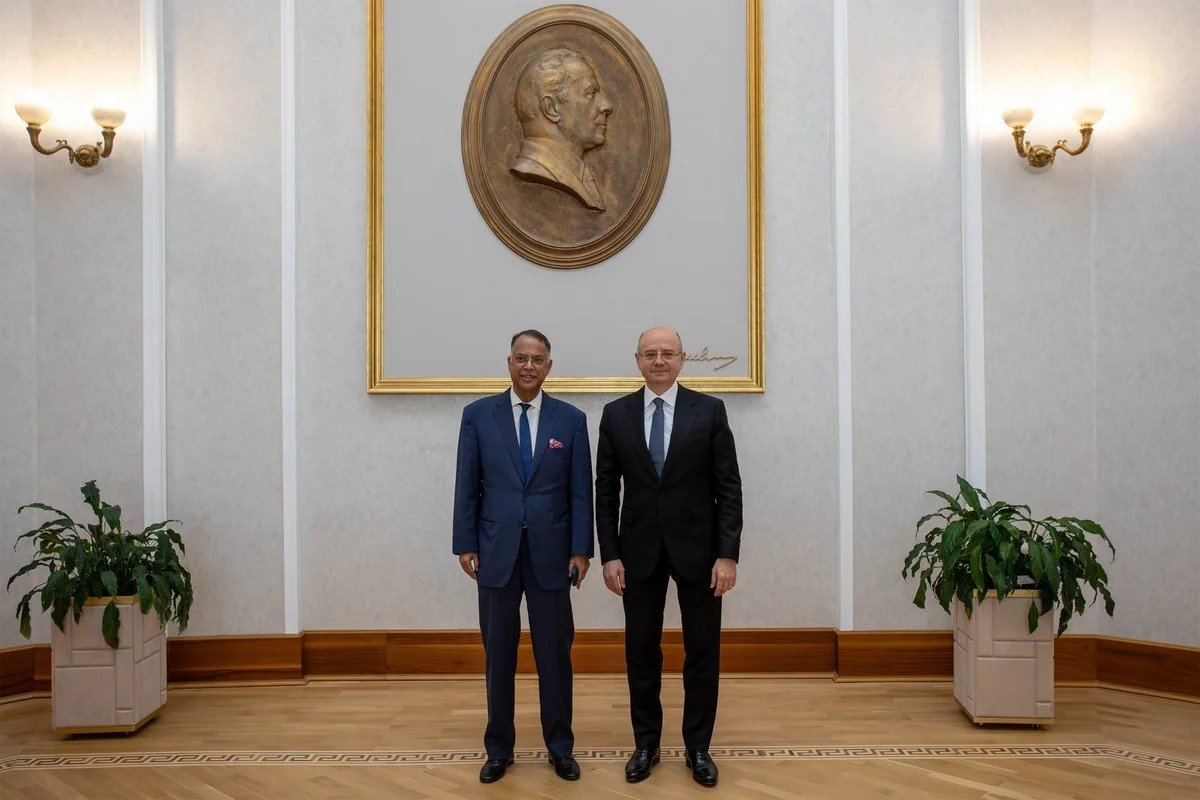
Bangladesh is exploring a broader energy partnership with Azerbaijan, focusing on liquefied natural gas (LNG) imports, petroleum product supplies, and long-term cooperation to strengthen the country’s energy security and diversify its supply sources.
During the 31st Baku Energy Forum, Bangladesh’s Minister for Power, Energy and Mineral Resources, Iqbal Hassan Mahmood, said the country is in discussions with Azerbaijan’s State Oil Company (SOCAR) regarding LNG supplies to meet Bangladesh’s growing energy demand. Report Azerbaijan media.
“We have signed an agreement with SOCAR for the purchase of petroleum products and are also negotiating LNG supplies,” Mahmood said, noting that Bangladesh is seeking stable and reliable energy sources amid volatile global fuel markets.
Bangladesh currently relies on imported LNG to supplement domestic gas production, which is insufficient to meet rising demand from industries, households, and power generation. According to the Minister, high LNG prices in the spot market have placed significant pressure on the country’s foreign exchange reserves and energy budget.
On the sidelines of the forum, Mahmood held talks with Azerbaijan’s Energy Minister, Parviz Shahbazov, on expanding bilateral energy cooperation. The two sides discussed LNG and petroleum supplies, opportunities for SOCAR’s presence in the Bangladeshi market, long-term strategic partnership, and the importance of supply diversification in ensuring energy security.
The discussions come as Bangladesh seeks to reduce its dependence on costly spot-market fuel purchases and secure more predictable long-term energy arrangements.
Mahmood also highlighted Bangladesh’s broader energy transition strategy, which includes accelerating renewable energy development alongside increased exploration of domestic gas resources. The government has announced tenders for both offshore and onshore hydrocarbon exploration blocks to attract international investment and boost domestic production.
At the same time, Bangladesh aims to develop 10,000MW of solar power capacity by 2030 to reduce dependence on imported fuels, lower subsidy burdens, and support the country’s clean energy transition.
The growing engagement between Bangladesh and Azerbaijan signals the emergence of a new energy partnership that could help Bangladesh diversify its fuel supply sources while creating opportunities for deeper cooperation in the oil, gas, and renewable energy sectors.