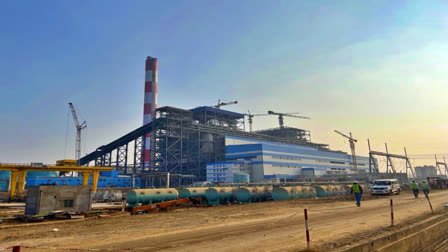
Bangladesh is facing increased load-shedding as a unit of an Adani power plant has gone offline, adding pressure to an already strained electricity supply system amid rising temperatures and demand.
According to officials from the Bangladesh Power Development Board (BPDB) and Adani Power, one unit of the plant in Jharkhand, India, was shut down shortly after midnight on Tuesday following a warning signal from a bearing. Engineers detected unusual sounds and halted operations immediately to avoid a major accident.
Sources said it may take four to five days for the unit to resume generation.
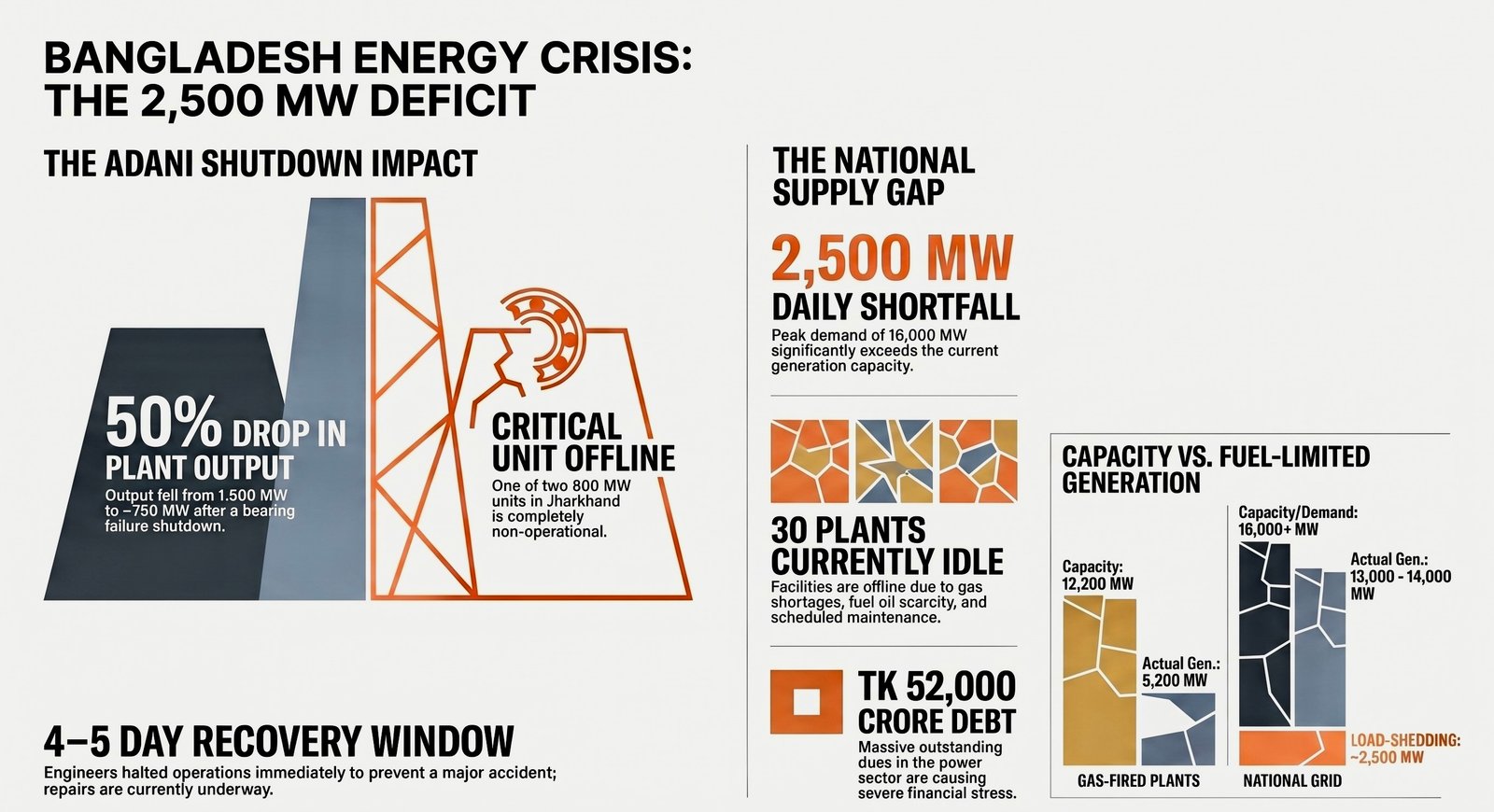
The coal-based plant, with a total capacity of 1,600 MW, consists of two 800 MW units. In recent weeks, it had been supplying around 1,500 MW to Bangladesh. Following the shutdown of one unit, output has dropped to approximately 750–770 MW, intensifying the supply shortfall.
Amid the ongoing heatwave, electricity demand has surged. On Wednesday, peak demand reached around 15,690 MW, while supply shortages forced load-shedding of nearly 2,500 MW at certain hours. Outages have been increasing throughout the day, particularly in the afternoon and evening.
The situation has been further exacerbated by a global energy crunch following tensions in the Middle East, which has disrupted fuel supply chains. Constraints in coal imports, a drop in gas supply to around 935 MMCFD, and unpaid dues to furnace oil-based power plants have limited overall generation capacity.
In Parliament, Power, Energy and Mineral Resources Minister Iqbal Hassan Mahmood recently stated that outstanding dues in the power sector have reached Tk 52,000 crore, highlighting ongoing financial stress.
According to Power Grid Company of Bangladesh (PGCB), the country has 136 power plants. However, 13 are idle due to gas shortages, nine due to lack of fuel oil, and eight for maintenance. Additionally, 17 solar plants do not generate power at night, while several diesel-based plants remain shut due to high operating costs.
Although gas-fired plants have a capacity of 12,200 MW, actual generation has been limited to around 5,200 MW due to fuel shortages.
With total generation hovering between 13,000 and 14,000 MW against demand exceeding 16,000 MW, regular load-shedding has become unavoidable. While urban areas are experiencing relatively moderate disruptions, rural regions are facing more severe and prolonged outages.
Authorities are now considering increasing output from furnace oil-based plants and potentially restarting diesel-fired units to manage the growing electricity deficit.