Dhaka — Limited fuel storage capacity and disruptions to international shipping schedules linked to geopolitical tensions, including the conflict involving Iran, have been identified as the main reasons behind the recent fuel supply pressures in Bangladesh.
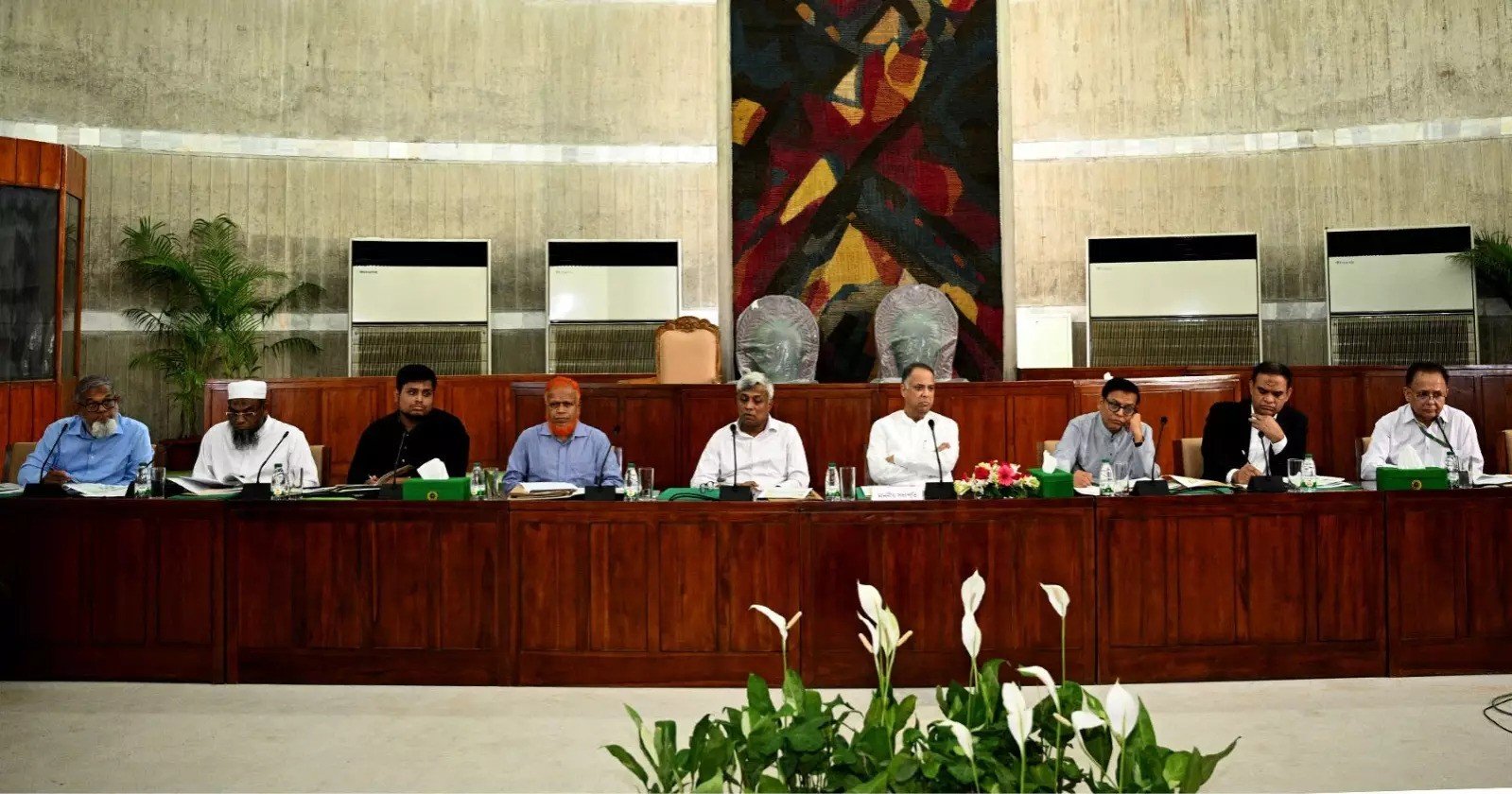
The assessment was presented on Sunday by the Ministry of Power, Energy and Mineral Resources during a meeting with a special parliamentary committee formed to review the country’s current energy situation.
The meeting was held at the Parliament building and chaired by Iqbal Hasan Mahmud, Adviser to the Ministry of Power, Energy and Mineral Resources.
According to sources familiar with the discussion, the ministry submitted a detailed report on the present condition of the fuel sector. The report acknowledged that Bangladesh does not yet have sufficient storage infrastructure to maintain a strategic reserve capable of withstanding prolonged disruptions in fuel imports.
Officials explained that while fuel imports are normally planned to ensure uninterrupted supply, recent geopolitical instability has disrupted global shipping routes and vessel schedules. As a result, fuel-carrying ships have not been arriving on a regular timetable, creating pressure on existing reserves.
The ministry further noted that the irregular arrival of shipments contributed to a drawdown of available stocks, which in turn triggered public concern. Once panic buying began, demand rose sharply, making it increasingly difficult to maintain stable distribution through the current logistics system.
Despite these challenges, members of the parliamentary committee expressed satisfaction with the ministry’s immediate response to stabilize the situation.
The committee recommended that the ministry take urgent steps to ensure an uninterrupted import chain in the coming months. Members also sought clarification on long-term plans to expand national fuel storage capacity so that future supply disruptions do not trigger similar panic-driven demand.
Speaking to reporters after the meeting, committee member Md. Abdul Baten said the initial discussions had been constructive, but lawmakers had requested a more detailed follow-up report addressing several questions raised during the session.
“We have provided several suggestions and asked important questions. The ministry is expected to submit a more comprehensive report at the next meeting,” he said.
He added that the committee was encouraged by the ministry’s short-term measures.
“We have been assured that there is no immediate risk of a fuel shortage, and precautionary arrangements are being taken for the months ahead.”
The special parliamentary committee also includes Anindya Islam Amit, A.B.M. Ashraf Uddin, Miah Nuruddin Ahammed, Moinul Islam Khan, Md. Nurul Islam, Md. Abul Hasnat, and Mohammed Abul Hasan.
A statement from the Parliament Secretariat said the committee will hold further meetings before finalizing its recommendations and submitting a formal report to the House.