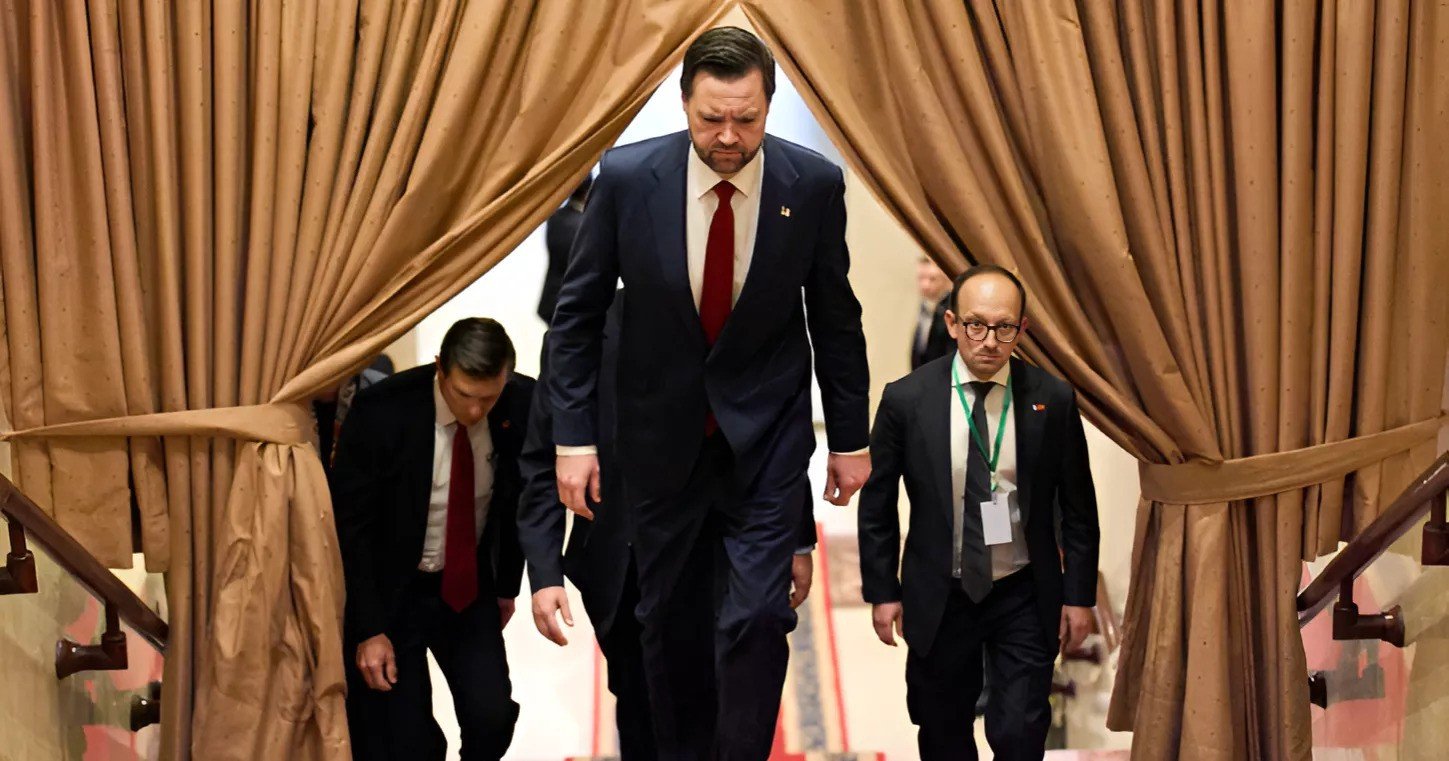
Negotiations between the United States and Iran ended early Sunday without any agreement after Tehran declined to accept Washington’s conditions aimed at preventing it from developing nuclear weapons, U.S. Vice President J.D. Vance said. Report UNB
The third round of direct, face-to-face discussions concluded after 21 hours of intense bargaining, just days after a fragile two-week ceasefire was announced in the ongoing conflict that has entered its seventh week, claiming thousands of lives and disrupting global markets.
Vance said he remained in constant contact with U.S. President Donald Trump and other top officials throughout the negotiations. He stressed that Washington’s primary demand is a clear commitment from Iran not to pursue nuclear weapons or the capability to rapidly develop them.
Despite what he described as good-faith efforts, Vance said the US presented its “final and best offer” and is now waiting to see whether Tehran will accept it.
While Trump had earlier indicated a pause in military action for two weeks, it remains unclear what will happen after that period or whether the ceasefire will hold.
Following the talks, Vance departed Pakistan, although officials said discussions may resume after a break, with technical teams from both sides continuing their engagement.
In this handout photo released by the Pakistan Prime Minister’s Office, Iran’s Parliament Speaker Mohammad Bagher Ghalibaf (left) meets with Pakistan Prime Minister Shehbaz Sharif in Islamabad on Saturday, April 11, 2026. (Pakistan Prime Minister’s Office via AP)
Meanwhile, tensions remain high in the region. The U.S. military said two destroyers passed through the strategically vital Strait of Hormuz ahead of mine-clearing operations, though Iran denied the claim.
The US delegation, led by Vance, and the Iranian team headed by Parliament Speaker Mohammad Bagher Qalibaf also held discussions with Shehbaz Sharif on maintaining the fragile ceasefire, which remains under threat due to ongoing Israeli strikes against Hezbollah in Lebanon.
Iran, meanwhile, set several “red lines,” including demands for compensation over damages caused by US-Israeli attacks and the release of its frozen assets.
The war, which began on February 28, has so far killed thousands across Iran, Lebanon, Israel, and parts of the Gulf, while also severely disrupting energy exports through the Strait of Hormuz, pushing global prices higher.
Amid the high-stakes diplomacy, regional powers including China, Egypt, Saudi Arabia and Qatar were reported to be indirectly facilitating the talks.
Back in Tehran, many residents expressed a mix of skepticism and hope, as weeks of airstrikes have caused widespread destruction.
In a strong statement, Pope Leo XIV condemned the war, criticizing what he described as a dangerous “illusion of omnipotence” driving the conflict.