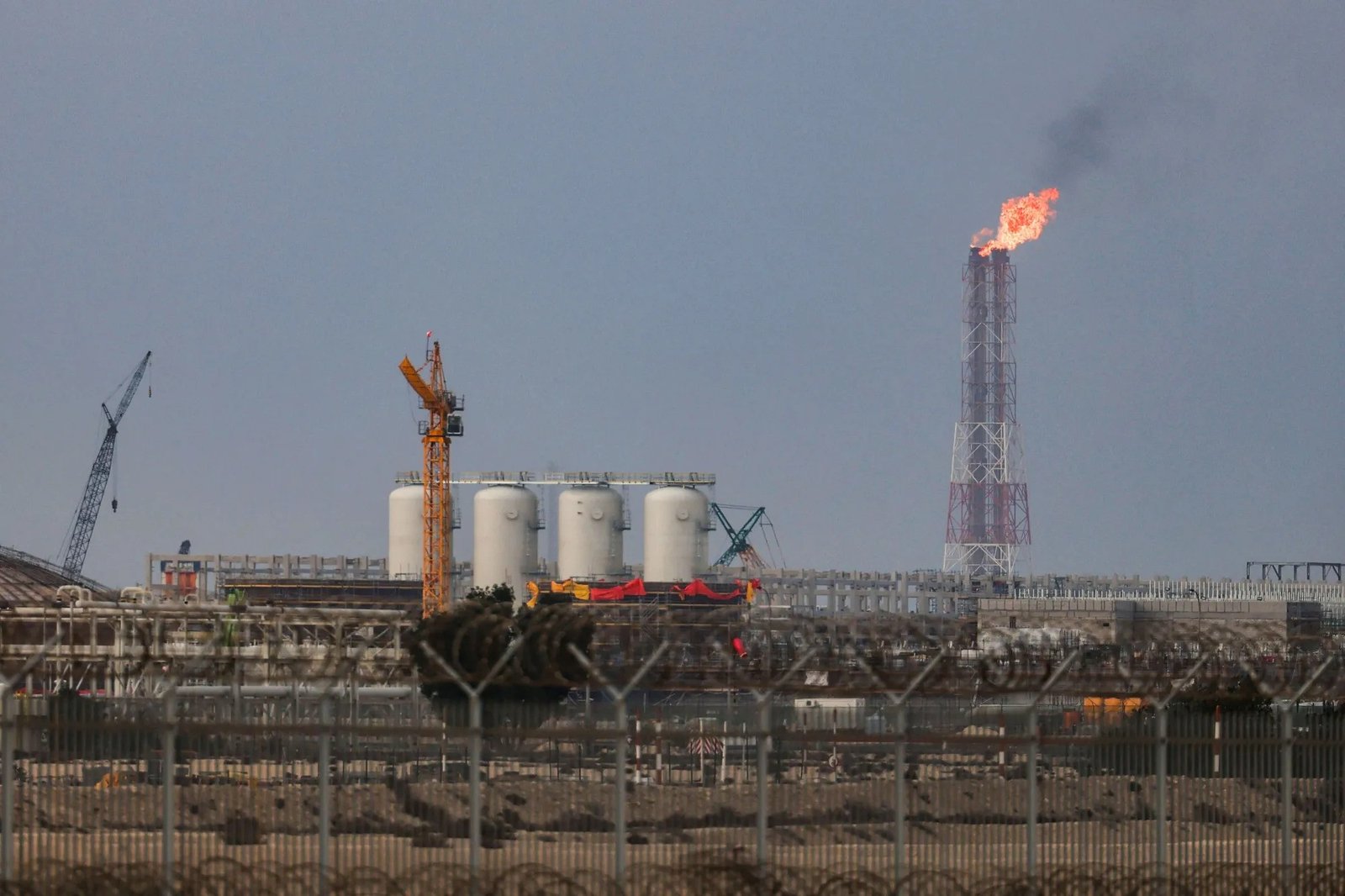
A potential gas crisis is looming in Bangladesh following damage to Qatar’s key LNG facilities, raising concerns over disruptions in imported liquefied natural gas (LNG) supplies.
The strikes on Ras Laffan Industrial City came amid escalating tensions in the Middle East after strikes on Iran’s South Pars Gas Field. The Ras Laffan complex is a critical hub for global LNG production and a major source of Bangladesh’s gas imports.
According to international media reports citing QatarEnergy CEO Saad Al-Kaabi, repairs to the damaged facilities could take three to five years, potentially halting around 12.8 million tonnes of LNG production annually. Qatar, which supplies about 19 percent of global LNG, may be forced to declare force majeure on some of its international contracts.
However, another report quoting an official from Shell suggested that it is too early to determine the full extent of the damage, and production could partially resume within months after proper assessment.
The situation has created major concern for Bangladesh, which heavily relies on Qatar for LNG imports. The country plans to import 115 LNG cargoes this year, of which around 96 cargoes are expected from Qatar. Bangladesh also has long-term agreements with Qatar, Oman, and US-based Excelerate Energy, but even supplies from Oman and other sources are partly linked to Qatari gas.
Petrobangla Chairman Md Erfanul Haque said most of Bangladesh’s long-term LNG imports originate from Qatar. Since the conflict escalated, supplies have been disrupted under force majeure clauses.
To manage the Crisis, Bangladesh has turned to the spot market, securing LNG supplies until April 23. However, the price has surged sharply—rising from around $10 per MMBtu under long-term contracts to about $25 in the spot market.
Global energy prices have also surged due to the conflict. Brent crude has climbed to around $115 per barrel, while gas prices in Europe have risen by about 30 percent. Increased shipping and insurance costs have added further pressure.
Officials warn that importing LNG at such high prices will be challenging, potentially leading to higher domestic energy prices or increased government subsidies.
The crisis has been worsened by disruptions in the Strait of Hormuz, through which about 20 percent of global oil and LNG supplies pass. Following the outbreak of conflict, shipping through the strait has dropped sharply.
Bangladesh’s domestic gas production has also been declining. While production once stood at around 2,800 million cubic feet per day, it has now fallen to about 1,700 million cubic feet, below projections. As a result, gas supply to power plants has already been reduced.
Experts note that the country’s growing reliance on imported LNG—rather than expanding domestic exploration—has increased vulnerability to global shocks. Bangladesh began LNG imports from Qatar in 2018 and later expanded imports from Oman and the spot market.
With global supply uncertainties rising, Bangladesh now faces a big challenge in securing affordable and stable energy supplies in the months ahead.