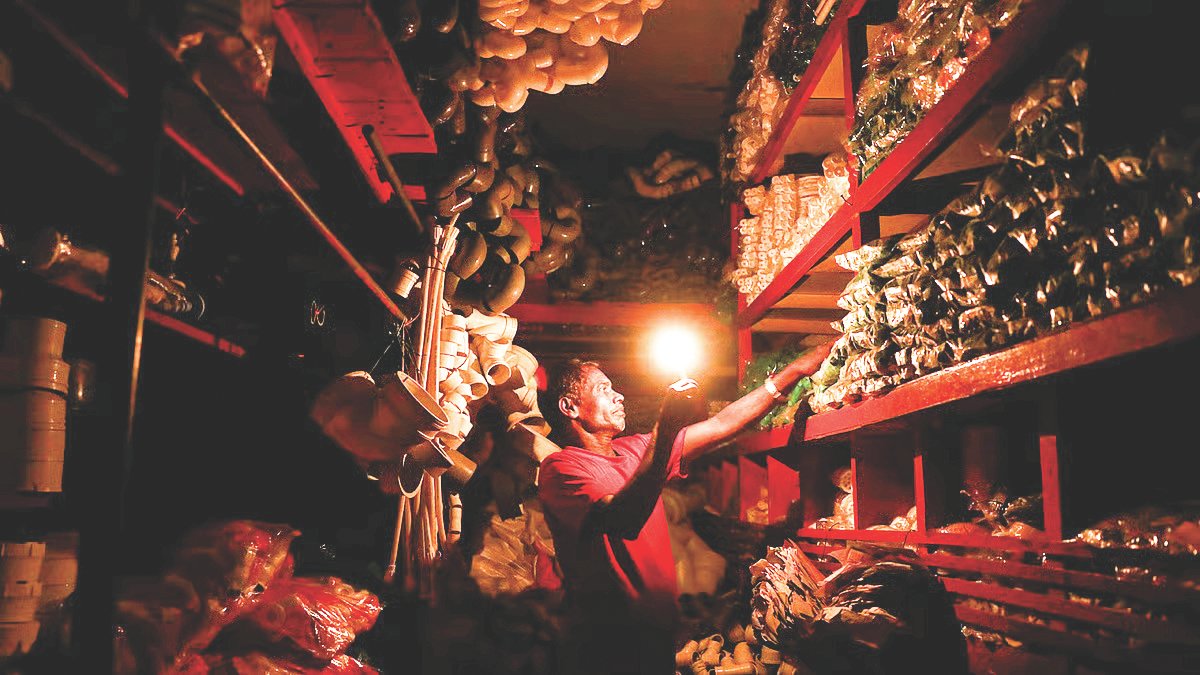
In my last column in this magazine I highlighted how the economy had been hit by energy crises. In two weeks since then there been no improvement in the situation. It has rather worsened. Policy makers and experts don’t see a quick-fire solution to the problem. Long hours of load-shedding have hit the factories hard. Many industries have been forced to shut down for shortage of electricity, while many others are running at low capacity. Among the affected are those producing daily essentials leading to price hikes of the commodities. Small scale industries have long borne the brunt of the shortages of electricity and gas. Now concern is growing for the bigger factories which are running out of diesel and assured supply of gas. The supply of gas for household cooking is going down and down, while load-shedding has started tormenting even the dwellers in the capital city despite government’s efforts to spare them from the disruptions. The rural areas have been suffering from frequent power outages for several months with the authorities trying to hide the facts from the privileged townspeople. CNG-run three-wheelers are spending precious income hours in long queues before gas filling stations in Dhaka and elsewhere in the country. The long wait gets longer. What they get is too little to their requirement. Stories about such sufferings are plenty on newspapers. TV stations are covering the hardships with caution, while social media are going viral with tales of the torment. Memes are erupting embarrassing the government.
Bangladesh has the installed capacity to produce up to 28,000MW of electricity. Given the peak hour demand reaching up to 16,000MW we should not have any problem at all. This does not tell all sides of the story. We are unable to make an optimum use of our capacity for shortage of gas which is the most essential raw material for generation of electricity. With Ashar-Srabon heat and humidity intensifying the need for electricity has increased so the well-to-do city dwellers can get comfort with the use of air-conditioners. During this time of the people the country usually witnesses a gap of 800 to 1,000MW of electricity between demand and supply. The gap increased to more than 3,000MW some days this past week.
The immediate cause had been the mechanical faults and weather-related disruptions in the two gas storage and regasification terminals off Maheskhali coast in the Bay of Bengal. The platforms are known as FSRU, the short form of Floating Storage and Regasification Unit. FSRU is an offshore structure that is used to store liquefied natural gas (LNG) at certain temperatures and convert it back gaseous state so it can be pumped into onshore pipelines. In spite of the price volatility arising from on-going US-Israel-Iran conflicts and the war in Ukraine Bangladesh can afford to import LNG, but the cargoes can’t be offloaded when the FSRUs shut down. The country has two FSRUs –one operated by Summit Power Limited and the other by Excelerate Energy, a US company. Both suffered shutdowns – one for technical faults and another for rough weather – compounding the energy crises. The impact of the disruptions has been huge and widespread. The lesson: the import of LNG is not enough unless there is FSRUs to process the cargoes. This led Power and Energy Minister Iqbal Hasan Mahmud to talk about a government plan to install three more FSRUs in the Bay so there is no shortage of storage and regasification facilities for imported LNG. That’s the plan that can’t be executed overnight or even in a year. The minister has mentioned 2029 as the timeframe. So until then what has to be done?
Let’s put all sensible heads together to find a solution. A delay may turn deadly.
Download Column As PDF/userfiles/EP_24_05_Column.pdf