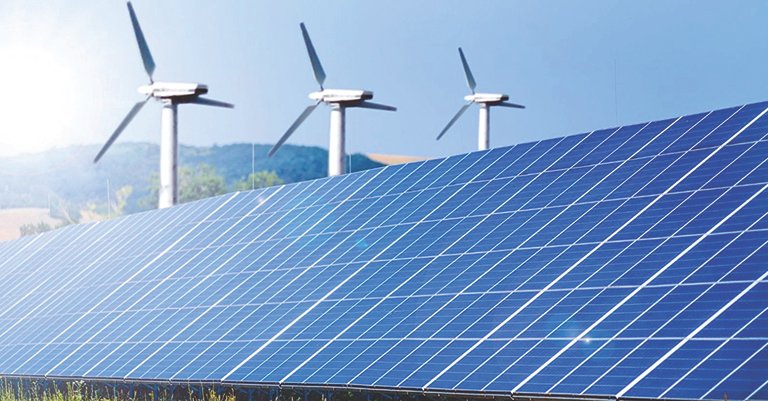
Renewable energy now accounts for more than 30% of global electricity generation, but progress toward achieving universal access to affordable, reliable and clean energy by 2030 remains too slow, according to the 2026 Energy Progress Report.
The report, jointly prepared by the International Energy Agency (IEA), International Renewable Energy Agency (IRENA), UN DESA, the World Bank, and the World Health Organization (WHO), highlights significant advances in renewable power while warning of persistent regional disparities and slowing improvements in energy efficiency.
Sub-Saharan Africa remains the biggest challenge, with more than 560 million people still lacking electricity and 970 million without access to clean cooking. The report estimates that the region’s electrification rate must triple to achieve universal energy access by 2030.
Although renewable electricity continues to expand rapidly, the report notes that the use of renewables in the heating and transport sectors remains limited. It also finds that global energy efficiency improvements slowed to 1.5% in 2023, down from 2.4% in 2022, raising concerns about meeting climate and energy targets.
International public financial support for clean energy in developing countries increased only marginally, rising from USD 24.4 billion in 2023 to USD 24.6 billion in 2024.
The report concludes that while progress on Sustainable Development Goal 7 (Affordable and Clean Energy) is encouraging, much faster investment, stronger policy action and expanded international cooperation will be required to achieve the 2030 targets.