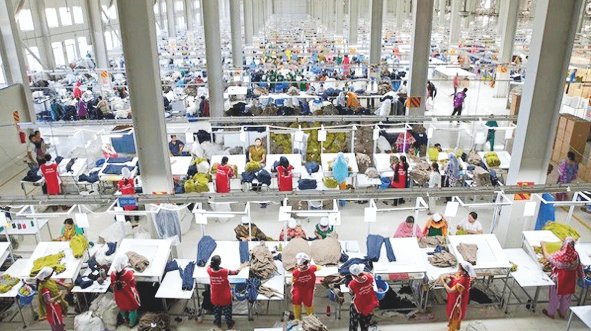
While the global fashion demands sustainability, the embassy of Sweden has launched “InSPIRE” - a green transition initiative, to support Bangladesh’s RMG sector pivot to clean energy—turning climate challenges into competitive advantage.
Bangladesh’s ready-made garment (RMG) sector—the lifeblood of its economy—stands at a crossroads. As the country’s economic backbone, generating nearly 80%[1] of export earnings and employing millions, the RMG industry must rapidly transition to cleaner, more energy-efficient production to remain competitive amid tightening global sustainability requirements. The global brands of fast fashion are tightening sustainability standards while climate risks loom large; the industry faces a stark choice: adapt or fall out of the game. With 15.4%[2] of the country’s greenhouse gas emissions contributed by the RMG industry, the stakes could not be higher. Yet, amid this challenge, a bold initiative is rewriting the script for industrial energy transition.
InSPIRE—the Initiative to Stimulate Private Investment for Resource Efficiency— implemented by Swisscontact, has a transformative mission: accelerate the adoption of energy efficiency and renewable energy solutions in Bangladesh’s garment factories. By blending catalytic financing with technical assistance, InSPIRE is de-risking and incentivising small and medium-sized factories to adopt green technology, while enabling energy service companies (ESCOs) to scale innovative models.
InSPIRE mobilizes support in the form of a challenge fund modality, where a robust, transparent, and highly competitive selection process for ‘green projects’ is solicited. The response from industry has been nothing short of remarkable. When InSPIRE opened its first call for proposals in 2025, the program drew 94 applications, signalling a surge of interest in sustainable solutions. From this wave of ideas, the first cohort of nine projects have been marking the kick-start of many more collaborations.
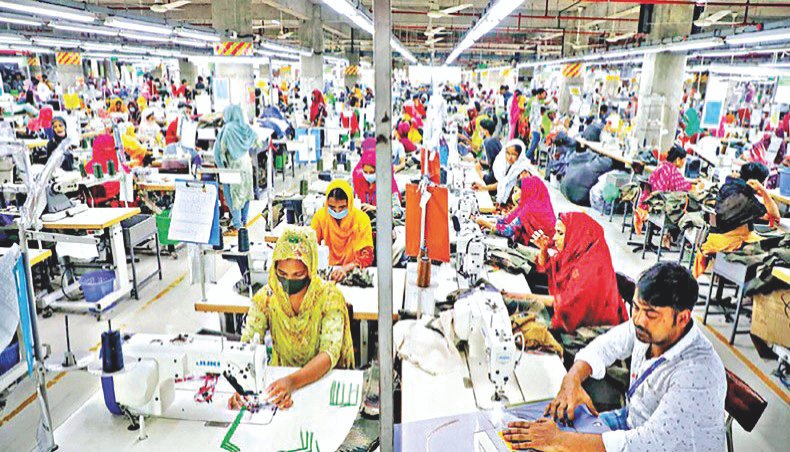
On the energy efficiency front, factories are retrofitting servo motors, high-efficiency boilers, LED lighting, BLDC fans, advanced HVAC systems, and thermal energy recovery solutions like condensate recovery and G-traps.
Renewable energy proposals include large-scale solar PV installations, hybrid systems combining battery storage, and biomass briquette setups—some even introducing pay-as-you-go solar models that could democratize clean energy access.
Meanwhile, resource efficiency ideas such as low-liquor ratio dyeing machines, zero-liquid discharge effluent treatment plants (ZLD-ETP), and rainwater harvesting systems are designed to cut energy use by resource efficiency. Together, these projects signal a shift from incremental upgrades to transformative, scalable solutions that can redefine sustainability in the RMG sector.
What makes this movement compelling is its projected impact. The first cohort of green projects alone is expected to deliver 14,269 MWh of annual energy savings and renewable generation—enough to power thousands of homes. Of this, 10,208 MWh will come from renewable sources, while 4,061 MWh will be saved through efficiency upgrades.
The climate dividend? A reduction of 11,883 metric tons of CO₂ equivalent every year, comparable to taking 2,500 cars off the road. These numbers tell a powerful story: sustainability is no longer a cost centre; it’s a competitive advantage.
The sectoral footprint of these projects is just as revealing. They cut across the very fabric of Bangladesh’s garment ecosystem, with the lion’s share anchored in woven and textile units—responsible for an impressive 10,928 metric tons of CO₂e reductions annually. This is followed by washing facilities at 613 metric tons, sweater factories at 183, and accessory units at 159 metric tons of annual CO₂e reductions. It’s clear: sustainability is touching every corner of the garment industry.
Behind the scenes, InSPIRE is doing more than funding projects. Through industry engagement events, the initiative is building bridges between garment factories, energy service providers, financial institutions, and energy thought leaders-connections that make technology adoption easier and financing more accessible. This convening role is critical, especially for smaller factories that often struggle to navigate the complex terrain of green investment. By fostering these linkages, InSPIRE is laying the groundwork for systemic change.
While blended finance is not a new concept in green transition in Bangladesh, what truly sets InSPIRE apart is the scale of private sector commitment—RMG factories are driving the transition, contributing most of the project investment. In its first cohort, InSPIRE mobilized 74% of investment from the private sector RMG factories, with the remaining 26% contributing from its challenge fund. This blended approach not only reduces risk but also signals confidence in the commercial viability of sustainable solutions. It’s a template that could be replicated across other sectors, amplifying the impact of climate finance.

Looking ahead, the vision is ambitious, yet achievable. InSPIRE aims to scale its pipeline, targeting medium and small factories that have historically been left behind in the green transition. By experimenting with consortium-based models—bringing together brands, financiers, and technology providers—the initiative hopes to unlock even greater impact. The message is clear: sustainability is not a niche; it’s the future of industrial competitiveness.
This transformation is unfolding against the backdrop of a broader partnership between Sweden and Bangladesh, rooted in shared commitments to climate action and sustainable growth. Sweden has long championed renewable energy and resource efficiency, and through initiatives like InSPIRE, it is helping Bangladesh’s RMG sector align with global net-zero goals. The Embassy of Sweden also partners with Swisscontact on PROGRESS—a project that helps garment factories set sustainability goals, craft climate action roadmaps, and build green skills for the future. The collaboration underscores a powerful truth: climate action and industrial growth are not mutually exclusive—they can, and must, go hand in hand.
As Bangladesh positions itself in the global green economy, the garment industry’s pivot to clean energy is more than an environmental imperative; it’s a strategic move to safeguard jobs, exports, and reputation. InSPIRE is proving that with the right mix of innovation, alternative finance, and collaboration, the sector can turn climate challenges into opportunities. The race toward sustainability has begun—and Bangladesh’s apparel industry is determined to lead.
|
|
|
|
Current state: Condensate used in the dryer and ironing stations is being released into the air in a washing and printing factory.
Intervention: The factory has been retrofitting condensate and flash-steam recovery systems along with traps in the iron station, enabling the reuse of condensate, reducing energy consumption, and minimizing environmental heat emissions. |
Existing biomass boiler fuelled by Jhut (waste fabric), which is neither environmentally friendly nor aligned with circular economy principles.
Through InSPIRE support, the RMG factory is transitioning to biomass briquettes made from rice husk—a carbon-neutral solution that reduces waste and promotes sustainable energy use. |
|
|
|
|
The existing ETP in a sweater factory discharges treated water into the environment. With InSPIRE’s support, the factory is installing a zero liquid discharge system to recycle and reuse water—cutting groundwater extraction by up to 85% and helping Bangladesh combat falling water tables and salinity intrusion. |
|


Download Special Article As PDF/userfiles/EP_23_15_SA_Azmul.pdf
Azmul Huda, Manager – Monitoring and Results Measurement and KEL, Initiative to Stimulate Private Investment for Resource Efficiency. (InSPIRE), Swisscontact