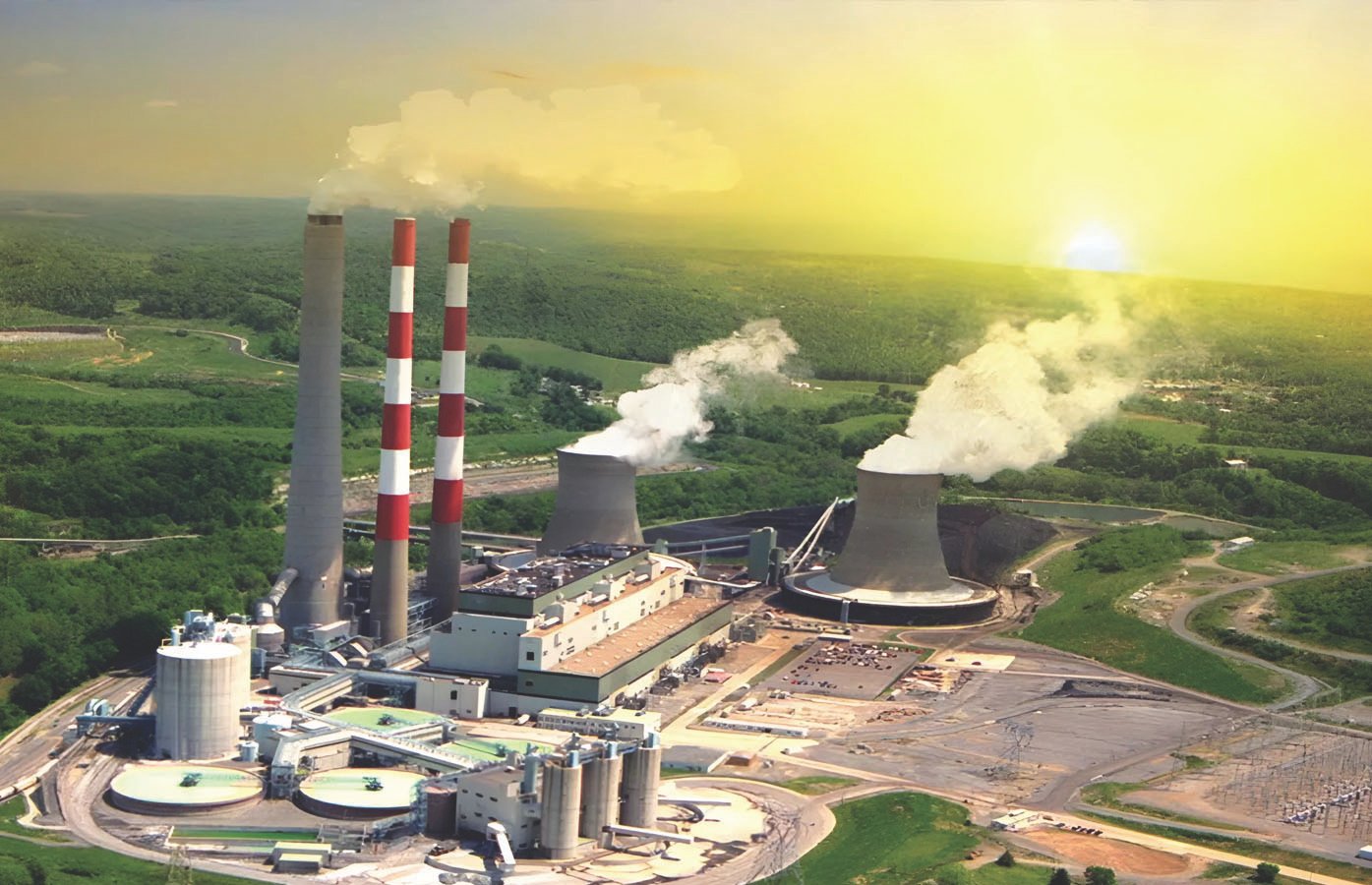
The interim government has inherited a crisis-prone power and energy sector burdened with huge debt liabilities and chronic power and gas shortages in the supply chain. It needs to take some contingency actions and austerity measures. The situation is so critical that there is no quick fix. The industries are suffering, the economy is bleeding. State-owned enterprises (SOEs) suffer an outstanding debt burden of about US$ 5.0 billion. The BPDB has been unable to pay Petrobangla for the gas supplied, Independent Power Producers (IPPs) for the electricity provided, Indian exporters for power delivered, and BPC for liquid fuel supplied. Additionally, power companies owe significant payments to coal suppliers. Petrobangla, in turn, has been unable to pay International Oil Companies (IOCs) for gas supplied, LNG exporters for shipments received, and FSRU owners for regasified LNG. As a result, around 1,000 MMCFD gas supply deficit has left approximately 3,500 MW of gas-based power generation capacity idle. The full capacity of coal- and liquid-fuel-based power generation cannot be utilized. On the other hand, BPBD needed to account for huge capacity charges to IPPs and other generation companies, despite their capacities are not used. These are acting as a double-edged sword. The interim government has inherited a chaotic power and gas supply chain management situation. Nothing can be done overnight to turn the tide. Now austerity and efficiency at all segments of supply chain management are immediate contingency measures.
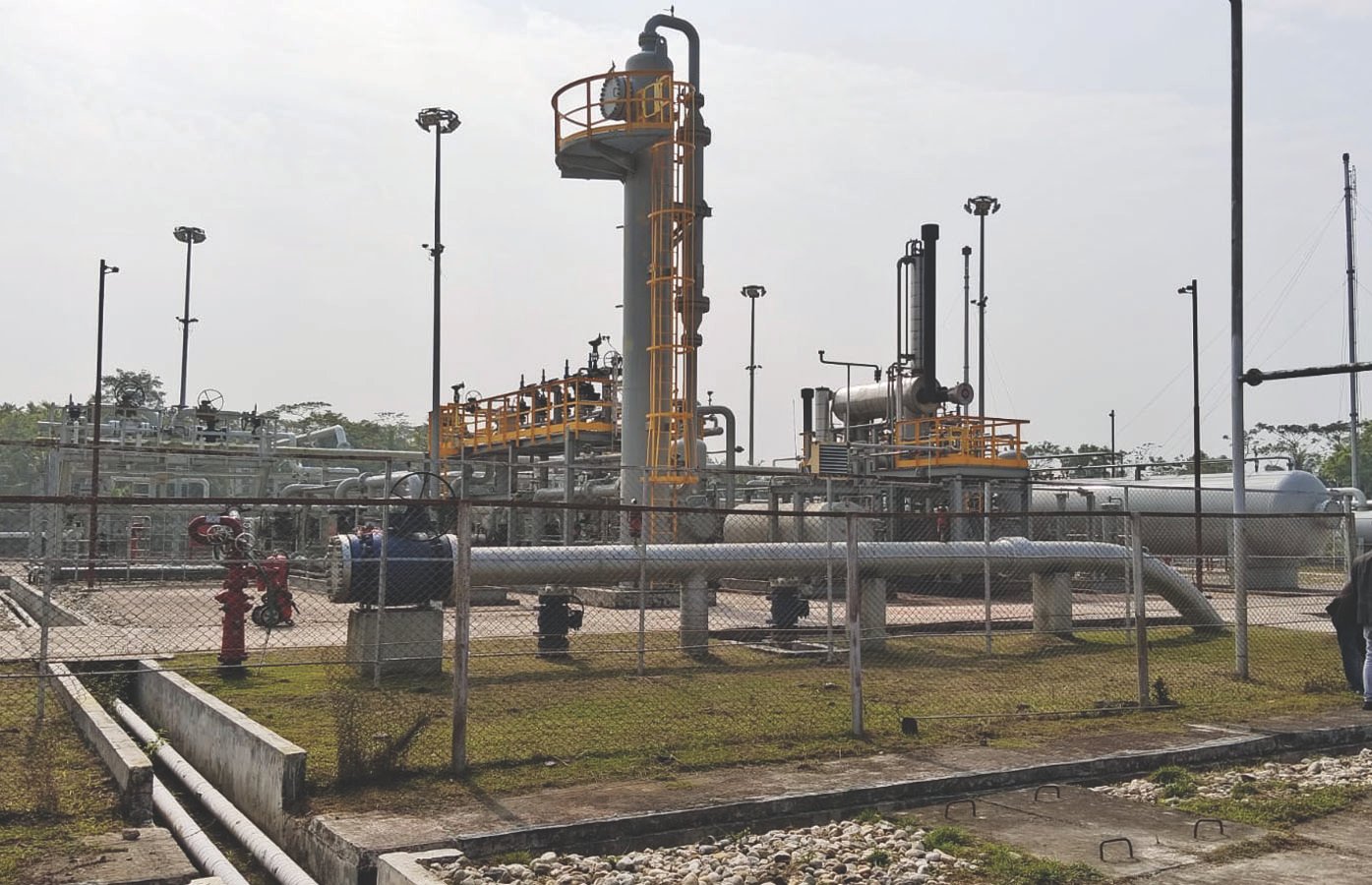
The government has already suspended the operation of “The Quick Enhancement of Electricity and Energy Supply (Special Provision) Act 2010". Projects at different stages of negotiation are not proceeding toward the finalization. No more projects will be dealt with based on unsolicited offers. All new projects, if any, will be processed transparently through fair competition per national procurement law. The government has also repealed the BERC ACT amendments, returning the exclusive authority of determining power tariffs and fuel pricing to the Bangladesh Energy Regulatory Commission (BERC). The government has to arrange funds in foreign and local currencies for BPDB, Petrobangla, and BPC to meet the payment obligations. Some critical projects under implementation must also proceed and some in the pipelines must be taken up. The power system now has 28,66MW grid-connected generation capacity. The highest generation was 16,770MW on 30 April 2024. Even on that day, there was a 1,000MW deficit. Chronic fuel supply shortage is the main reason for the deficit in supply. There are some issues in power transmission and distribution as well. Power distribution utilities cannot ensure power supply quality on an uninterruptible basis to industries. Many industries require using captive power generation. Industries suffer from gas supply shortages and power supply uncertainties. Fertilizer plants remain out of operation due to lack of gas supply.
Over the past 15 years, the government failed to ensure a sustainable fuel supply from domestic or external sources despite spending billions to develop facilities. Ignoring exploration and development of local fuel resources coal and gas government policy makers for ulterior motives of benefitting business syndicates went for imported fuel without properly assessing the risks and challenges. The government neither decided to exploit coal resources nor carried out the required exploration of petroleum onshore and offshore. Even it failed to develop the required fuel import infrastructure on time. Several initiatives have been taken to import LNG since 2010, ending in two FSRUs only. Many projects taken up for Floating- and Land-Based Terminals were abandoned after spending time, energy, and resources. The Land Based Terminal of RPGCL at Matarbari has been delayed for years. The fate of the planned Coal Transfer Terminal (CTT) at Maheshkhali has become uncertain as the government has withdrawn from the plan for several coal-based power plants at Maheshkhali and Matarbari. Even the proposed LPG terminal at Matarbari has become uncertain. The interim government needs to take some contingency plans for addressing fuel supply shortage, outstanding payments, and efficient use of electricity and gas. Some under-operation projects of power and energy need to be completed urgently. Some new projects essential for meeting demands need to be approved.
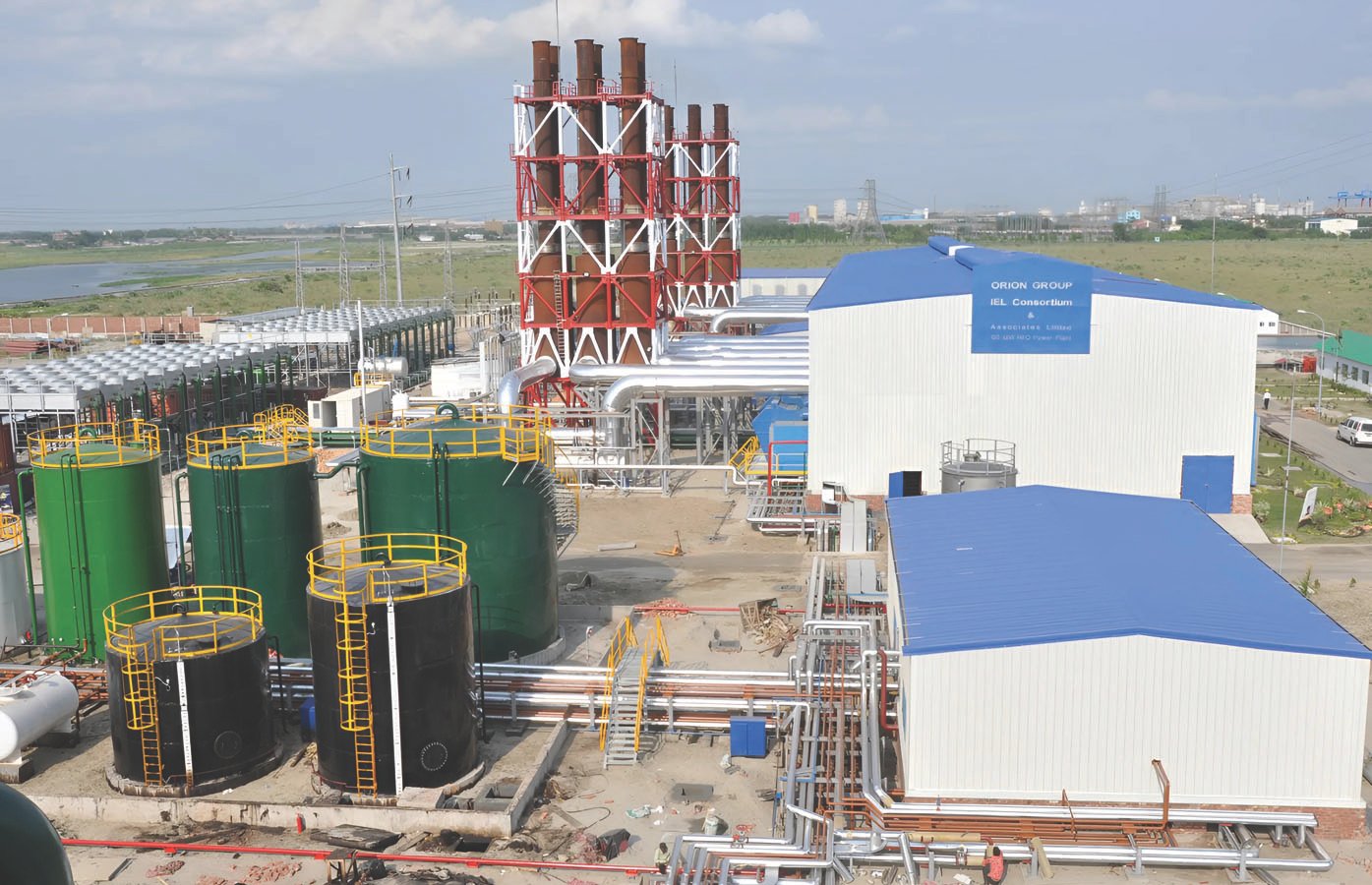
Projects of the Power Sector
The government has already scrapped many solar power projects awarded to party loyal during the last stage of the previous government. These were under the provision of “The Quick Enhancement of Electricity and Energy Supply (Special Provision) Act 2010". We are neither sure about the capabilities of the entrepreneurs, nor the feasibility of the projects. We hope all the projects taken up under the act will be reviewed. Another 1,320MW imported coal-fired power plant at Patuakhali will start operation by the end of 2024. We hope the existing 400 KV power transmission line has enough capacity to evacuate the power from all power plants in the Southern region of Bangladesh. The 2nd 400 MV power transmission line from Payera to Dhaka has become a priority. The other outstanding works of PGCB are the substation at Madunaghat and the remaining work of transmission lines for evacuating and harmonizing the nuclear power from the Rooppur power plant. The first is essential for evacuating the capacity generation from the 1,200MW Matarbari plant and 1,244MW Bashkhali power plant. The second project is critical for safely evacuating nuclear power by the end 2025. We have to be extremely careful about the safe and synchronized operation of the power grid before evacuating power from the nuclear power plant. The interim government needs to carefully review the system updating and modernization works of DPDC, DESCO, and PGCB. It is alleged that many projects were taken up at much higher cost in the interest of privileged persons. The automation of the system and smart grid remains a far cry. The BREB struggles to ensure a quality supply of power to PBSs. We do not think any new Power Generation project other than solar, and wind should be taken up till 2030. Rather almost all liquid fuel-based power plants must be phased out in a planned manner.
Renewable Energy
Over the short-term, rooftop solar, solar irrigation, floating solar, and solar hybrid can be the ideal solutions for generation, and addition of about 2,500-3,000MW power over the next two years. For these, required fiscal and financial incentives must be given to the entrepreneurs and all works must be awarded to genuine entrepreneurs based on competitive bidding. SREDA must be restructured and strengthened and be freed from bureaucratic control. A business model for Solar Irrigation must also be formulated and adopted. The prospect of floating solar should be explored in the southern region, especially in Barishal, Khulna, and greater Faridpur.
Decision on Coal Mining
Whether a few like it or not, the interim government should make a firm decision on mining coal. Such a precious natural resource must not remain buried underground forever. Bangladesh has no obligation to limit emissions. There are state-of-the-art modern mining technologies for addressing concerns that theoreticians argue against mining coal. Not mining local coal is one of the main reasons for landing into the present chronic fuel supply crisis. The interim government should sincerely examine all the pros and cons of mining coal.
Projects in the Gas Sector
The interim government should strengthen Petrobangla and its companies on a priority basis for managing aggressively the exploration and development of fuel resources. Special attention must be given to BAPEX, GTCL, BCML, and RPGCL. We do not believe that Bangladesh now needs three separate companies in the upstream sector for the exploration and production of Petroleum resources. SGFL and BGFCL can be merged with BAPEX making it into a single exploration and production company. BAPEX can be developed like PETRONAS, PERTAMINA, ONGC, Petrobras, Sonatrach, and CNCC as a state-owned petroleum exploration company. The entire proceeds of the Gas Development Fund must be given to BAPEX as a grant for carrying forward its exploration and development work, and the board of directorate of BAPEX must be reorganized bringing in former BAPEX and gas sector executives of proven track records. All exploration projects of BAPEX’s 48 wells drilling projects till 2025 and 100 wells drilling projects till 2028 must be provided with the necessary support. We are not sure whether the contracts with GAZPROM, CNCC, and Ariel which were negotiated under the “Quick Enhancement of Electricity and Energy Supply (Special Provision) Act 2010 have been concluded or not. These can be given exemption as Bangladesh desperately needs about 500-600 MMCFD additional gas as soon as possible.
GTCL is implementing a 42-inch gas transmission pipeline project from Bakhrabad Gas Field to Shiddhirganj as the third parallel pipeline. When completed by December 2024, it will create flexibility in operation creating opportunities for supplying gas to fuel efficient power plants at Meghnaghat and industries in the Export Processing Zones in the region. GTCL must be provided with financial support to construct a gas transmission pipeline from Bhola to the national gas grid at Khulna on a priority basis. The other important pipeline is the third parallel line from Matarbari to Dhaka. This must be ready before the additional RLNG supply is ready either from the 3rd FSRU or the Land Based Terminal. Few gas pipelines and ancillary facilities, constructed unwisely over the past 15 years, are underutilized or unused. These must be examined for learning across the industry to be known to all. GTCL must not have an extended pipeline to Rangpur as Petrobangla cannot supply gas to all areas connected. The money could be used for the pipeline from Bhola to the grid.
The interim government must review how the Land-based LNG terminal project of RPGCL can be expedited. It is silly that the land issue could not be resolved over the last few years. RPGCL has already shortlisted project proponents for executing the project on an EPCM basis. 1,000 MMCFD at the start and 2,000 MMCFD RLNG supply by 2030 will create long-term LNG supply security if the project execution is vigorously monitored.
The major challenge of the interim government will be negotiating the PSC of the offshore bidding and awarding the PSCs to the successful bidders. We hope the government can manage the geopolitical risks involved in the process.
The government must review Excelerate’s proposal to supply RLNG by a 70km subsea pipeline from a deep-water LNG infrastructure. In my opinion, it will be expensive and not very reliable. We are not very optimistic about RLNG import through a pipeline from India.
Austerity in Gas Utilization
The interim government may work to prioritize gas utilization. Industries must get the top priority, followed by fertilizer. There are several other options for power generation other than gas. Only fuel-efficient modern technology using power plants must be preferred for gas supply. The government must review whether gas supply for domestic use can be gradually phased out and replaced with LPG. It is unfair that only a privileged group of citizens will continue using pipeline gas supply in an authorized and unauthorized manner while the vast majority will not have access to it. It has also been seen that managing the unauthorized use of gas in gas franchises has almost become impossible. Gas supply to captive generation may also be reviewed.
Austerity in Power Use
In the present situation, the government must impose austerity in power use. The shopping culture of Bangladesh must change. Even in developed countries shops and malls pull down shutters after sun set on all days except a particular day of the week. Why not Bangladesh restrict shopping hours to 8 PM on all days except Fridays and Saturdays? All social events, marriages, get-togethers, and sporting events must be held during the day. We usually have issues during the dry season and hot summers. From November to February, the power demand drops to affordable limits.
We hope the interim government will take stock of the situation, engage with relevant stakeholders, and bring qualitative changes in the power and gas supply chain.
Download Article As PDF/userfiles/EP_22_7_Article.pdf