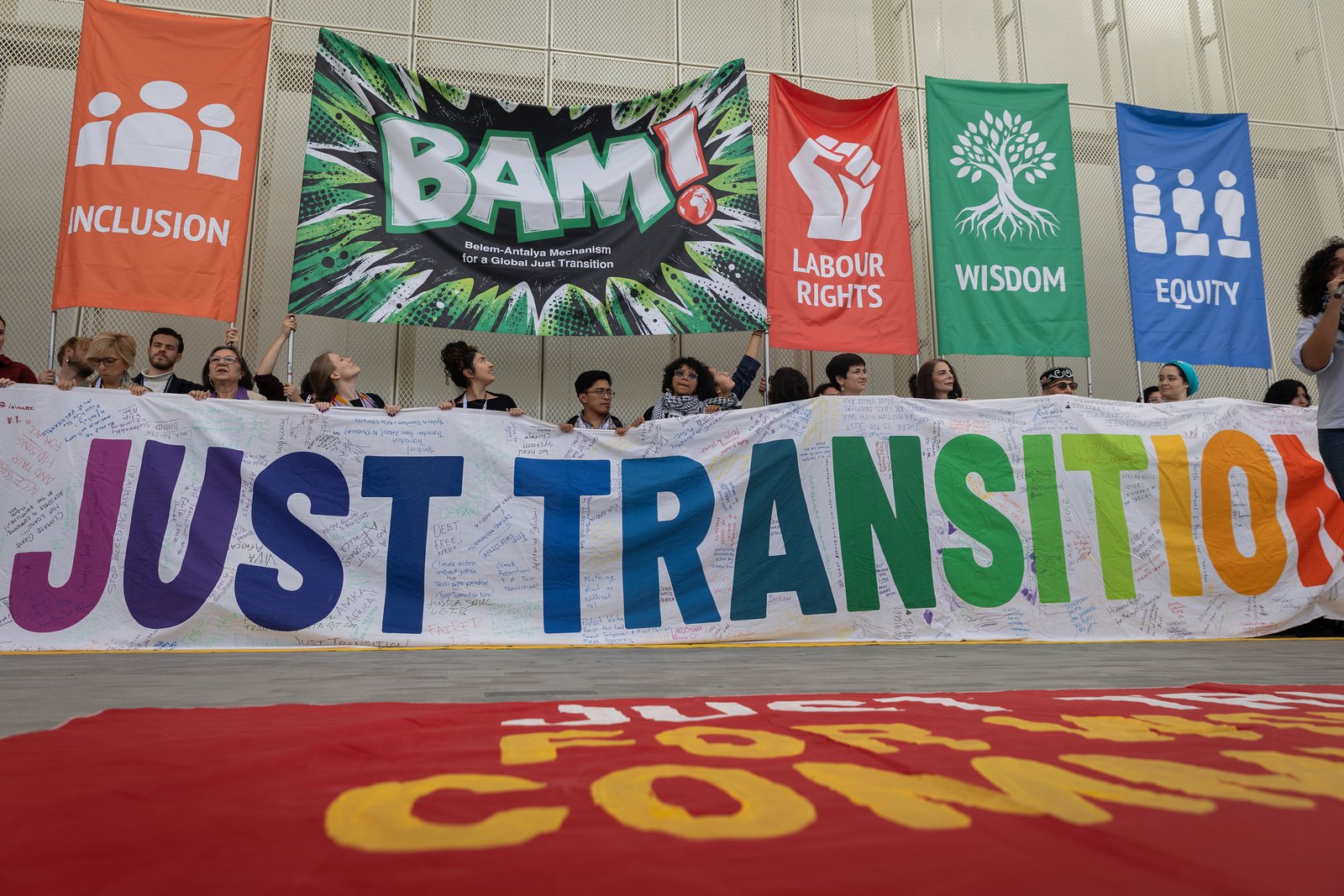
Mollah Amzad Hossain with Afroza Akther Pervin from Antalya, Türkiye
ANTALYA, November 18, 2026 - COP31 negotiations entered a decisive phase on Wednesday, with the Turkish and Australian Presidencies intensifying efforts to narrow differences over climate finance, adaptation, mitigation, just transition and the proposed Cover Decision. Despite progress on several technical agenda items, major political disagreements remain, leaving ministers with only two days to help secure a consensus before the conference is scheduled to close on November 20.
In a mid-week update to heads of delegations, COP31 President Murat Kurum of Türkiye and President of Negotiations Chris Bowen of Australia said 21 mandated agenda items were still awaiting resolution. They urged governments to accelerate negotiations, bridge remaining differences and finalise draft texts.
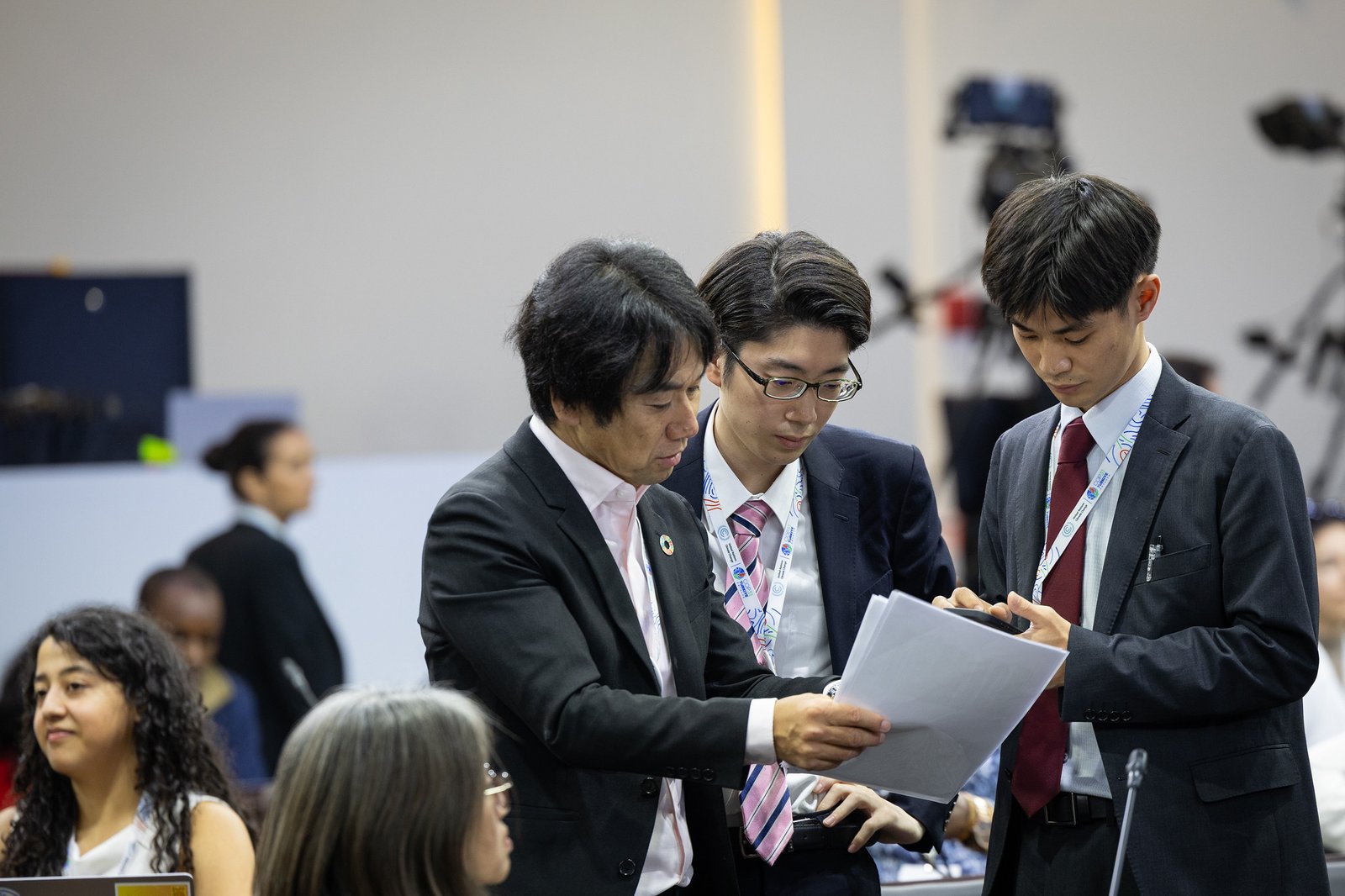
The Presidencies acknowledged substantial progress on a number of issues, including the Climate Technology Center and Network, Action for Climate Empowerment, periodic review of the UNFCCC, the Green Climate Fund, the Global Environment Facility, the Fund for Responding to Loss and Damage, National Adaptation Plans, least developed country matters and Article 6 of the Paris Agreement. Additional negotiating time was allocated on Wednesday to advance these issues.
However, progress on technical matters has not translated into agreement on several politically sensitive questions. The Presidencies said further political engagement would be required on just transition, adaptation, finance, mitigation and response measures.
Finance remains a major fault line
Climate finance continued to expose divisions between developed and developing countries. During discussions on the Climate Finance Work Program, the European Union declined to engage on a draft prepared by the co-facilitators. This prompted G77 and China to call for a suspension of further talks while seeking guidance from their heads of delegation.
The central disagreement concerns the scope of the program. Developing countries want the discussion to focus on Article 9.1 of the Paris Agreement, which sets out developed countries’ obligation to provide financial resources to developing countries. The EU and other developed countries favour addressing Article 9 as a whole, a position that developing countries fear could dilute attention to the specific financial obligations under Article 9.1.
Adaptation finance is another unresolved issue. Developing countries are seeking predictable, accessible and largely grant-based support to address escalating climate impacts. Campaigners criticised the limited new pledges to the Adaptation Fund, including a reported contribution of only US$50 million, compared with US$135 million the previous year. They argue that the scale of support remains far below the needs of vulnerable countries.
Cover Decision faces resistance
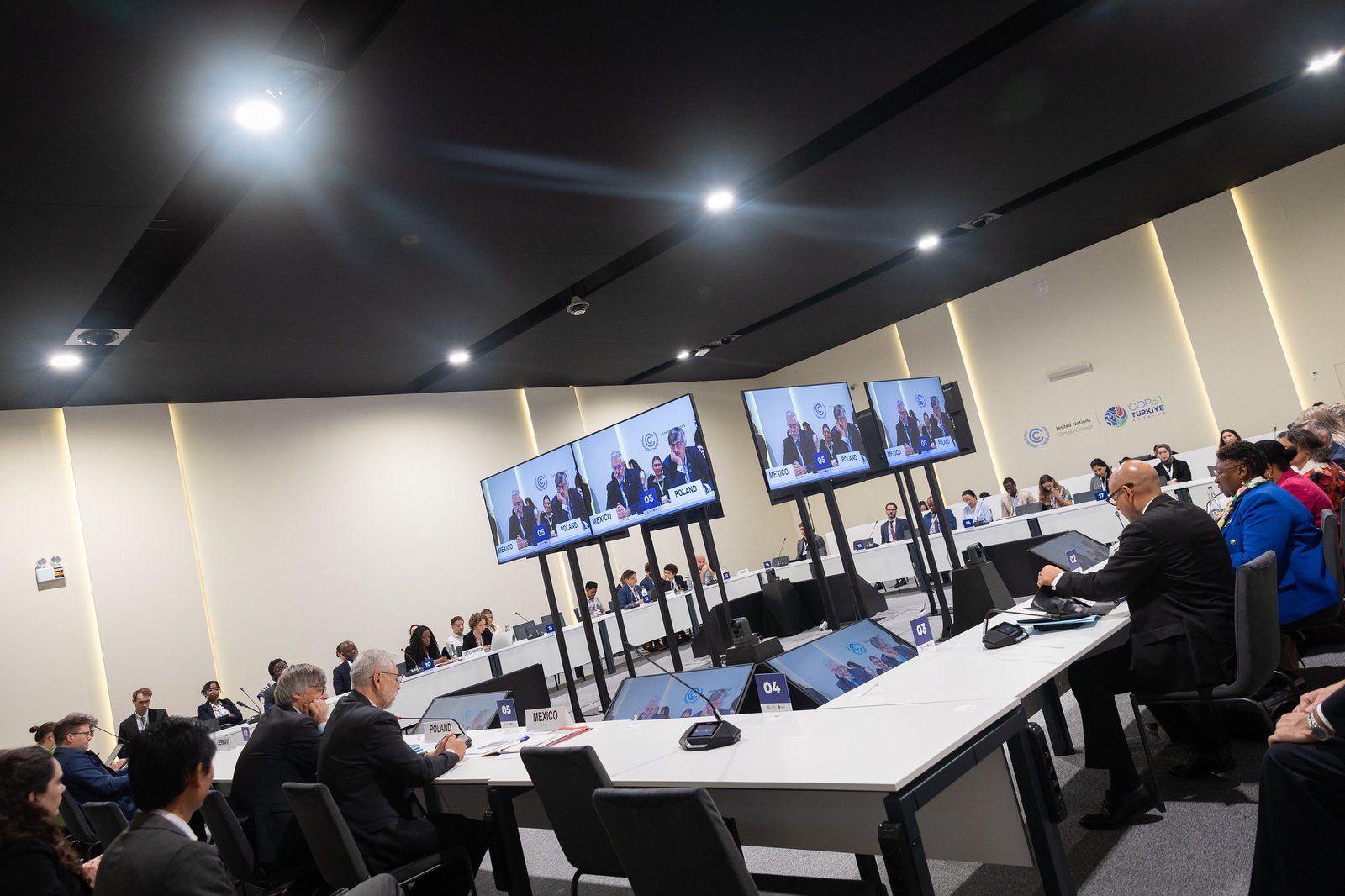
The proposed Cover Decision has become one of the most contentious issues at COP31. The 19-page draft released by the Presidencies on November 16 covers a wide range of subjects, including historical responsibility, the 1.5°C temperature goal, electrification, methane emissions, fossil fuel transition, adaptation finance and just transition.
Several parties have questioned both its content and the process through which it was prepared. The Arab Group and Russia have reportedly rejected the draft in its present form. Other governments have raised concerns about references to historical responsibility, evolving national capabilities, fossil fuel transition and proposals to increase the share of electricity in final energy consumption.
The Presidencies have promised a revised draft after further consultations. Their November 18 update said a new version would be released for parties’ consideration as soon as possible, with draft texts on outstanding matters expected early Thursday.
A ministerial-level informal discussion, known as the “Divan”, was scheduled for Wednesday evening from 5pm to 7pm. Chaired by COP President Murat Kurum, the meeting was designed to allow ministers to speak directly to one another, identify possible common ground and explain what would be needed to reach agreement.
The Presidencies said the discussion would help combine the work of ministerial pairs, political consultations and technical negotiations into a balanced package. However, no final agreement on the Cover Decision had been announced by Wednesday evening.
Civil society warns against weak outcomes
Civil society groups and climate campaigners have expressed growing frustration over the slow pace of negotiations. They have criticised wealthy countries for failing to offer substantial new climate finance, particularly for adaptation, while vulnerable communities face increasing losses from climate impacts.
Campaigners also argue that the broad Cover Decision risks distracting governments from delivering concrete outcomes under the formal negotiating agenda. They want stronger progress on a just transition mechanism, mitigation and financial support for developing countries.
The debate over fossil fuel transition has also intensified. Supporters of stronger language argue that COP31 must reinforce the commitment to move away from fossil fuels in a just, orderly and equitable manner. Others remain concerned about national circumstances, energy security and the implications of prescriptive language.
Stiell calls for ambition and participation
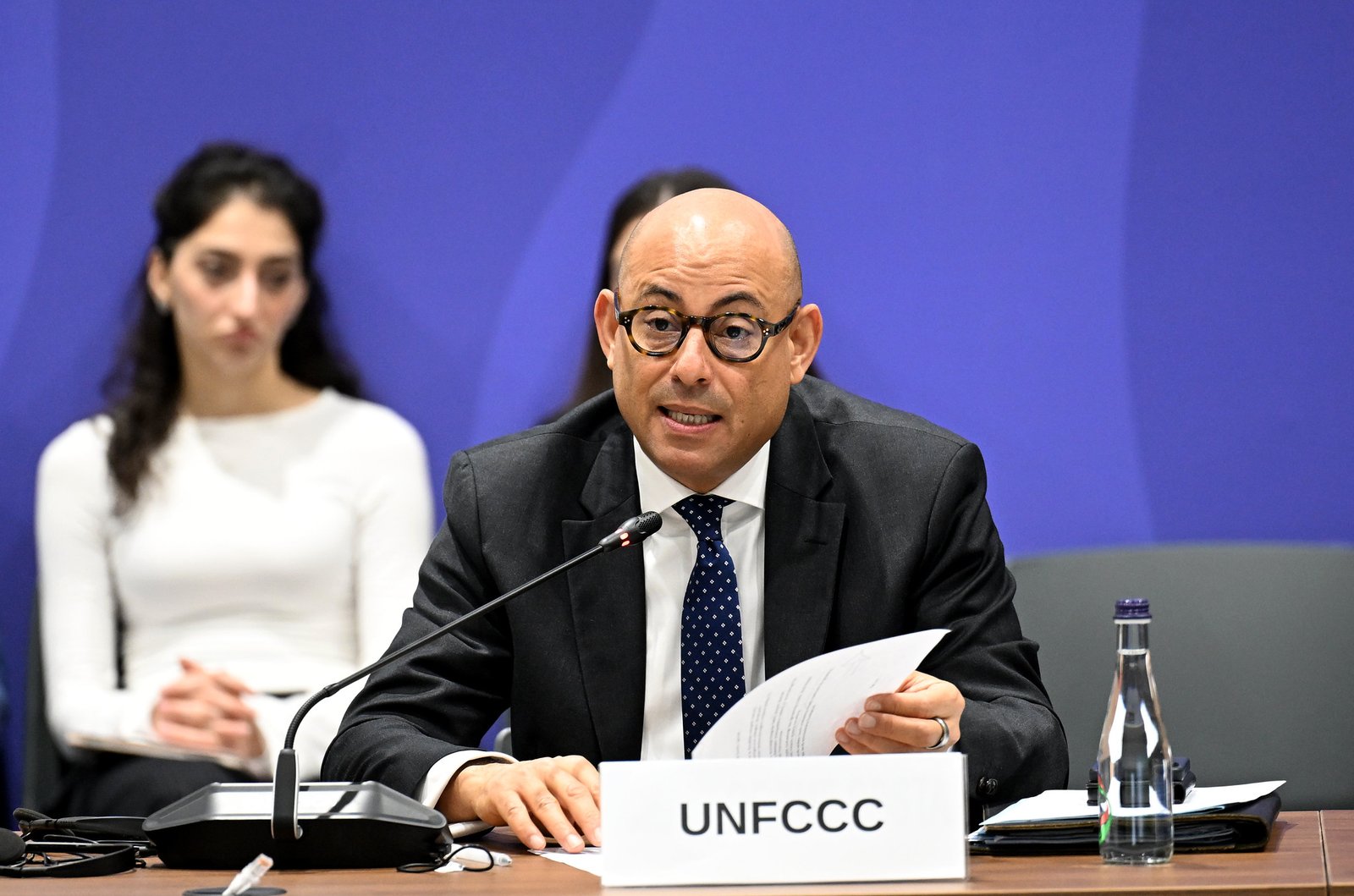
Speaking at the launch of the second Global Stocktake on Wednesday, UN Climate Change Executive Secretary Simon Stiell said the process offered a major opportunity to assess what had worked, identify gaps and establish the next steps for global climate action.
“An ambitious outcome is within reach,” Stiell said, while acknowledging the difficult geopolitical environment. He urged countries to deliver existing targets, strengthen the evidence base and ensure participation by governments, businesses, Indigenous Peoples, local communities and civil society.
The second Global Stocktake will run through COP33 in 2028, beginning with information collection and preparation, followed by a technical assessment from 2027. It is intended to assess collective progress towards the Paris Agreement’s goals and inform future climate action.
With only Thursday and Friday remaining, COP31’s outcome will depend on whether ministers can narrow the political differences and turn technical progress into consensus decisions. The Presidencies face the challenge of producing a balanced package that addresses the concerns of vulnerable countries without losing the support required for agreement by all parties.