EP Desk
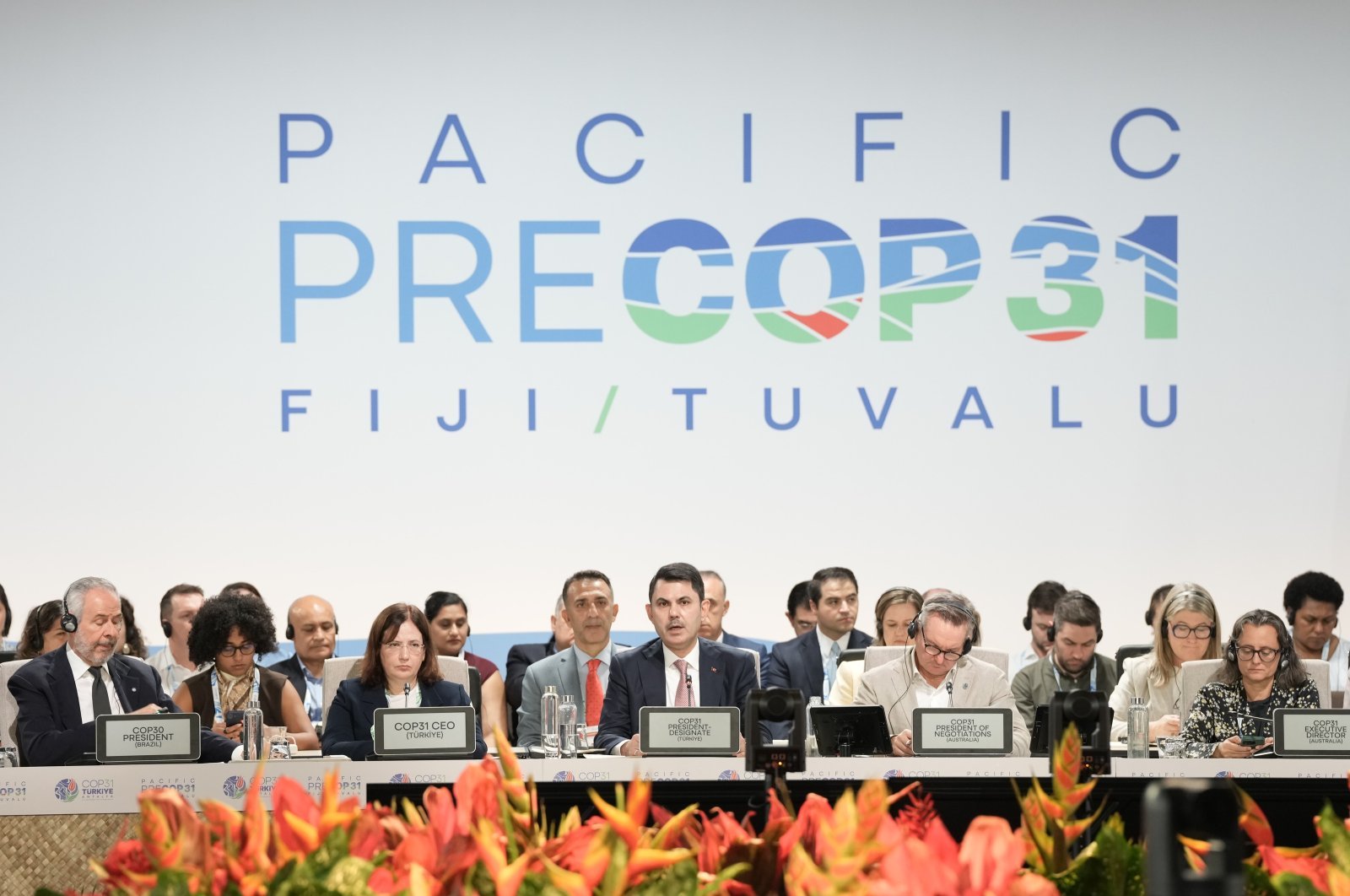
Nadi, Fiji, 7 October 2026: The third day of the Pacific Pre-COP31 meeting in Fiji produced new climate-finance commitments, stronger calls to keep the 1.5°C goal within reach and a political push to accelerate the transition from fossil fuels to renewable energy, as governments and civil society worked to shape priorities for COP31 in Antalya.
A major outcome was renewed support for the Pacific Resilience Facility (PRF), a Pacific-led financing mechanism designed to channel resources directly towards climate resilience and community needs. Fiji announced a US$10 million contribution, while Denmark pledged US$2.2 million. The PRF is targeting US$500 million, with Pacific governments also contributing to the facility.
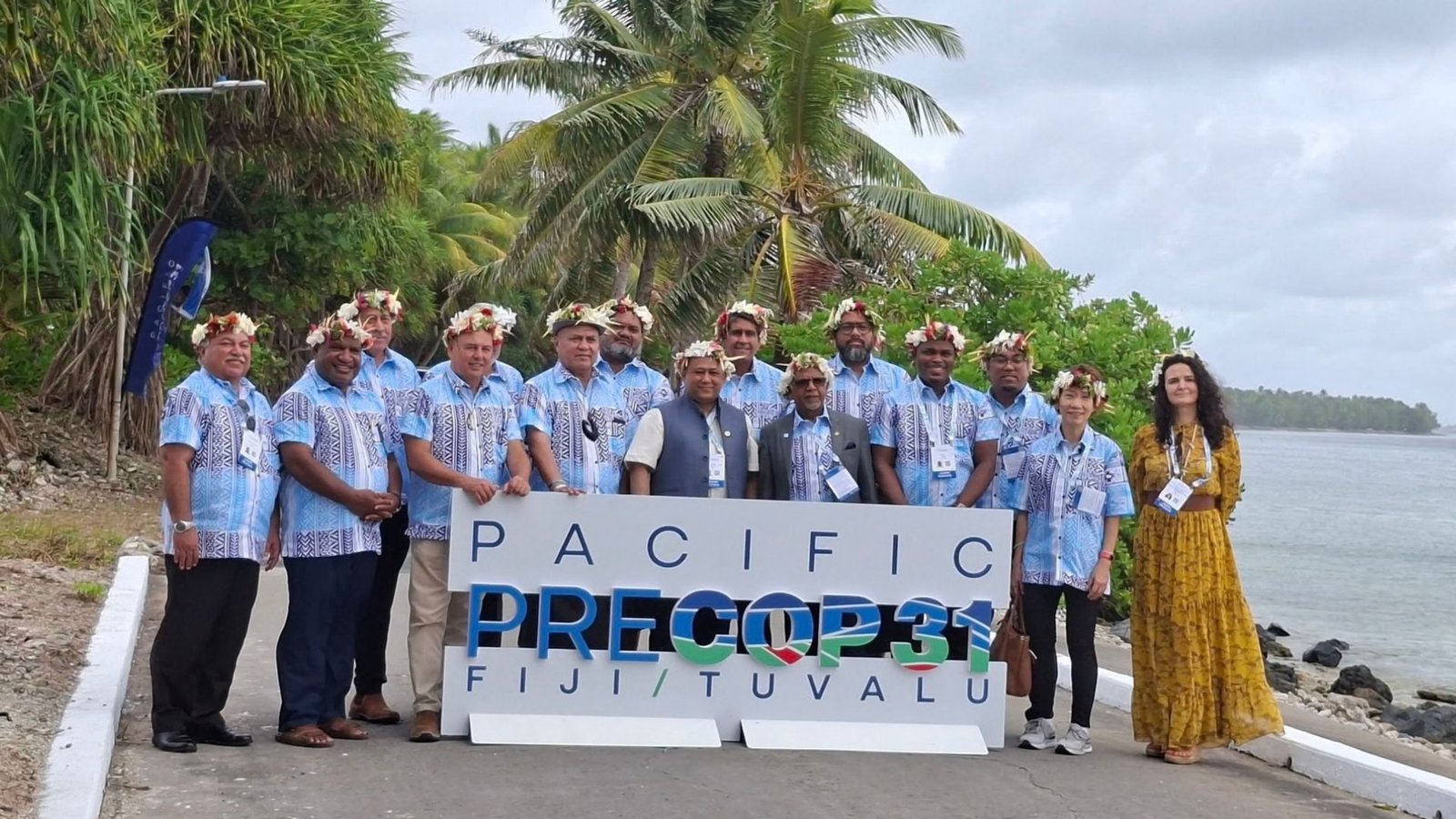
Fiji’s Minister for Environment and Climate Change Lynda Tabuya said the Pacific was not only asking the international community for support but was also contributing its own resources. “We are not just here to ask our partners around the world to help us. We are helping ourselves,” she said.
Australia also announced A$3 million through the Climate Infrastructure for Resilient Coastlines and Riverbanks (CIRCAR) project to strengthen climate resilience in Fiji, Papua New Guinea, Kiribati and Tuvalu. The program will support protection of roads, telecommunications infrastructure and communities through a combination of resilient infrastructure and nature-based solutions, including mangrove planting and revegetation.
The day also consolidated the Pacific’s political message for COP31. Fiji said Pacific countries remained united around three priorities: keeping the 1.5°C limit within reach, improving access to climate finance and putting oceans at the center of global climate action. The Pacific also welcomed the political declaration adopted by leaders, known as Taku Pakasoa, which carries the region’s priorities into the COP31 negotiations.
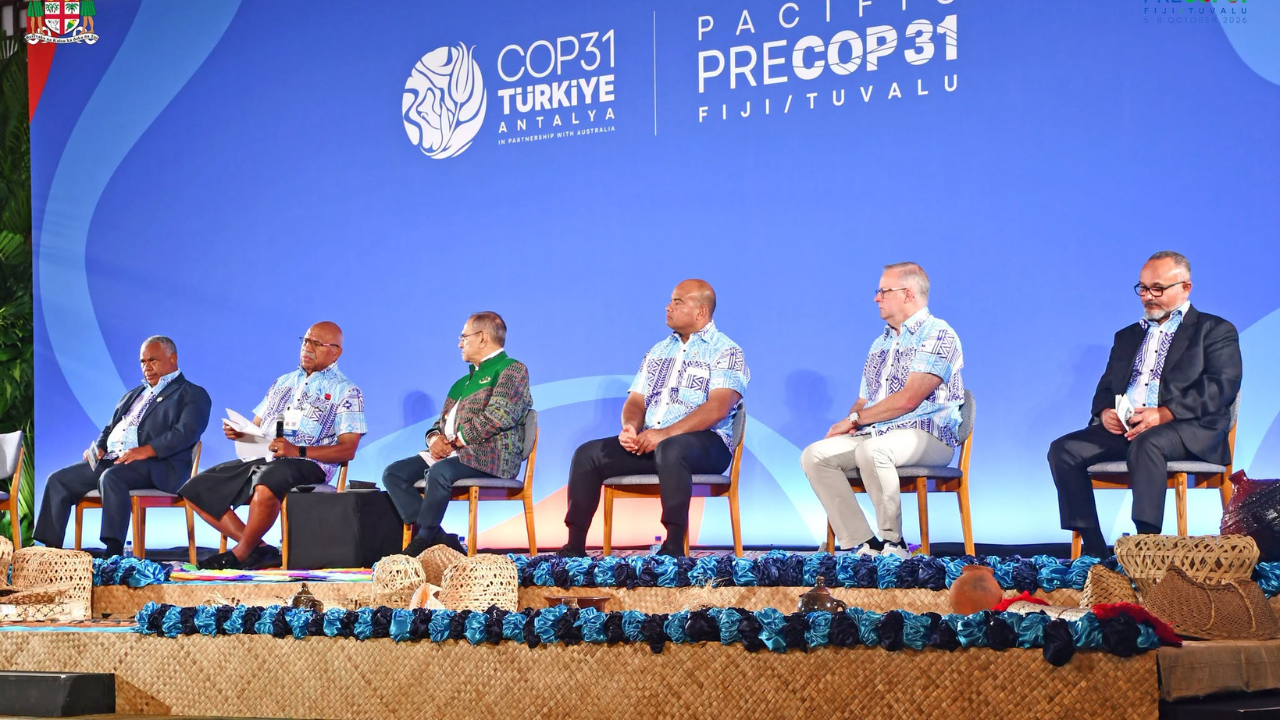
Australian Climate Change and Energy Minister Chris Bowen said the Pre-COP had provided an opportunity to see both the need for emissions reductions and the practical requirements of adaptation and resilience. He said the political statement agreed at the meeting provided a strong basis for COP31 and highlighted the need to continue the transition away from fossil fuels while expanding renewable energy.
India’s Environment Minister Bhupender Yadav called for greater efforts to close gaps between climate science and traditional knowledge, available resources and actual needs, and commitments and implementation. He said countries should fulfil their obligations under the UNFCCC and Paris Agreement “in true letter and spirit” and urged governments to present concrete examples of effective mitigation, large-scale adaptation and delivery of climate finance.
The third day also saw a strong civil-society and stakeholder program. More than 100 sessions were scheduled across the Pre-COP Green Zone, with discussions covering climate finance, grassroots leadership, energy transition, loss and damage, ocean protection, gender and health, renewable energy and community-based adaptation. Among the day’s programs were “Never-Before Voices: Pacific Grassroots Climate Leadership,” “Pacific Loss and Damage: Evidence to Action,” “Funding Communities the Last Mile,” “Powering the Pacific,” and “Connecting Finance to Frontline Communities.”
Civil-society discussions particularly emphasized the gap between climate-finance commitments and the ability of vulnerable communities to access funding. The day’s program also included discussions on Tonga’s NDC 3.0, Pacific energy-transition investment, local flood adaptation and community-led ocean conservation, strengthening the focus on locally driven solutions.
The UN climate process also highlighted the urgency of translating evidence on Pacific loss and damage into action. A dedicated Pre-COP session examined the escalating impacts of cyclones, floods, drought, sea-level rise, coastal erosion, ocean warming and salinization, and their growing economic and social costs for Pacific island countries.
By the end of the third day, Pre-COP31 had therefore moved beyond broad expressions of concern towards a clearer package of political priorities, financial commitments and implementation initiatives. Pacific governments secured additional support for their resilience fund, Australia announced new infrastructure financing, governments reinforced the 1.5°C and renewable-energy agenda, and civil society pressed for finance to reach frontline communities.
These outcomes are expected to feed directly into the final Pre-COP discussions and help shape the negotiating agenda and political expectations for COP31 in Antalya, Türkiye, from 9–20 November 2026.